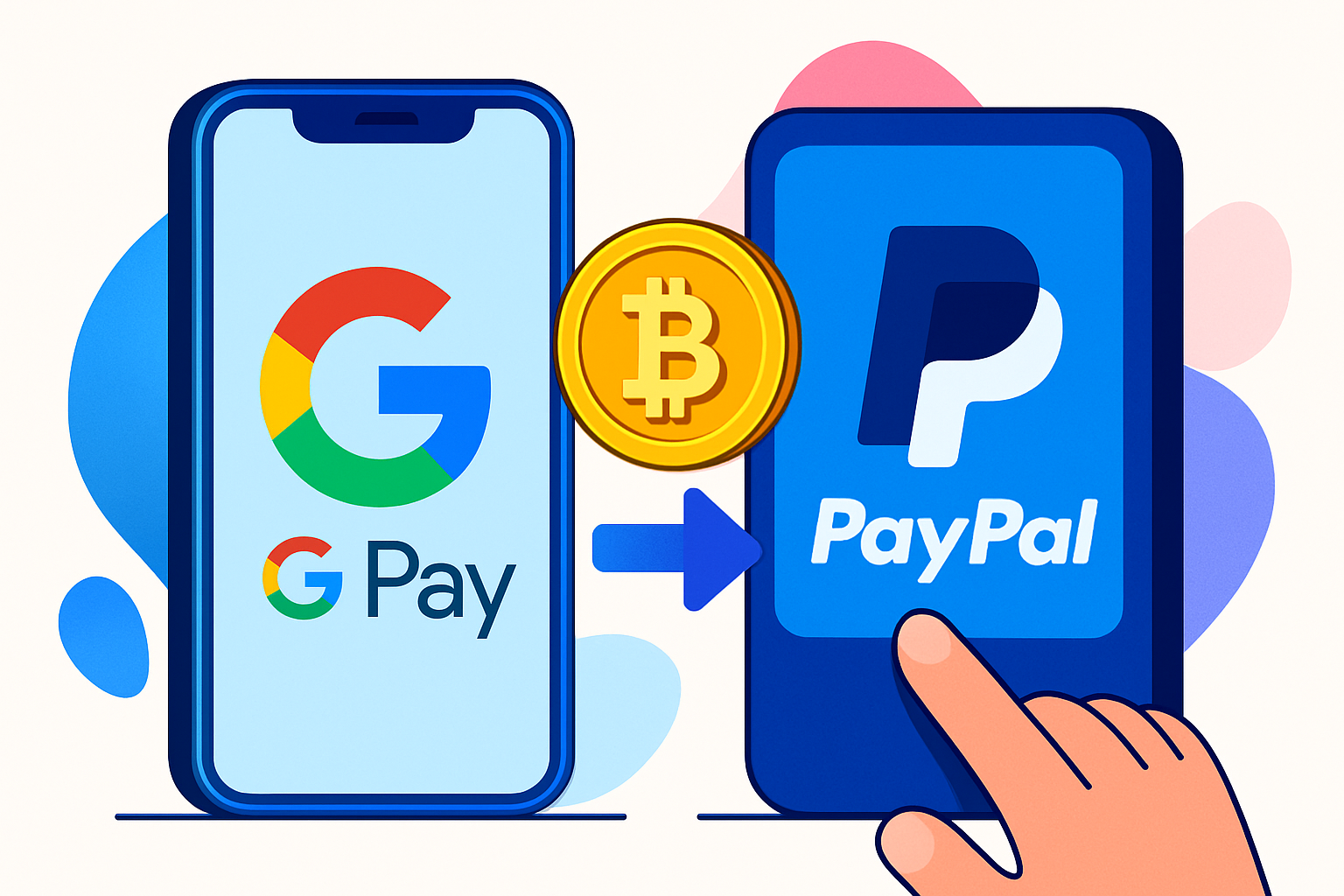
Crypto payments are moving from niche to mainstream, and the landscape is shifting fast. In 2025, both PayPal and Google are making aggressive moves to bring digital assets like Bitcoin and Ethereum to everyday users. But here’s the reality check: despite rumors, there’s no direct PayPal-Google integration for crypto payments as of September 2025. Instead, what we’re seeing is a race between two tech giants, each rolling out their own solutions for secure and easy crypto buying.
PayPal Crypto Payments: Pushing Digital Assets Into Everyday Life
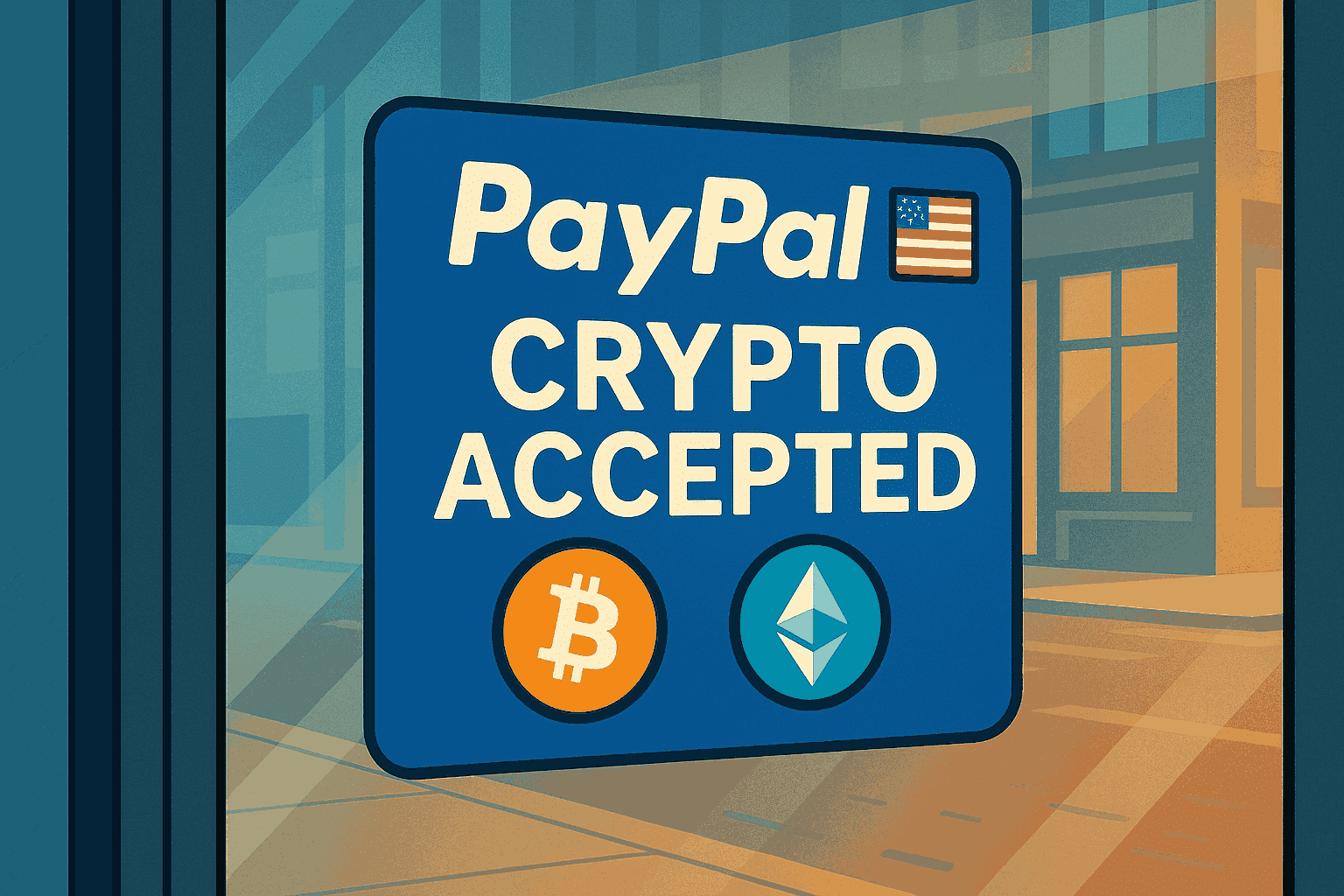
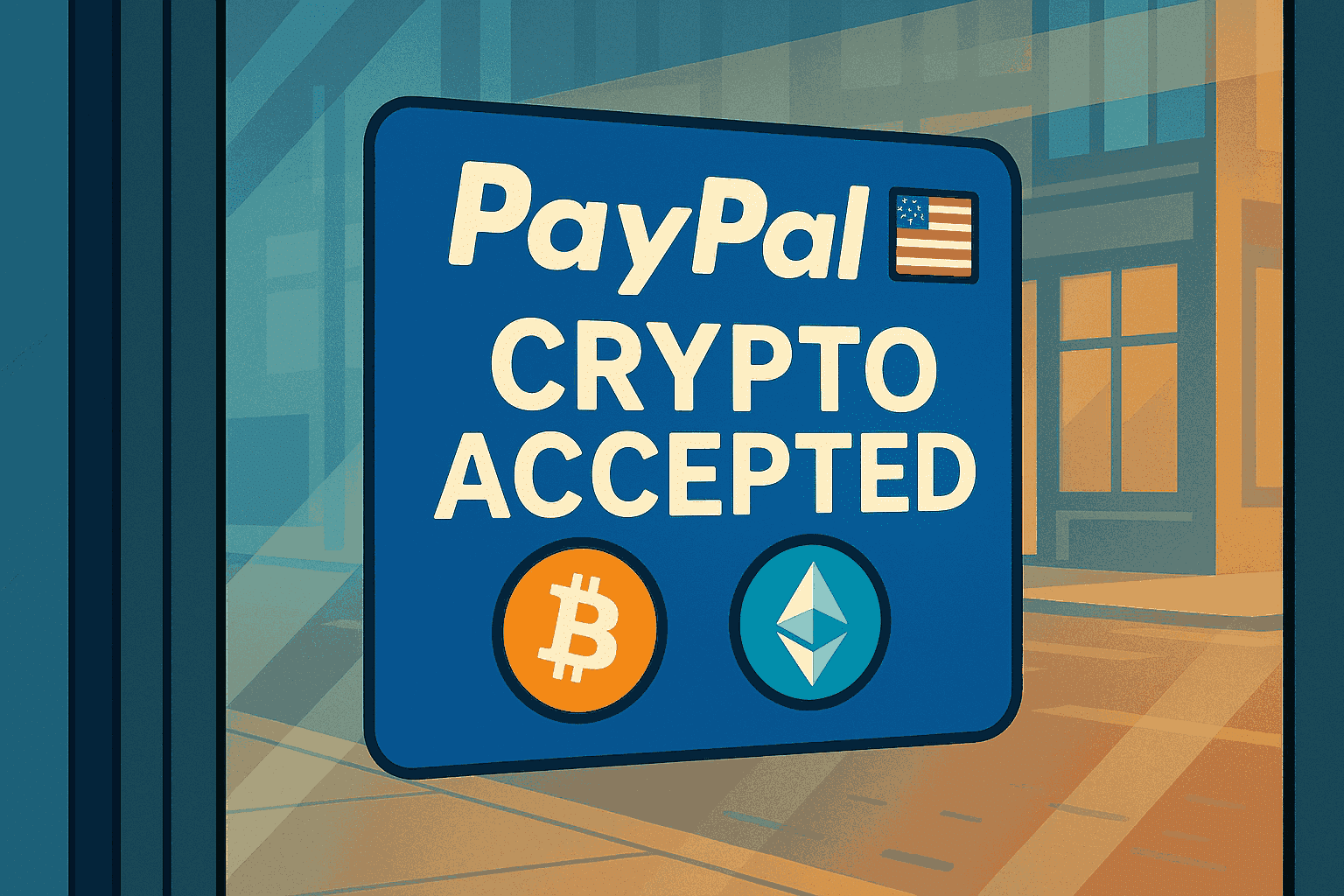
PayPal’s latest features have transformed how Americans interact with crypto. With 'Pay with Crypto, ' U. S. merchants can now accept over 100 cryptocurrencies. The process is frictionless: customers pay in crypto, but merchants get paid in U. S. dollars instantly. This eliminates volatility risk for businesses and slashes cross-border transaction fees.
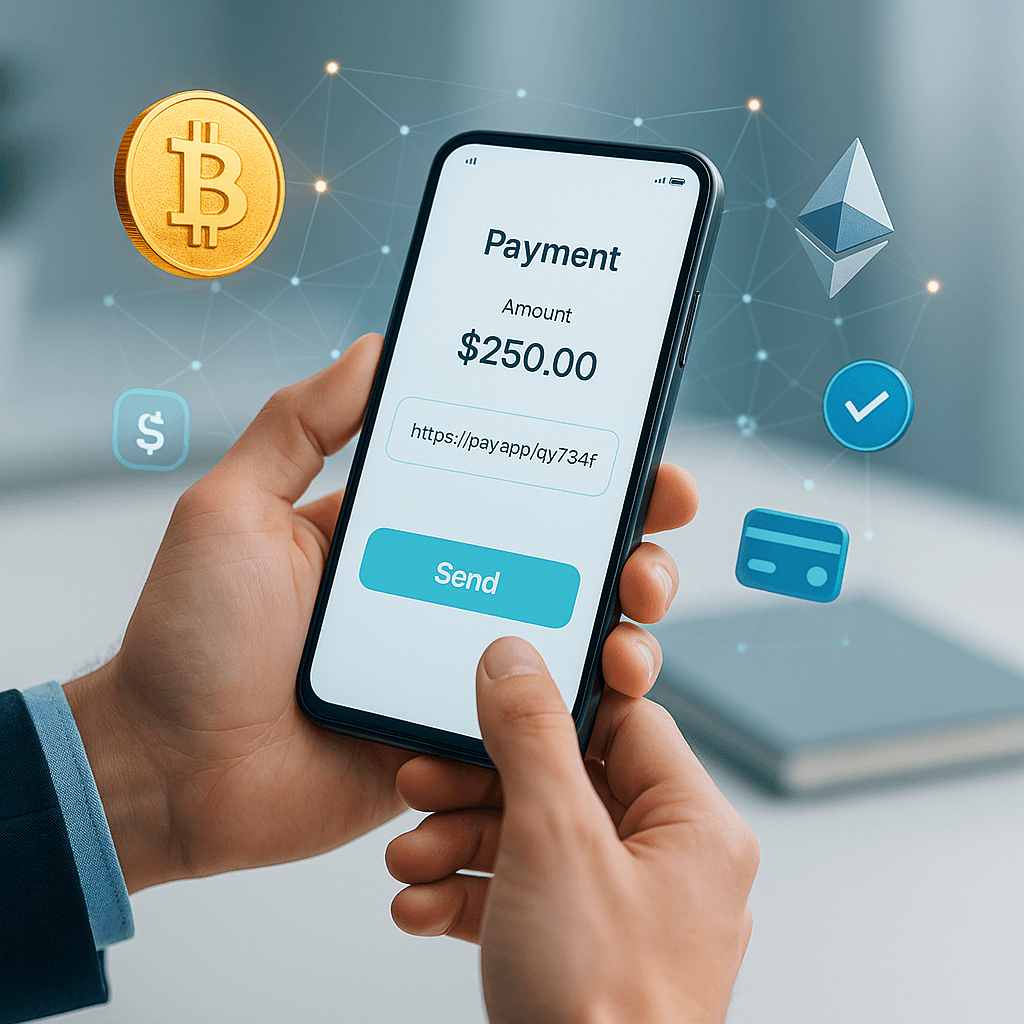
The real kicker? Peer-to-peer (P2P) payments are now native to PayPal’s ecosystem. Users can send Bitcoin, Ethereum, or PYUSD directly to friends or family - not just within PayPal but across Venmo and other compatible wallets. Add in 'PayPal Links, ' which lets you request or send payments via a personalized URL, and you’ve got a system that makes buying cryptocurrency securely as simple as texting.
Google’s Crypto Ambitions: Secure Protocols and Mobile Integration
Meanwhile, Google has doubled down on security-first crypto infrastructure with its Agent Payments Protocol (AP2). AP2 is designed as a universal protocol for stablecoins and cryptocurrencies - think of it as the plumbing that will power future payment apps across Android devices.
The big story this year? Google isn’t integrating directly with PayPal but is instead expanding its reach through other partnerships. For example, Coinbase now works natively with Samsung Pay on Galaxy devices in the U. S. and Canada, letting users buy or spend digital assets straight from their phones (source). Google’s approach is all about embedding crypto into your daily mobile experience while maintaining robust wallet security.
Top Features of PayPal's 2025 Crypto Payment Tools
- Pay with Crypto for Merchants: Merchants in the U.S. can now accept over 100 cryptocurrencies, including Bitcoin and Ethereum, with instant conversion to U.S. dollars. This reduces transaction fees and settlement times, making cross-border payments faster and more cost-effective.
- Peer-to-Peer Crypto Transfers: U.S. users can send Bitcoin, Ethereum, and PYUSD directly to other PayPal, Venmo, and compatible wallet users, enabling seamless and secure P2P payments within the PayPal ecosystem.
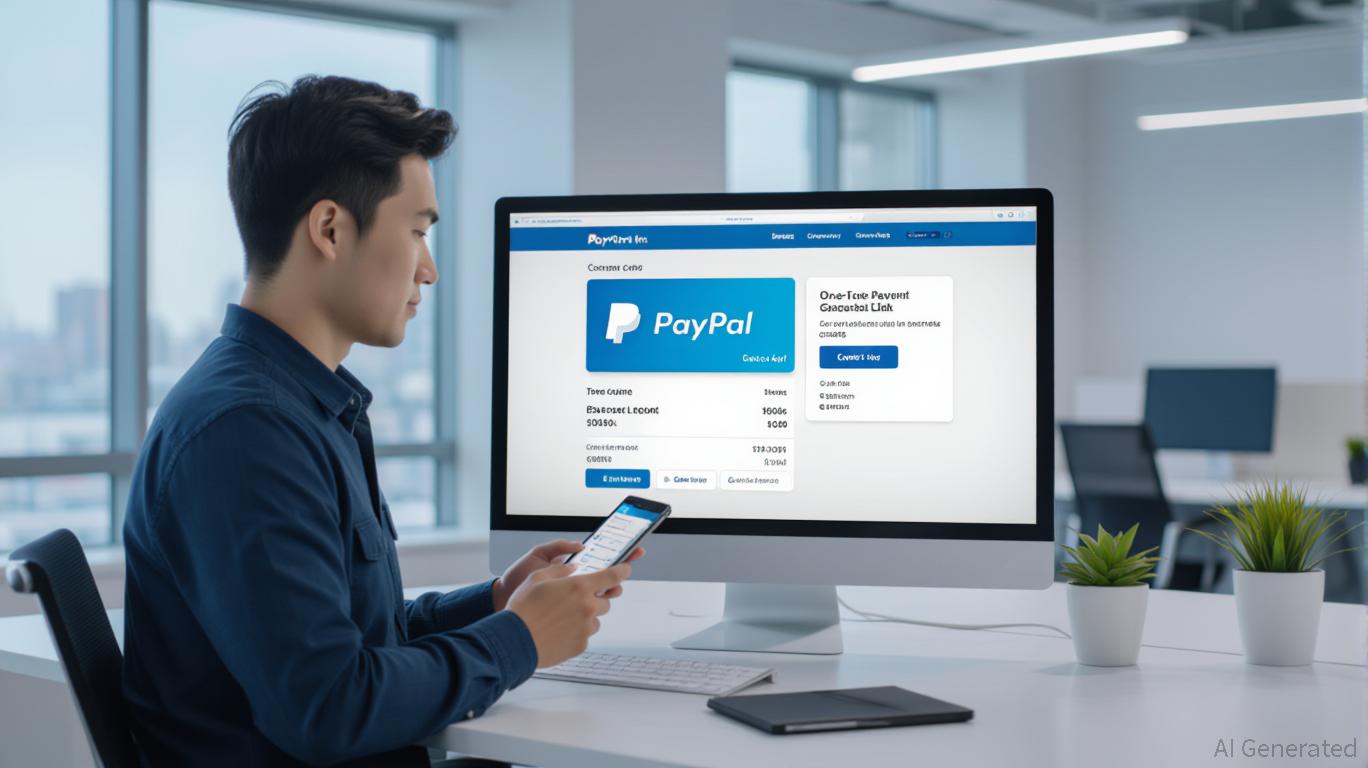
- PayPal Links for Crypto Payments: Users can generate personalized, secure payment links—PayPal Links—to send or request crypto payments instantly, integrating digital currency transactions into everyday communications.
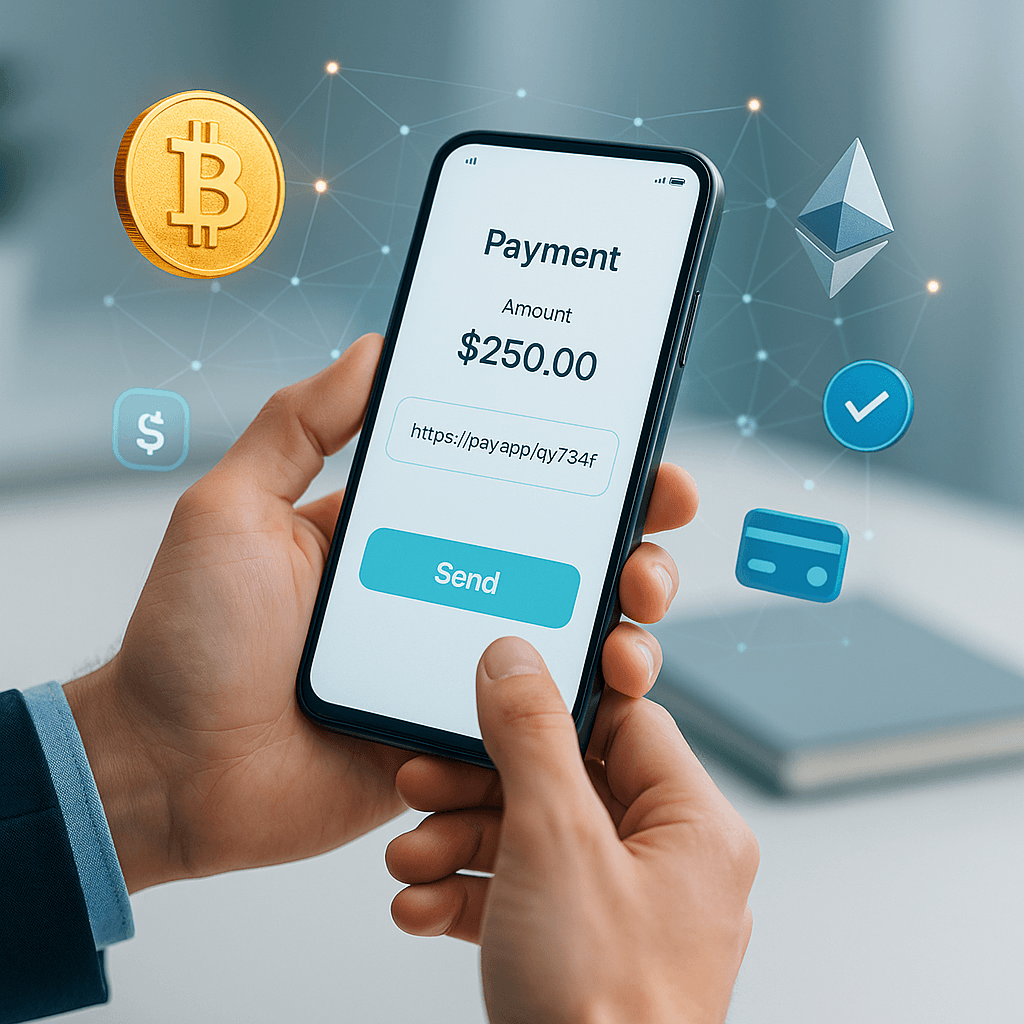
- Integrated Cryptocurrency Wallet: The PayPal app allows users to buy, sell, transfer, and hold cryptocurrencies, with enhanced security measures to prevent unauthorized transfers and protect digital assets.
- Stablecoin Support with PYUSD: PayPal’s own stablecoin, PYUSD, is fully integrated for payments and transfers, offering users a stable digital asset option alongside major cryptocurrencies.
Why Secure and Easy Crypto Buying Matters More Than Ever
The competition between these platforms isn’t just about convenience - it’s about trust and adoption at scale. As more users buy cryptocurrency securely through familiar apps like PayPal or mobile wallets powered by Google protocols, barriers to entry keep falling away.
Security remains the top concern. Both companies are investing heavily in fraud prevention and unauthorized transfer protection. For example, PayPal promises strong safeguards against unauthorized activity (details here). On the Google side, AP2 aims to set new standards for secure digital asset movement across platforms.
But let’s get practical. For users, the real value is in how these features translate into faster, safer, and more flexible ways to transact. Whether you’re a business owner accepting stablecoin payments or a casual trader sending Bitcoin to friends, the friction of old-school exchanges is rapidly fading away.
It’s also worth noting that stablecoin payments adoption has exploded thanks to these innovations. Merchants can now tap into a global $3 and trillion crypto market without worrying about price swings or settlement delays. The instant conversion to fiat through PayPal’s backend means businesses get paid what they expect, no surprises, no volatility headaches.
What This Means for Crypto Buyers in 2025
If you’re looking to buy cryptocurrency securely and with minimal hassle in 2025, here’s where things stand:
PayPal vs Google/Samsung/Coinbase: Crypto Buying in 2025
- PayPal: All-in-One Crypto PlatformPayPal offers a comprehensive crypto experience, letting users buy, sell, hold, and transfer major cryptocurrencies like Bitcoin, Ethereum, and PYUSD directly within its app. With features like Pay with Crypto for merchants, seamless P2P transfers (including via Venmo), and PayPal Links for instant crypto payments, PayPal is focused on mainstream adoption and ease of use.
- Google/Samsung/Coinbase: Integrated Mobile Crypto PaymentsWhile Google Wallet no longer supports PayPal integration, Samsung Pay and Coinbase now offer a streamlined solution for crypto users. In the U.S. and Canada, Galaxy device owners can buy, manage, and spend cryptocurrencies directly via Samsung Pay, powered by Coinbase. This approach emphasizes mobile-first convenience and leverages Coinbase's established security.

- Security and Trust: Universal Protocols vs. Ecosystem ControlPayPal relies on its proprietary security systems and user protections, including fraud prevention and account monitoring. Google, meanwhile, is advancing open standards like the Agent Payments Protocol (AP2) to enable secure, universal crypto payments across multiple platforms and services, aiming for broader interoperability.
- Merchant Acceptance: Direct Crypto-to-Fiat ConversionPayPal enables merchants to accept over 100 cryptocurrencies with instant conversion to U.S. dollars, reducing settlement times and cross-border fees. This helps businesses tap into the global crypto market without handling digital assets directly. By contrast, Samsung Pay and Coinbase focus more on consumer-side spending than on merchant crypto acceptance.
PayPal is your all-in-one solution if you want seamless integration with existing payment habits. You can buy, hold, send, and spend crypto without leaving the app, and P2P transfers are as simple as sharing a link or scanning a QR code.
Google’s ecosystem, on the other hand, leverages partnerships like the one with Coinbase and Samsung Pay. This approach gives Android users direct access to digital assets within their mobile wallets, perfect for those who want flexibility across multiple platforms but still demand robust wallet security.
The bottom line? Easy crypto buying in 2025 isn’t just about fewer clicks, it’s about layered security, instant settlement, and choice of platform. Users are no longer forced to choose between convenience and safety; both are now baked into the experience.
The Road Ahead: Mainstream Adoption Without Compromise
Expect this arms race between tech giants to accelerate. As regulations evolve and user expectations rise, platforms will compete on usability and security above all else. For anyone still sitting on the sidelines worried about how to buy cryptocurrency securely, or skeptical about stablecoin payments adoption, the message from 2025 is clear: mainstream tools now make it easier than ever.
Keep your eyes open for new integrations (even if a direct PayPal-Google partnership isn’t here yet). The infrastructure being built today will define how effortlessly we move value tomorrow, whether you’re spending Bitcoin at checkout or sending USDC across borders in seconds.


No comments yet. Be the first to share your thoughts!