

Ledger's rumored US IPO in 2026, targeting a valuation north of $4 billion, signals a maturing crypto infrastructure play amid escalating security threats. As hackers drain billions from exchanges and hot wallets, investors are flocking to hardware solutions like Ledger's Nano series for self-custody. This Paris-based firm, now partnering with Goldman Sachs, Jefferies, and Barclays, aims to convert its stronghold in secure crypto wallets into Wall Street capital, even as past data breaches cast long shadows.
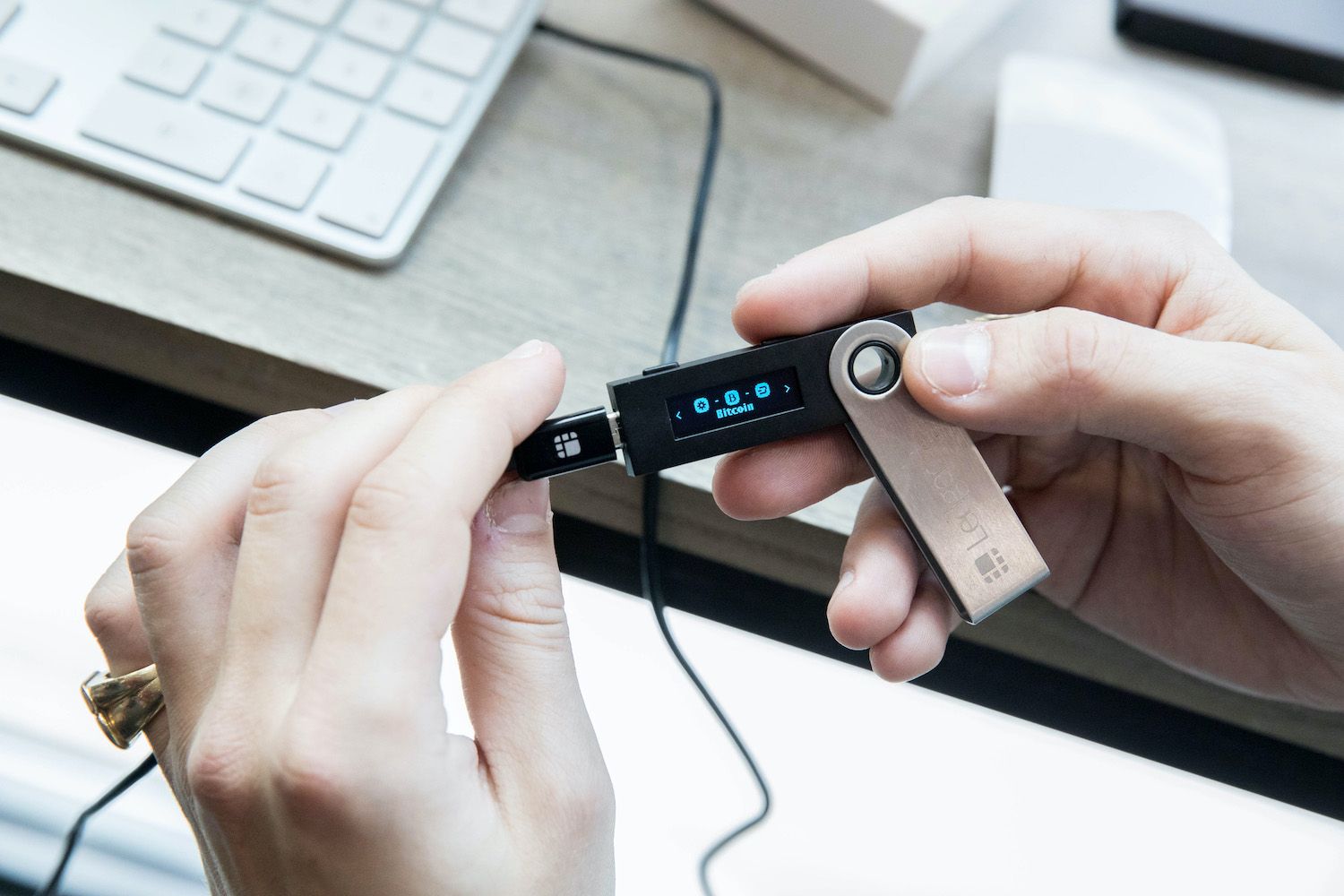
The timing feels strategic. With 2025 revenues hitting hundreds of millions, Ledger rides a wave of institutional demand for reliable crypto storage 2026. BitGo's recent NYSE debut at nearly $2 billion underscores the appetite for custody providers. Yet, critics point to Ledger's history of vulnerabilities, questioning if the hardware wallet giant can scale trust alongside its ambitions.
Ledger's Valuation Surge: From $1.5 Billion to IPO Glory
Valued at $1.5 billion in 2023, Ledger's trajectory reflects crypto's rebound and the premium on security. Record sales of devices like the Nano X, designed for seamless Bitcoin and altcoin storage, fueled this growth. Banks like Goldman Sachs aren't just advisors; they're validators of Ledger's recurring revenue model, blending one-time hardware sales with software subscriptions and enterprise services.
Pragmatically, this IPO could fund R and amp;D to fortify defenses post-breaches. Investors eyeing Ledger IPO 2026 should weigh the upside: a defensible moat in a market where 2025 hacks exceeded $3 billion in losses. Hardware wallets offer cold storage isolation from online threats, making Ledger a pragmatic bet for long-term holders.
Self-Custody Boom Drives Demand for Hardware Wallets
In an era of rampant exchange failures, the mantra "not your keys, not your coins" has never rung truer. Ledger's devices enable users to buy Bitcoin hardware wallet integrations effortlessly, pairing with apps for direct purchases via bank transfers or cards. This ease, combined with air-gapped signing, positions Ledger as essential infrastructure.
Institutional players, from hedge funds to family offices, demand audited custody. Ledger's enterprise offerings, like Ledger Vault, cater here, promising scalability without sacrificing security. Strategically, the IPO funds global expansion, targeting underserved markets where mobile-first users seek plug-and-play solutions.
Confronting Ledger Security Breaches: Risks and Remedies
No discussion of Ledger security breaches skips the 2020 incident, where customer data leaked, or the Nano X battery glitches reported by users. Critics, amplified on platforms like AMBCrypto, argue these expose systemic flaws. Battery failures disrupted devices, while the breach fueled phishing attacks, eroding confidence.
Yet, Ledger responded with Recover, a shamir secret sharing service, and enhanced firmware. Pragmatically, hardware wallets remain superior to software alternatives; breaches stemmed from ecosystem leaks, not core chip compromises. As IPO scrutiny intensifies, Ledger must demonstrate breach-proof evolution, perhaps via third-party audits showcased in S-1 filings.

Balancing risks, the $4 billion target assumes Ledger converts skepticism into loyalty. For retail investors, buying pre-IPO shares via platforms or post-listing dips offers exposure to crypto's security backbone. Institutions, eyeing Goldman-backed deals, signal conviction in Ledger's pivot from gadget maker to custody powerhouse.
Strategic investors recognize this pivot as a hedge against volatility. Ledger's blend of hardware and software creates sticky revenue, with subscriptions offsetting device commoditization. As crypto storage 2026 evolves toward enterprise-grade solutions, Ledger's IPO positions it to capture market share from fragmented competitors.
Strategic Plays for Ledger IPO Investors
Approaching Ledger IPO 2026 demands pragmatism. Retail traders might target post-IPO corrections, where hype fades and fundamentals shine. Valuation at over $4 billion implies a forward multiple on projected revenues exceeding $500 million annually, assuming 30% growth from 2025 peaks. Diversify exposure: allocate 5-10% of a crypto portfolio to infrastructure like Ledger, balancing high-beta plays such as memecoins.
Institutions leverage Goldman Sachs' involvement for stability. Pre-IPO rounds via secondary markets offer early entry, but demand due diligence on S-1 disclosures. Key metrics to watch include customer acquisition costs versus lifetime value, and churn rates post-breaches. Ledger's edge lies in network effects; millions of devices create data for threat intelligence, fortifying the ecosystem.
Beyond stocks, integrate Ledger devices into personal strategies. Pairing a Nano X with on-ramps like MoonPay simplifies buy Bitcoin hardware wallet flows, securing purchases instantly. This self-custody loop reduces counterparty risk, aligning with the IPO narrative of empowered users.
Post-Breaches Resilience: Ledger's Path Forward
Ledger's critics fixate on history, but strategic evolution defines futures. The 2020 breach exposed emails, not seeds; subsequent zero-knowledge proofs and hardware attestation layers minimize repeats. Battery issues in early Nano X batches prompted recalls and upgrades, with newer models boasting lithium-thionyl chloride cells for longevity.
Opinionated take: hardware wallets outperform multisig software in usability for non-experts. Ledger's app suite streamlines portfolio tracking across chains, from Bitcoin to Solana. As hacks surge, with $3.7 billion lost in 2025 per Chainalysis estimates, demand for secure crypto wallet standards accelerates. Ledger's IPO war chest could fund quantum-resistant chips, future-proofing against emerging threats.
Regulatory tailwinds aid this trajectory. U. S. clarity post-2024 elections favors compliant custodians. Ledger's Paris roots plus U. S. listing bridge Europe-America divides, tapping ETF inflows needing offline storage. Competitors like Trezor lag in enterprise scale; Ledger Vault's MPC tech serves banks directly, generating high-margin fees.
For pragmatic builders, Ledger embodies crypto's maturation. Retail users gain easy entry to self-custody, buying assets via integrated ramps without exposing keys. Institutions secure billions off-exchange. The $4 billion IPO aspiration, backed by Barclays and Jefferies, validates this dual appeal. In a market prioritizing resilience over speculation, Ledger carves a defensible niche, rewarding patient capital with compounded returns.


No comments yet. Be the first to share your thoughts!