

Bitcoin's price sits at $68,523.00 today, nursing a 0.95% dip over the last 24 hours after testing $69,999.00 highs and scraping lows near $68,094.00. This pullback coincides with a hefty $360 million net outflow from U. S. spot Bitcoin ETFs over the past week, the fourth straight week of redemptions. BlackRock's iShares Bitcoin Trust (IBIT) bore the brunt at $234.8 million out, with Fidelity's FBTC close behind at $124.7 million. Smaller ETFs like BITB, ARKB, BTCO, and GBTC joined the exodus, though a few minnows such as EZBC and BRRR saw minor inflows. Amid whispers of a 2026 crash, these flows have spooked retail holders, but let's dissect whether this signals doom or just institutional housekeeping.
Unpacking the $360 Million ETF Outflows: Panic or Profit-Taking?
Institutional caution rules the roost right now. The week's $360 million drain caps four consecutive outflows, painting a picture of jittery whales pulling back amid Bitcoin's volatility. IBIT's dominance in this retreat isn't surprising; it's the ETF behemoth, and its $234.8 million redemption underscores broader sector nerves. Yet, zoom out: over three months, IBIT has weathered $2.8 billion in net outflows without BTC cratering into oblivion. On the crash day, spot ETFs collectively bled $410.4 million, pushing weekly losses past $375 million. Broad-based selling hit nearly every major player, but outliers like Grayscale's BTC eked out gains.
This isn't blind panic. Sources point to hedging pressures tied to IBIT options activity, where record put volume dominated amid the sell-off to $60,000 levels earlier. Arthur Hayes of BitMEX fame pins much of the blame on BlackRock's ETF mechanics amplifying downside via derivatives hedging. BlackRock's own digital assets head warns of leverage-fueled swings on crypto platforms eroding Bitcoin's hedge status. Still, IBIT shows "stronger hands" than peers, defying volatility better than most. Outflows sting, but they don't erase the $18 billion-plus amassed since ETF launches; they're more rotation than rout.
Bitcoin's 2026 Volatility: Leverage, Hedging, and the Real Crash Catalysts
The narrative around a "2026 crash" gained steam as BTC tumbled from $70,000 peaks, with ETF flows as the scapegoat. But dig deeper: rampant speculation on derivatives platforms, not ETF creations alone, stokes the fire. BlackRock noted leverage-driven volatility risks Bitcoin's safe-haven aura, especially with options interest piling up on IBIT. During the sharp drop, modest IBIT inflows even surfaced on February 3 amid $272 million sector-wide exits, hinting at selective buying beneath the surface.
Blame games rage. Hayes argues IBIT hedging cascades into spot selling, creating a feedback loop. PANews questions if IBIT deserves the villain tag, noting its net redemptions were tame relative to assets under management. Weekly data from KuCoin flags February 12's $410.37 million pullout as peak pain, yet Bitcoin stabilized above $68,000. TradingKey highlights IBIT's resilience, leading inflows in quieter spells. Benzinga ties the $60,000 plunge to ETF put frenzy. My take? Volatility is crypto's middle name in bull cycles; these outflows reflect deleveraging, not demand death. Institutions aren't fleeing; they're fine-tuning amid macro whispers of recession risks tied to crypto contagion.
At $68,523.00, BTC hovers in a stress-test zone. Realized prices linger higher, around $79,300 for ETF holders, suggesting room before capitulation. Cooling institutional demand shows in December-like patterns, but ETH ETF inflows signal capital shifts, not abandonment. The dip feels brutal, yet history favors buyers who sidestep herd sells.
Bitcoin (BTC) Price Prediction 2027-2032
Year-End Forecasts Amid 2026 ETF Outflows, Volatility, and Halving Cycles
| Year | Minimum Price | Average Price | Maximum Price | Est. YoY % Change (Avg) |
|---|---|---|---|---|
| 2027 | $75,000 | $110,000 | $160,000 | +16% (from 2026 $95K base) |
| 2028 | $140,000 | $250,000 | $400,000 | +127% |
| 2029 | $220,000 | $450,000 | $800,000 | +80% |
| 2030 | $350,000 | $650,000 | $1,200,000 | +44% |
| 2031 | $500,000 | $900,000 | $1,600,000 | +38% |
| 2032 | $700,000 | $1,300,000 | $2,200,000 | +44% |
Price Prediction Summary
Following 2026's ETF outflows and price dip to around $68K, Bitcoin is expected to consolidate in 2027 before a strong bull cycle driven by the 2028 halving. Average prices rise progressively to $1.3M by 2032, with min/max ranges capturing bearish (regulatory hurdles, outflows) and bullish (adoption surge, macro hedge) scenarios.
Key Factors Affecting Bitcoin Price
- 2028 Halving: Supply shock boosting scarcity and prices.
- ETF Flows Recovery: Post-2026 stabilization of institutional inflows.
- Regulatory Developments: Potential clarity enhancing investor confidence.
- Adoption Trends: Growing use as digital gold and payment rail.
- Technological Upgrades: Scalability via Lightning Network and Ordinals.
- Macro Factors: Inflation hedging amid global uncertainty.
- Market Cycles: Historical post-correction bull runs with diminishing volatility.
Disclaimer: Cryptocurrency price predictions are speculative and based on current market analysis. Actual prices may vary significantly due to market volatility, regulatory changes, and other factors. Always do your own research before making investment decisions.
Sizing Up the BTC Dip at $68,523: Opportunity Knocks for Steady Hands
For the uninitiated, ETF outflows scream capitulation. But peel back layers, and $68,523.00 emerges as a high-probability entry. Technicals align: 24-hour lows held key support, with RSI flirting oversold. Fundamentals shine brighter; post-halving supply squeezes loom, ETF infrastructure matures, and corporate treasuries like MicroStrategy keep stacking sats. Outflows trim froth without killing momentum. I've seen worse in 13 years across assets; commodities teach that dips fund rallies.
Secure dip-buying demands discipline. Avoid leverage traps fueling this mess. Focus on regulated ramps: spot ETFs for simplicity, direct exchanges for custody control. IBIT remains a cornerstone despite outflows, offering low-fee exposure without wallet hassles. Fidelity's FBTC mirrors this appeal. The key? Dollar-cost average into volatility, not chase highs.
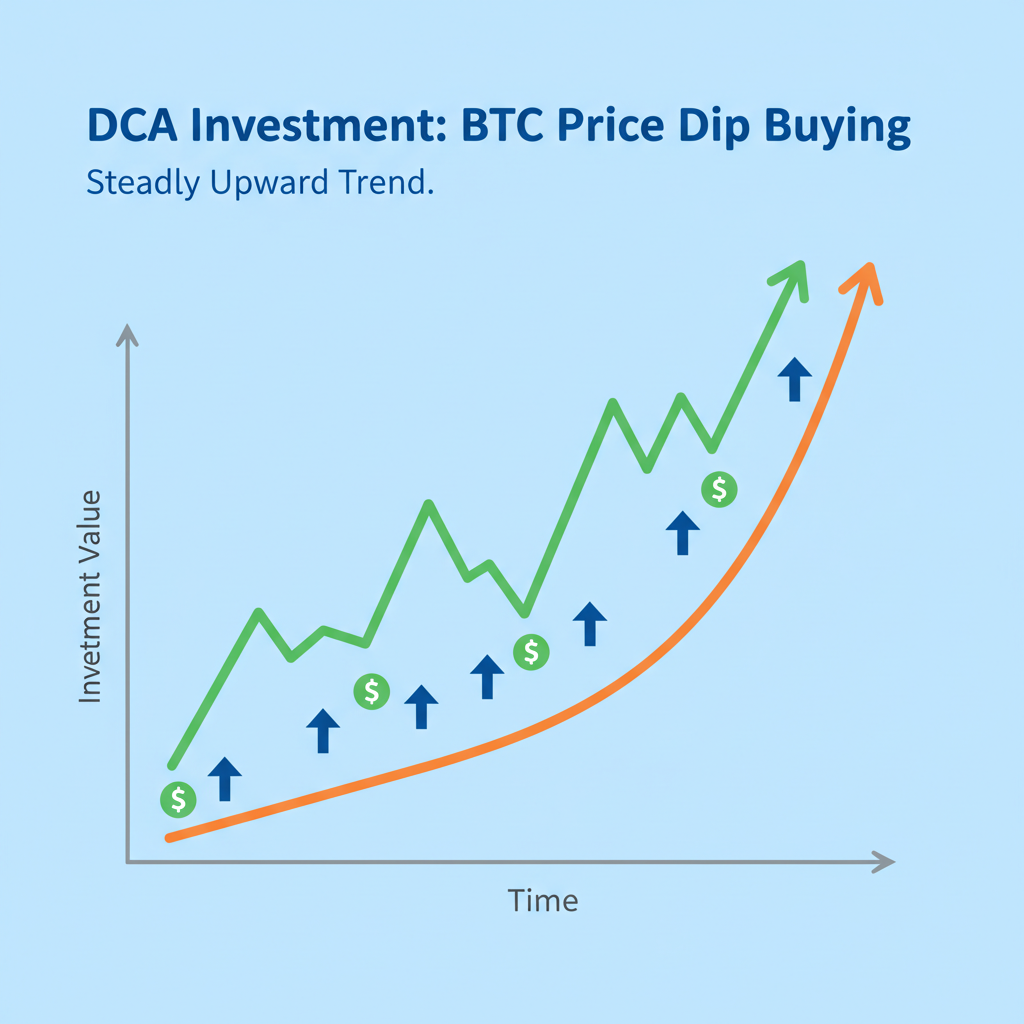
Dollar-cost averaging (DCA) turns volatility into your ally, dribbling in funds weekly regardless of price swings. At $68,523.00, each installment captures value without timing perfection. Pair this with self-custody for sovereignty or ETFs for ease; the choice hinges on your risk tolerance and timeline.
IBIT ETF Buying Guide: Why It's Still Your Safest Dip Entry
Despite leading outflows, BlackRock's IBIT stands tall for newcomers eyeing the dip. Its 0.25% expense ratio undercuts rivals, and liquidity rivals blue-chip stocks. Outflows reflect profit-taking by early birds, not structural flaws; assets under management still tower over peers. Buying IBIT shares via any brokerage sidesteps crypto exchanges' pitfalls like hacks or key mishaps. Think Vanguard or Schwab: familiar interfaces, SIPC protection up to $500,000. Amid $360 million sector exits, IBIT's resilience shines; it absorbed crash-day hedging without folding. For secure BTC exposure minus the wallet wars, it's unmatched. My 13 years vouch for ETF wrappers maturing crypto for the masses.
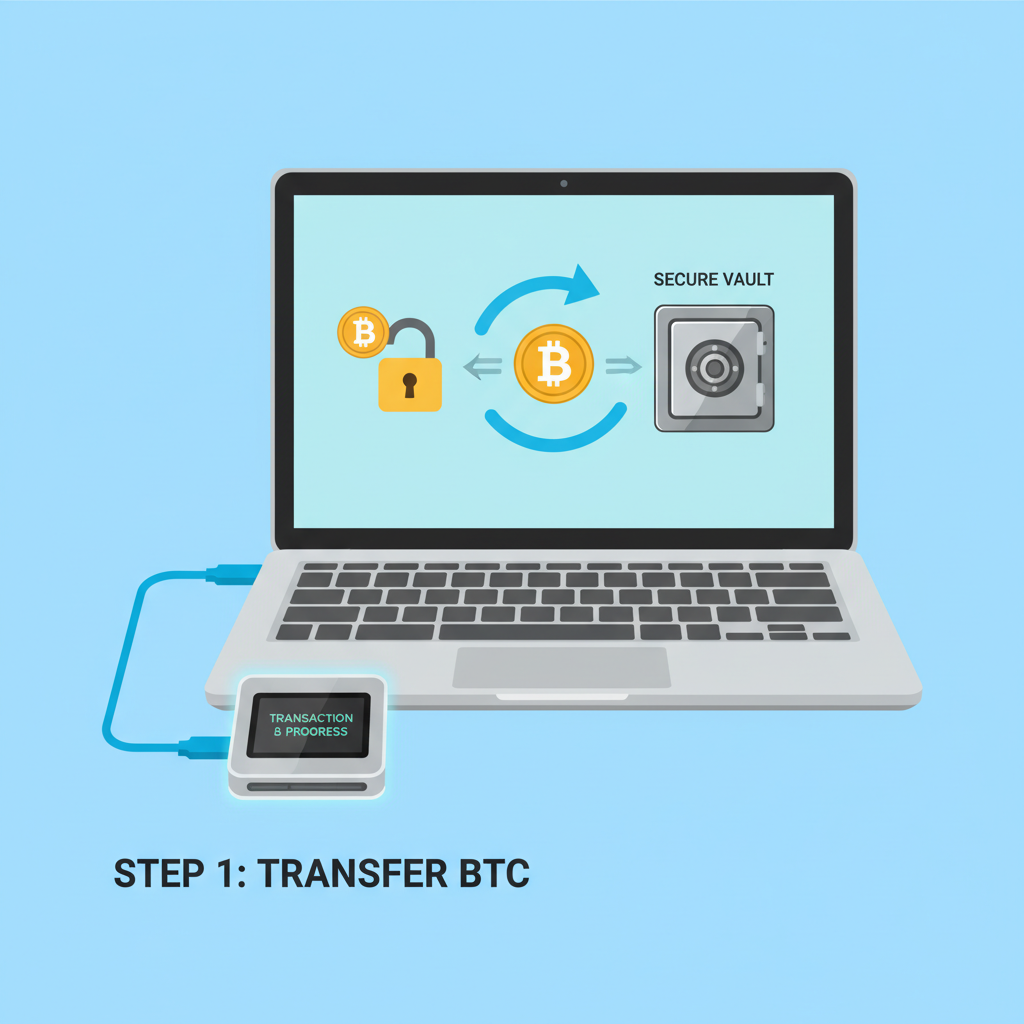
Direct BTC purchases offer purer plays but demand vigilance. Platforms like Coinbase or Kraken prioritize regulated rails, with insurance on hot wallets and two-factor mandates. Avoid unverified DeFi ramps; stick to KYC-compliant gateways. Hardware wallets like Ledger seal the deal post-purchase, shielding from exchange insolvencies. The $68,523.00 trough tests conviction, yet post-outflow rebounds reward patience. Commodities cycles echo this: outflows precede inflows when fear peaks.
5 Secure Steps to Buy the BTC Dip Amid $360M ETF Outflows


Avoiding Panic Selling Traps: Psychology and Portfolio Rules for 2026
Panic selling amplifies crashes; data shows retail dumps lag institutions, buying high and selling low. Counter with rules: allocate no more than 5-10% to BTC initially, rebalance quarterly. Track realized prices; ETF holders average $79,300 entry, far above today's $68,523.00, buffering downside. Leverage warnings from BlackRock ring true: derivatives bloated positions, forcing liquidations. Opt for spot-only buys to sleep soundly.
2026's halving backdrop adds tailwinds. Supply halvings historically ignite runs, outflows or not. Corporate adoption accelerates; firms beyond MicroStrategy hoard BTC as inflation hedge. ETF plumbing, despite hiccups, funnels trillions potentially. My hybrid analysis blends charts and flows: RSI oversold, MACD curling up, outflows peaking. This dip funds the next leg.
Long-term, Bitcoin's scarcity narrative endures. Volatility prunes weak hands, elevating survivors. Secure your slice at $68,523.00 via vetted channels, DCA relentlessly, and hold through noise. Markets adapt; so must we. Thrive by buying fear, not feeding it.




No comments yet. Be the first to share your thoughts!