
In April 2026, a multinational task force shattered a sprawling approval phishing crypto scam network, freezing $12 million in stolen funds and tracing over $45 million linked to more than 20,000 victims worldwide. Operation Atlantic, led by authorities from the US, UK, and Canada, exposed how scammers lured users into granting wallet permissions that drained assets overnight. As someone who’s navigated crypto markets for over a decade, I’ve seen tactics evolve, but this crackdown underscores a harsh reality: buying crypto securely in 2026 demands vigilance against these insidious traps.

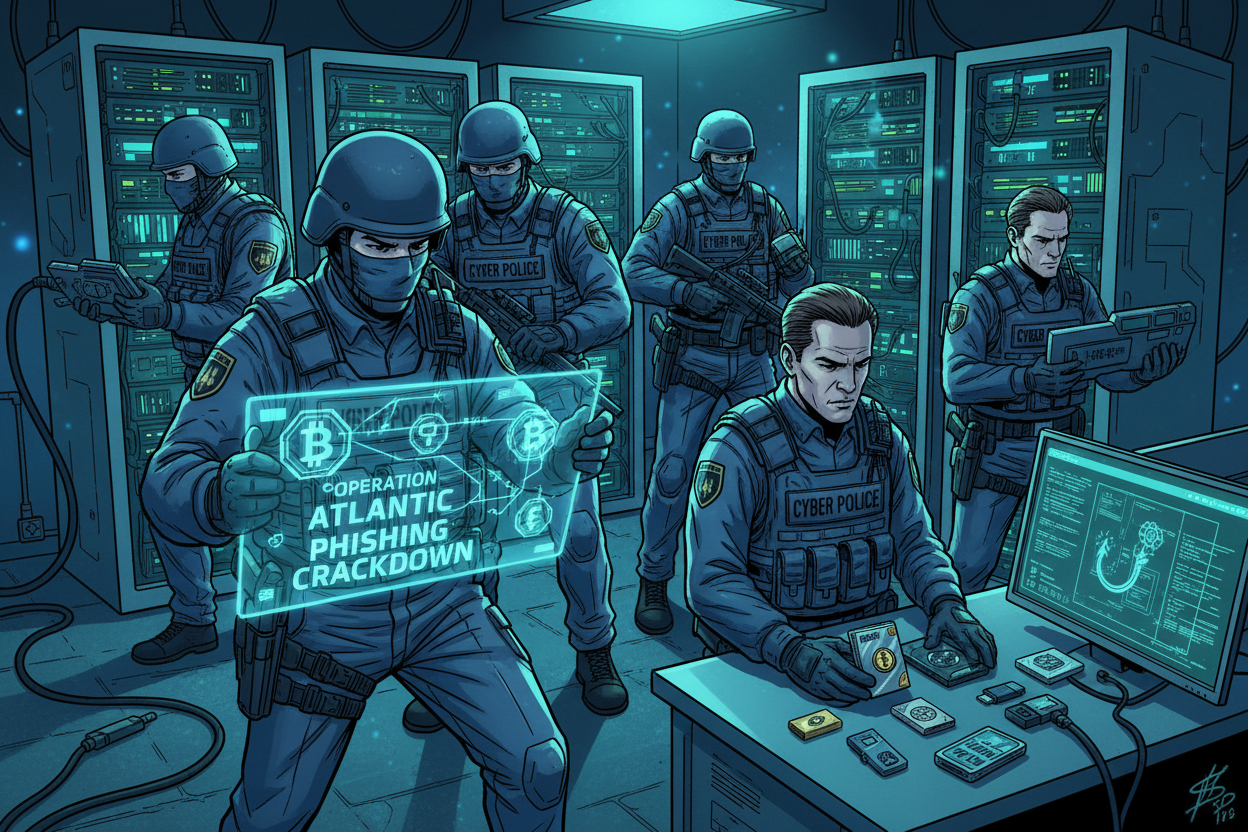
Approval phishing preys on trust. Attackers pose as legitimate decentralized apps or exchanges, tricking you into signing malicious transactions. Unlike simple theft, these scams grant ongoing access, letting thieves siphon funds at will. Victims, spanning over 30 countries, lost everything from small trades to life savings, with one UK individual alone out £52,000. The operation’s success hinged on mapping victim wallets and disrupting live fraud, a reminder that proactive defense beats recovery every time.
Operation Atlantic Crypto Crackdown: What Went Wrong for 20,000 Victims
The scheme thrived on deception mimicking platforms like Uniswap or Binance. Scammers sent phishing links via email, social media, or fake ads, leading to counterfeit sites that prompted wallet connections. Once approved, unlimited token allowances let attackers empty balances undetected. Investigators disrupted $45 million in progress, but the $12 million freeze only scratches the surface of global losses. This Operation Atlantic crypto crackdown revealed scammers’ shift to data-driven phishing, using stolen info for targeted hits. My take? Retail traders rushing into DeFi without checks fueled this; slow down, verify, survive.
Authorities emphasized education post-bust: always scrutinize permissions, revoke unused ones, and test small. These aren’t abstract tips; they’re battle-tested from analyzing thousands of drained wallets. As markets adapt, so must we, blending tech tools with street-smart habits to buy crypto securely 2026.
Core Defenses: Prioritizing the 7 Steps from the Seizure Analysis
From Operation Atlantic’s victim data, seven prioritized steps emerged for secure wallet buying guide practices. They target the exact vulnerabilities exploited, from fake sites to dormant approvals. Implementing them systematically slashes risk, as proven by law enforcement’s disruption tactics.
Steps 1-4: Lock Down Entry Points Before Connecting Your Wallet
1. Verify Platform Legitimacy: Always access exchanges and dApps via official links from trusted sources like CoinMarketCap or exchange apps. Operation Atlantic scams thrived on phishing sites mimicking Uniswap or Binance; one wrong click, and you’re approving theft. Bookmark originals, cross-check via apps, never follow unsolicited links. This alone could have spared thousands.
2. Double-Check URLs and Certificates: Ensure HTTPS and exact domain matches, like uniswap. org not uniswap. exchange. Fake approval prompts on bogus sites snared countless victims. Hover over links, use browser tools to inspect certificates. In my experience, this habit filters 90% of traps before they spring.
3. Review Transaction Details Thoroughly: Wallets like MetaMask display contract addresses, amounts, and approvals; inspect every one. Reject unlimited spending permissions, the hallmark exploited in 20,000 and cases. Scammers hide drains in innocent-looking signatures. Pause, decode via Etherscan, proceed only if pristine.
4. Limit Token Approvals: Opt for minimal or session-based allowances over unlimited. Tools like Etherscan reveal pending approvals for revocation post-use. Unlimited grants were the scam’s engine; cap them, and attackers starve. This step transforms passive users into active guardians.
5. Employ Hardware Wallets: Link a Ledger or Trezor for transaction verification directly on the device. This blocks remote phishing drains, a vulnerability spotlighted in the $12 million seizure from Operation Atlantic. Software wallets alone left victims exposed; hardware adds a physical barrier scammers can’t bypass remotely. I’ve relied on this setup through multiple bear markets, and it pays dividends in scam-heavy environments.
6. Use Test Transactions: Before committing real value, send tiny amounts to new contracts or platforms. Law enforcement mirrored this in Operation Atlantic to trace and disrupt $45 million in fraud without full exposure. It’s low-cost insurance; if the drain hits, losses stay minimal. This tactic, born from victim analysis, turns potential disasters into controlled experiments.
7. Regularly Revoke Permissions: Weekly scans via Revoke. cash or DeFiLlama let you axe unused approvals, neutralizing dormant exploits post-interaction. The 2026 crackdown proved lingering permissions fueled ongoing thefts across 20,000 wallets. Make it routine, like checking bank statements; vigilance here catches what initial checks miss.
Scammers adapt fast, but so can you. The operation’s freeze of $12 million and mapping of $45 million show authorities are closing in, yet individual responsibility remains key to avoid crypto fraud 2026. Integrate these into muscle memory, and you’ll trade with confidence amid rising DeFi volumes.
One UK victim’s £52,000 loss underscores the stakes, but proactive users sidestepped traps by following similar protocols. Tools evolve, threats mutate, yet fundamentals endure: question every connect, limit every grant, audit relentlessly. As markets climb, this secure wallet buying guide equips you to thrive without the fallout.
Operation Atlantic’s legacy isn’t just seized funds returned to victims; it’s a blueprint for resilience. Stay adaptive, verify relentlessly, and turn potential pitfalls into protected gains.
About the Author