

On August 7,2025, President Donald Trump signed an executive order that could fundamentally change the way Americans approach retirement investing. For the first time, the $12.2 trillion 401(k) market is being opened to alternative assets like Bitcoin and Ethereum, a move that has already sent shockwaves through both traditional finance and crypto communities. With Bitcoin trading at $118,575.00 and Ethereum at $4,216.97, this policy shift arrives at a pivotal moment for digital assets.
What Does the Trump Crypto 401(k) Order Actually Do?
The executive order directs regulators to update rules so that 401(k) plans can offer exposure to cryptocurrencies. Until now, most retirement accounts were limited to conventional assets such as stocks, bonds, and mutual funds. By including digital currencies like Bitcoin and Ethereum, alongside other alternative assets, this new policy aims to democratize access to potentially higher returns and greater diversification.
According to a Reuters report, proponents argue this could "send billions into Bitcoin and Ethereum, " while critics warn of increased risks, higher fees, and reduced liquidity compared to traditional investments.
How Will This Change Buying Bitcoin in Your Retirement Account?
This executive order means that millions of American savers may soon have the option to allocate a portion of their retirement savings directly into crypto. Instead of using separate exchanges or self-directed IRAs with complex custody solutions, mainstream 401(k) providers will likely begin offering dedicated crypto investment options, potentially as mutual funds or exchange-traded products (ETPs).
The immediate reaction in the market was telling: after the announcement, Bitcoin surged past $118,000, a level previously thought improbable in mainstream finance circles. Ethereum also saw significant trading activity around $4,216.97, though it closed down slightly from its previous high.
Risks and Rewards: The Debate Over Crypto for Retirement Investors
The debate over adding crypto to retirement portfolios is intense, and for good reason. On one hand, digital assets have shown strong historical returns and low correlation with traditional equities. On the other hand, they are notoriously volatile; even established coins like Bitcoin can swing thousands of dollars in a single day.
The Department of Labor and Securities and Exchange Commission have been tasked with ensuring robust investor protections as these products roll out. Expect stricter disclosure requirements, risk warnings, and possibly limits on how much individuals can allocate toward crypto within their 401(k)s.
Current Market Impact: Bitcoin Maintains Position Above $118,000
The opening of retirement accounts to crypto has already influenced prices. As of August 10th:
- Bitcoin (BTC): $118,575.00, up 1.71% from the previous close (24h high: $118,919.00; low: $116,482.00)
- Ethereum (ETH): $4,216.97, down 1.63% from the previous close (24h high: $4,315.79; low: $4,171.87)
This price action reflects optimism about increased institutional demand as billions in retirement capital could flow into digital assets for the first time.
Bitcoin (BTC) Price Prediction 2026-2031 Post-Trump 401(k) Crypto Order
Forecasts incorporate the impact of US 401(k) access, regulatory evolution, and ongoing crypto adoption trends.
| Year | Minimum Price | Average Price | Maximum Price | Year-over-Year Change (%) | Market Scenario Insight |
|---|---|---|---|---|---|
| 2026 | $98,000 | $134,000 | $180,000 | +13% | Volatility as 401(k) onboarding accelerates; profit-taking and regulatory debates may cause swings |
| 2027 | $110,000 | $155,000 | $220,000 | +16% | Steady inflows from retirement accounts; regulatory clarity boosts institutional confidence |
| 2028 | $125,000 | $176,000 | $265,000 | +14% | Mainstream adoption grows; increased global competition and possible ETF expansions |
| 2029 | $140,000 | $198,000 | $310,000 | +13% | Halving cycle approaches; technological upgrades (e.g., scalability) and macroeconomic shifts |
| 2030 | $160,000 | $225,000 | $365,000 | +14% | Retirement crypto allocations mature; possible new asset classes in 401(k)s increase portfolio flexibility |
| 2031 | $185,000 | $260,000 | $425,000 | +16% | Wider integration into global finance; potential for Bitcoin to rival gold as a strategic reserve asset |
Price Prediction Summary
Bitcoin's inclusion in US 401(k) retirement plans could drive significant institutional and retail inflows, supporting a strong long-term uptrend. While the market will likely experience periods of volatility—especially as regulatory frameworks evolve—the broader adoption and maturing investment infrastructure point to higher average prices over the next six years. Bullish scenarios reflect widespread adoption and technological progress, while bearish ranges account for regulatory setbacks or macroeconomic shocks.
Key Factors Affecting Bitcoin Price
- Impact and pace of 401(k) crypto adoption among US savers
- Regulatory clarity and investor protection measures by the SEC and Department of Labor
- Bitcoin halving cycles and supply dynamics
- Technological improvements (e.g., scalability, security)
- Macroeconomic conditions, including inflation and monetary policy
- Competition from other digital assets and traditional investments
- Market sentiment and institutional investor behavior
Disclaimer: Cryptocurrency price predictions are speculative and based on current market analysis. Actual prices may vary significantly due to market volatility, regulatory changes, and other factors. Always do your own research before making investment decisions.
Yet the enthusiasm is tempered by the realities of crypto investing. Bitcoin and Ethereum’s recent price movements underscore both the allure and danger of volatility: while Bitcoin holds strong at $118,575.00, its 24-hour range saw swings of over $2,400. Ethereum, at $4,216.97, experienced a similar rollercoaster within a single trading day. For retirement savers accustomed to steadier asset classes, this volatility presents a new set of risks that must be carefully weighed against potential rewards.

What Savers Should Watch For: Fees, Security, and Education
As 401(k) plans prepare to integrate digital assets, investors should pay close attention to the fee structures attached to these new offerings. Crypto investment products often carry higher management fees than traditional mutual funds due to custody complexities and regulatory compliance costs. Additionally, security remains paramount, retirement providers will need robust solutions for safeguarding digital assets against both cyber threats and operational errors.
Education will be critical in the rollout phase. Many Americans are still unfamiliar with how cryptocurrencies function or why their prices are so volatile. The Department of Labor is expected to require enhanced disclosures and risk education materials for plan participants considering crypto allocations, a move that could help mitigate missteps among less experienced investors.
Key Considerations for 401(k) Crypto Investors
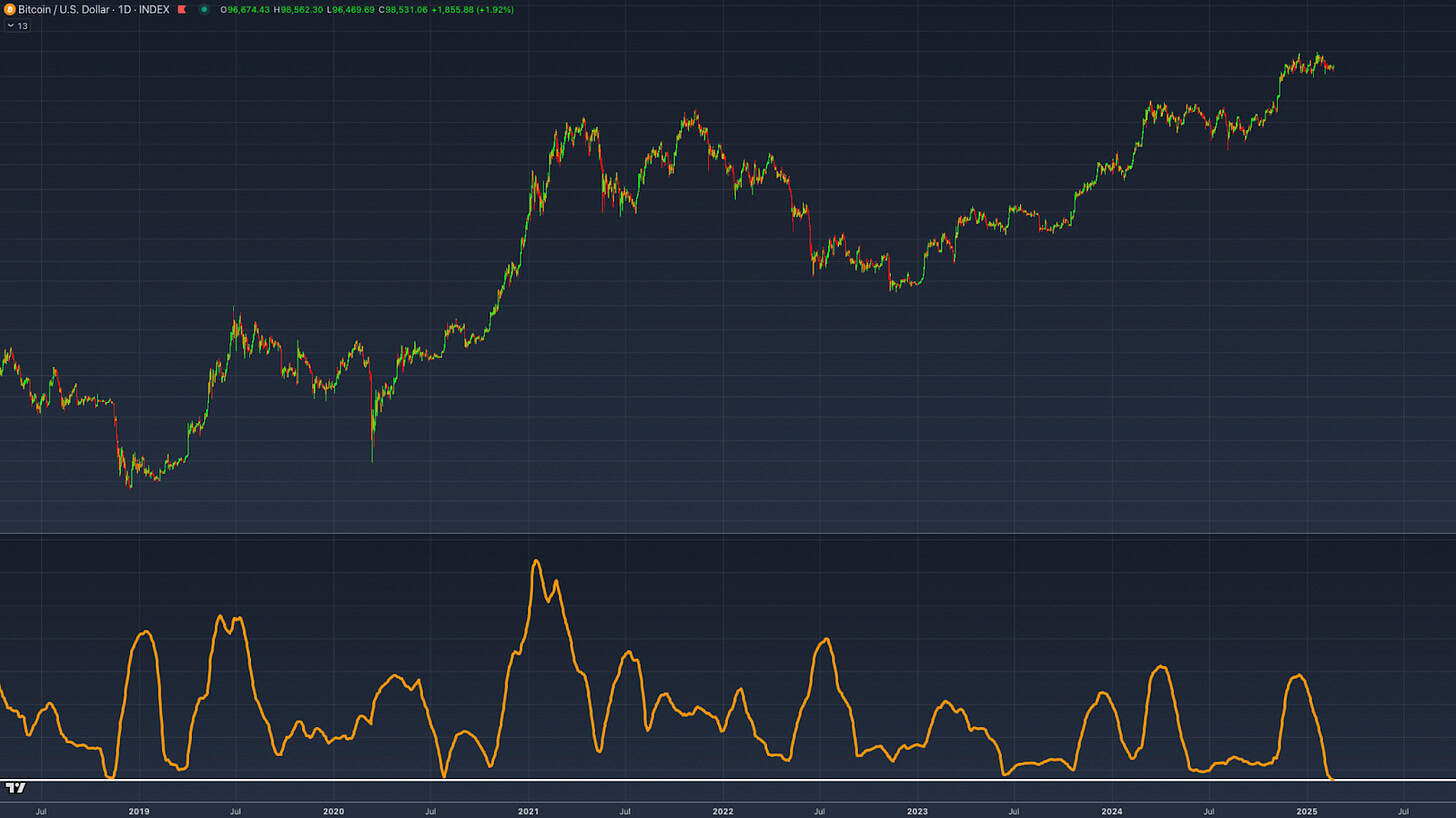
- Understand Crypto Volatility: Cryptocurrencies like Bitcoin (currently $118,575) and Ethereum ($4,216.97) can experience significant price swings, impacting your retirement savings more than traditional assets.
- Review Plan Provider Options: Not all 401(k) providers will immediately offer crypto investments. Check if your plan administrator partners with platforms like Fidelity Investments or Charles Schwab, which are exploring crypto integration.

- Assess Fees and Costs: Crypto investments often come with higher management fees and trading costs compared to stocks or bonds. Review your plan’s fee disclosures carefully before allocating funds.

- Consider Security and Custody: Ensure your 401(k) provider uses reputable custodians such as Coinbase Custody or BitGo to safeguard digital assets against hacks and theft.

- Evaluate Regulatory Protections: The Department of Labor and SEC are updating regulations for crypto in retirement plans. Stay informed about new rules and investor protections as they are implemented.
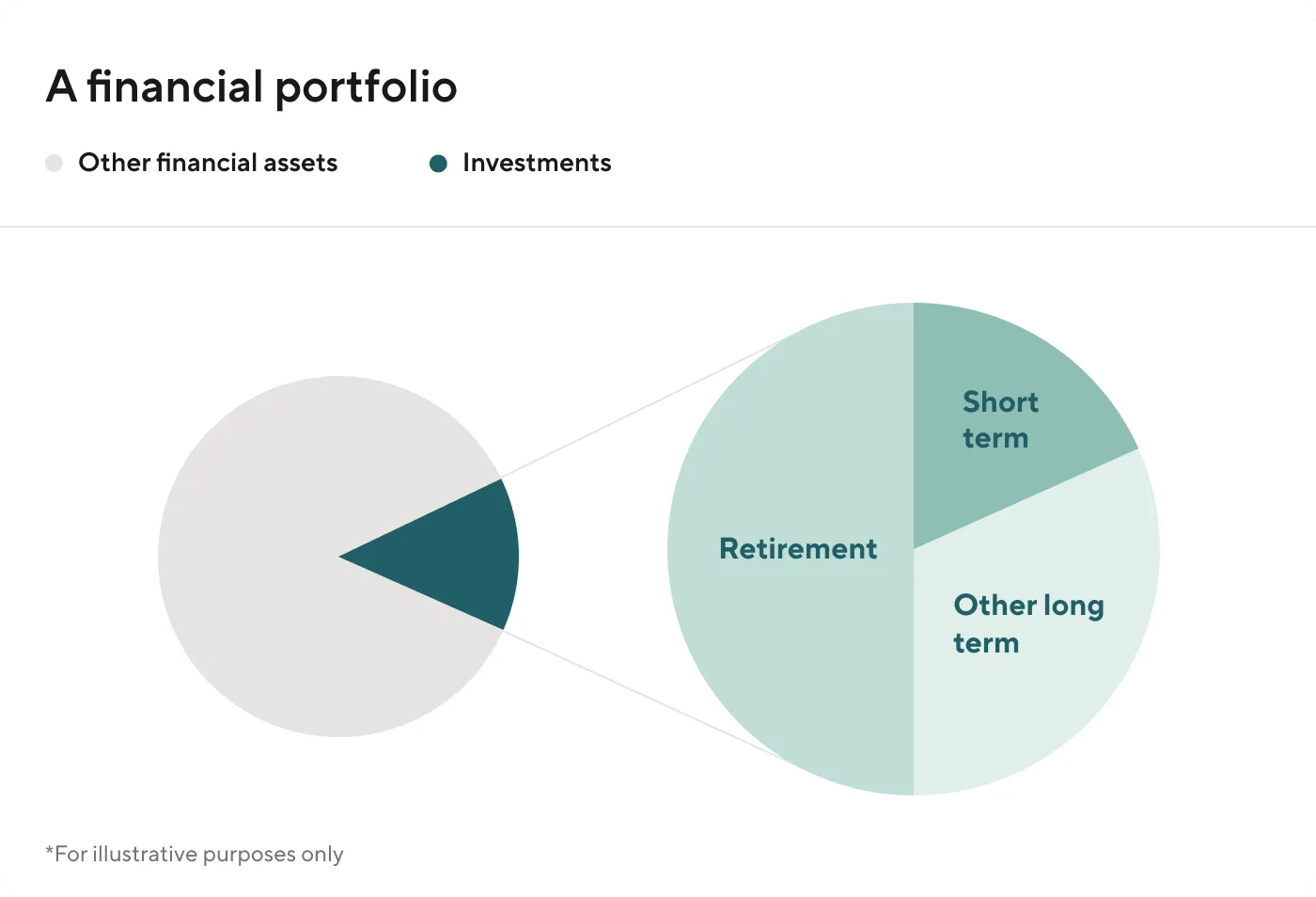
- Balance Diversification and Risk: While crypto can enhance diversification, experts recommend limiting exposure to a small percentage of your overall portfolio to manage risk.
- Stay Informed on Tax Implications: Crypto investments in 401(k)s have unique tax treatment. Consult with a tax advisor or use resources from the IRS on digital asset taxation in retirement accounts.

Broader Implications for Financial Markets
The Trump crypto 401(k) order signals a broader acceptance of digital assets within mainstream finance. As institutional capital from retirement accounts enters the market, liquidity could improve and price discovery may become more efficient. However, this influx also raises concerns about systemic risk; if a significant portion of Americans’ retirement wealth becomes exposed to crypto volatility, market swings could have far-reaching consequences beyond individual portfolios.
For long-term investors, disciplined portfolio construction is more important than ever. Diversification remains key, allocating a modest percentage to Bitcoin or Ethereum can enhance return potential without exposing your entire nest egg to excessive risk.
The Road Ahead: Regulation Will Shape Crypto’s Role in Retirement
Ultimately, the success of this policy shift depends on effective regulation and investor education. Both the SEC and Department of Labor face pressure to balance innovation with protection, setting guardrails that allow Americans to benefit from digital asset growth while avoiding pitfalls that could undermine retirement security.
Early reactions from industry leaders remain mixed but cautiously optimistic (Bitcoin Magazine). The coming months will reveal how quickly major plan providers adopt these options, and whether demand from savers matches market expectations.
The opening of 401(k)s to crypto marks a watershed moment for American retirement planning, but it’s not a guarantee of riches overnight. As always, prudent decision-making and ongoing education will be your best allies as you navigate this new era in financial markets.




No comments yet. Be the first to share your thoughts!