
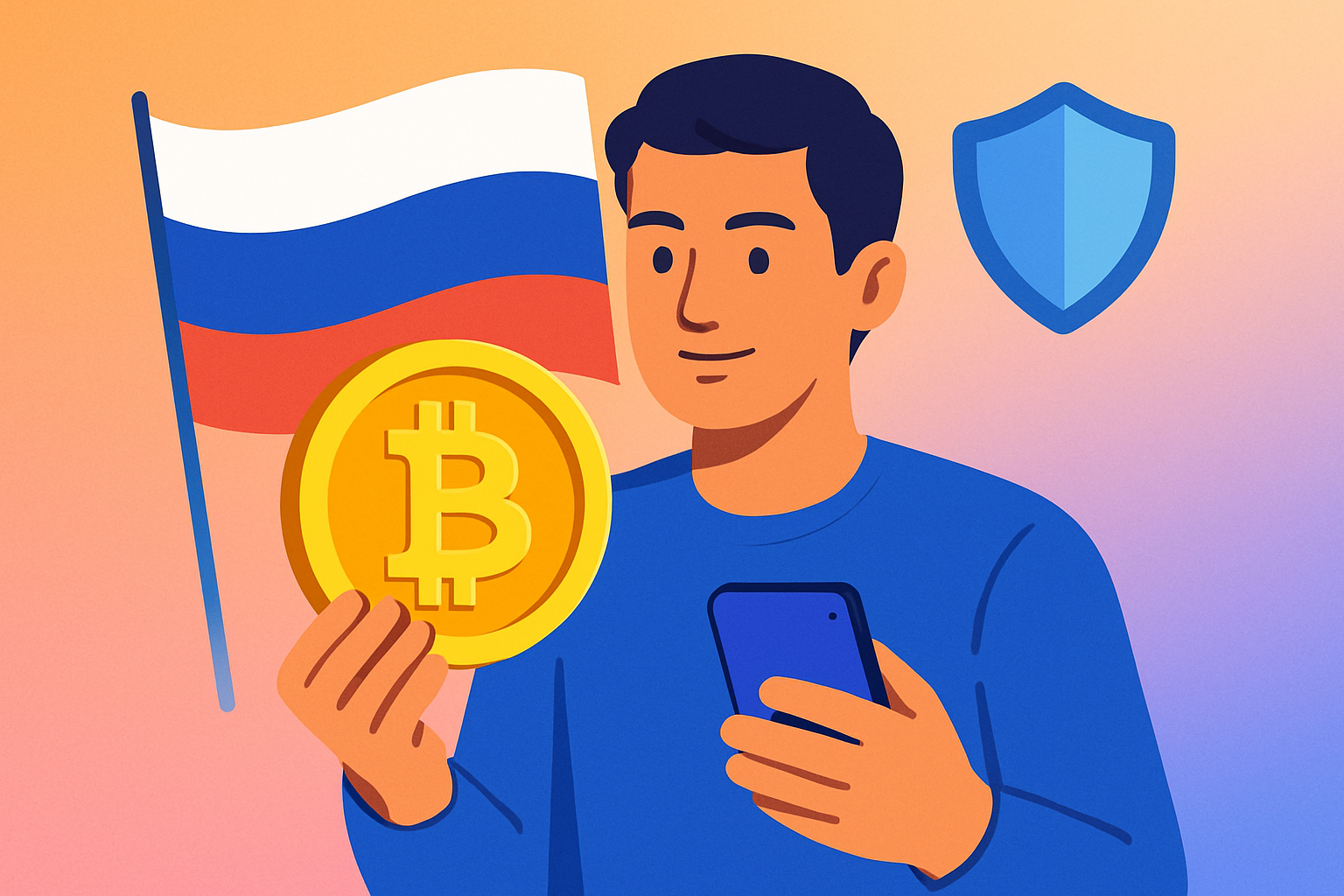
Russia is making bold moves in the world of cryptocurrency, pivoting from a cautious stance to a strategic embrace of digital assets. With sweeping regulatory changes taking effect in 2025, including the legalization of crypto mining and clear tax frameworks, Russia is signaling its intent to become a major player in global crypto markets. For everyday buyers and international observers alike, these shifts carry profound implications for how digital currencies are bought, traded, and regulated.

Russia’s Regulatory Evolution: From Caution to Calculated Embrace
For years, Russia’s approach to crypto was defined by uncertainty and sporadic enforcement. But as of January 2025, the landscape has changed dramatically. The Bank of Russia now requires contracts involving digital rights - including cryptocurrencies and tokenized securities - used in foreign trade to be registered with authorized banks. This applies to import contracts over RUB 3 million and export contracts exceeding RUB 10 million. The move isn’t just bureaucratic; it’s a signal that Moscow wants oversight while still enabling operational efficiency for cross-border transactions.
This shift coincides with new laws allowing cryptocurrencies for international settlements. Russian companies can now use digital assets to settle cross-border trades, directly impacting payments with partners like India. These developments place Russia at the center of crypto regulation news, challenging traditional financial systems while navigating ongoing sanctions from the EU and other Western powers.
What Does This Mean for Everyday Crypto Buyers?
For individual investors and small businesses in Russia, the new rules bring both clarity and complexity. The fresh taxation framework sets personal income tax at 13% on crypto earnings up to 2.4 million rubles per year (about $26,000), rising to 15% above that threshold. Legal entities face a 25% corporate profit tax on earnings from mining or crypto sales, but mining operations are exempt from VAT - reducing their tax burden by 20%. This dual approach aims to make buying cryptocurrency securely more accessible while ensuring state oversight.
However, everyday buyers should note that banks can now limit daily cash withdrawals to 50,000 rubles ($600) within a 48-hour period if transactions are flagged as suspicious or unusual. This measure is designed to curb illicit activity but could also complicate liquidity for active traders or those relying on rapid access to funds.
Key Takeaways for Russian Crypto Buyers in 2025
- Crypto mining is now legal and taxed. Individuals pay a 13% tax on annual crypto income up to 2.4 million rubles, and 15% on income above that. Mining companies face a 25% corporate profit tax but are exempt from VAT.
- International trade with crypto is permitted—under strict rules. All contracts using digital assets for imports over 3 million rubles or exports over 10 million rubles must be registered with authorized banks.
- Personal use of crypto for payments remains restricted. Fines for using cryptocurrency to pay for goods and services are set to be introduced in 2026, so buyers should avoid domestic crypto payments.
- Daily cash withdrawal limits are in effect. Banks can limit withdrawals to 50,000 rubles (about $600) per 48 hours if suspicious crypto-related activity is detected.

- Global regulatory scrutiny is increasing. Russia’s approach may influence other countries’ crypto frameworks, but also raises concerns about sanction circumvention and could prompt tighter international oversight.
The Ripple Effect: Global Market Access and Regulatory Influence
Russia’s calculated push into crypto markets isn’t happening in isolation. Neighboring Belarus is tightening its own rules with a fresh regulatory guide for 2025 - part of a broader regional trend toward more structured oversight (source). Globally, as the total crypto market cap stabilizes near $2.62 trillion following a 9% dip in Q1 2025 due to regulatory tightening (source), Russia’s approach may prompt other countries to reconsider their frameworks.
This evolving landscape raises questions about how digital assets could be used to circumvent sanctions or facilitate alternative payment channels between nations facing economic restrictions. It also spotlights the need for coordinated global oversight as more countries grapple with balancing innovation against control.
For buyers seeking global crypto market access, Russia’s new rules offer both opportunity and complexity. On one hand, the ability to use digital assets for international settlements opens doors for businesses previously constrained by traditional banking rails or sanctions barriers. On the other, increased compliance requirements, like registering foreign trade contracts with authorized banks, add friction to cross-border transactions, especially for smaller players lacking legal resources.
Internationally, Russia’s regulatory shift is being watched closely. As Moscow moves to legitimize mining and clarify tax obligations, other jurisdictions may feel pressure to harmonize their own policies or risk losing competitive edge. The Belarus crypto crackdown and similar efforts across Eastern Europe signal a wider recalibration in response to both the promise and risks of digital assets.
Practical Implications: How Secure Is Buying Crypto in Russia Now?
The new environment offers more legal certainty but also introduces a layer of surveillance. For those buying cryptocurrency securely within Russia, the tax framework provides a roadmap for compliance, and potential peace of mind for law-abiding investors. However, the looming introduction of fines for using crypto as payment for goods and services (expected in 2026) means that retail adoption remains tightly regulated.
Meanwhile, mining operations benefit from VAT exemption but face higher corporate taxes, a tradeoff that may reshape the landscape of Russian crypto mining. Everyday buyers must now weigh these evolving rules against their own risk tolerance and investment goals.
What’s Next? The Road Ahead for Russian Crypto Regulation
With daily cash withdrawal limits set at 50,000 rubles ($600) over 48 hours when transactions are flagged as suspicious, liquidity management is now top-of-mind for active traders. These controls reflect broader concerns about capital flight and illicit finance, but they also add complexity to legitimate activity on exchanges and peer-to-peer platforms.
The coming years will likely see further refinements as authorities respond to market feedback and global trends. Already, plans are underway to introduce stricter penalties for unauthorized payments via cryptocurrency starting in 2026 (source). The interplay between innovation, oversight, and international pressure will continue shaping how Russians, and their trading partners, interact with digital assets.




No comments yet. Be the first to share your thoughts!