
Bitcoin’s role in global finance is shifting, and the latest high-profile acquisitions by Metaplanet and El Salvador are at the heart of this transformation. As of September 9,2025, Bitcoin (BTC) is trading at $112,976, up 0.8% over the last 24 hours. This price milestone isn’t just a number; it’s a signal of changing sentiment among major market players and a maturing landscape for crypto investors.
The Rise of Institutional Crypto Adoption: Metaplanet’s Bold Strategy
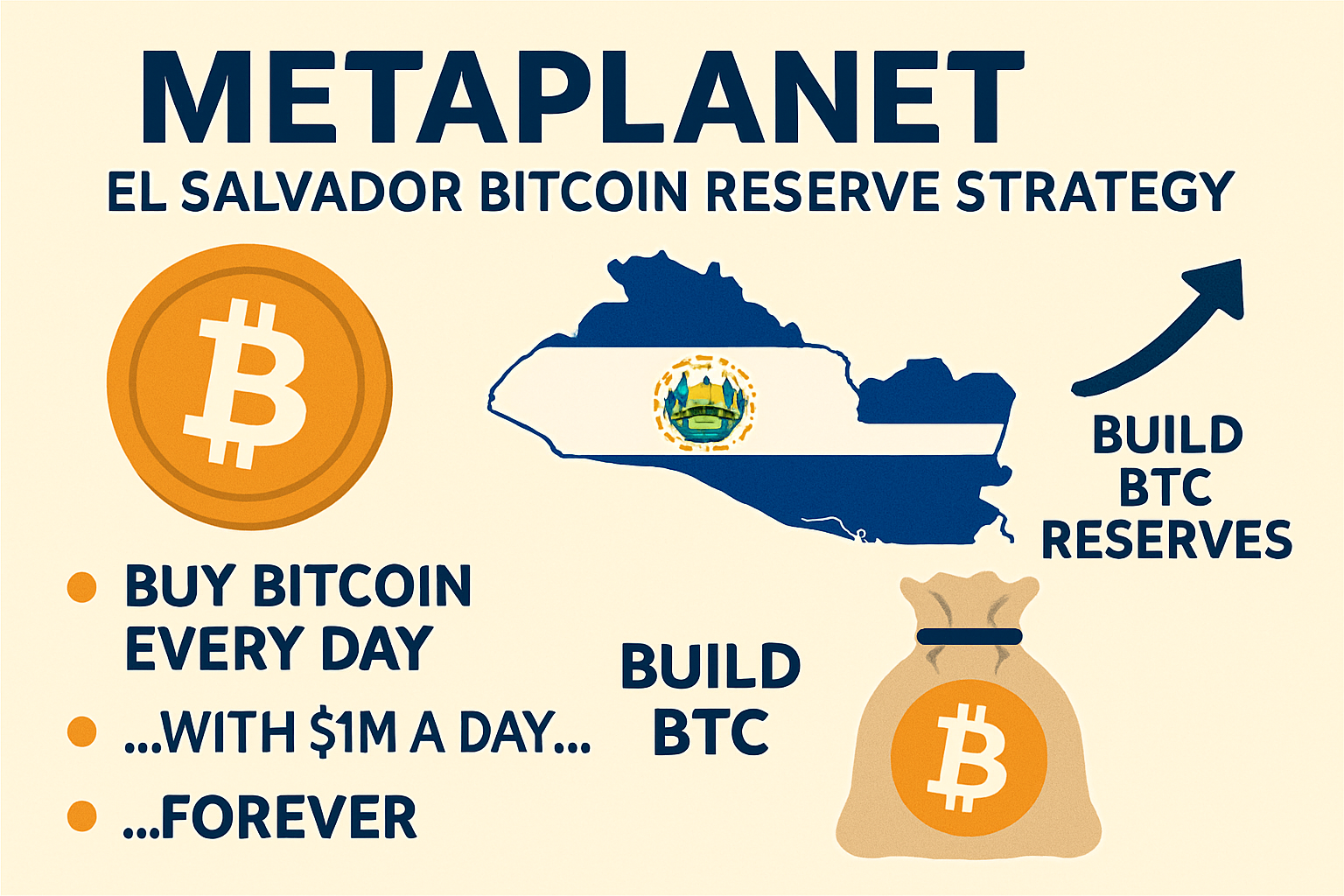
The Tokyo-listed investment firm Metaplanet has become a case study in aggressive institutional crypto adoption. On May 12,2025, Metaplanet announced the purchase of 1,241 BTC for approximately $126.7 million, pushing its total holdings to 6,796 BTC. This move not only surpassed El Salvador’s reserves at that time but also positioned Metaplanet as one of the world’s largest corporate Bitcoin holders.
This isn’t a short-term play. CEO Simon Gerovich has articulated an ambitious vision: acquiring up to 210,000 BTC by 2027. The company’s share price reflects investor confidence in this strategy – Metaplanet stock has surged over 2,100% in the past year, according to recent market coverage (source). The message is clear: institutional conviction in Bitcoin as a strategic reserve asset is deepening.
El Salvador Doubles Down on Its Bitcoin Bet
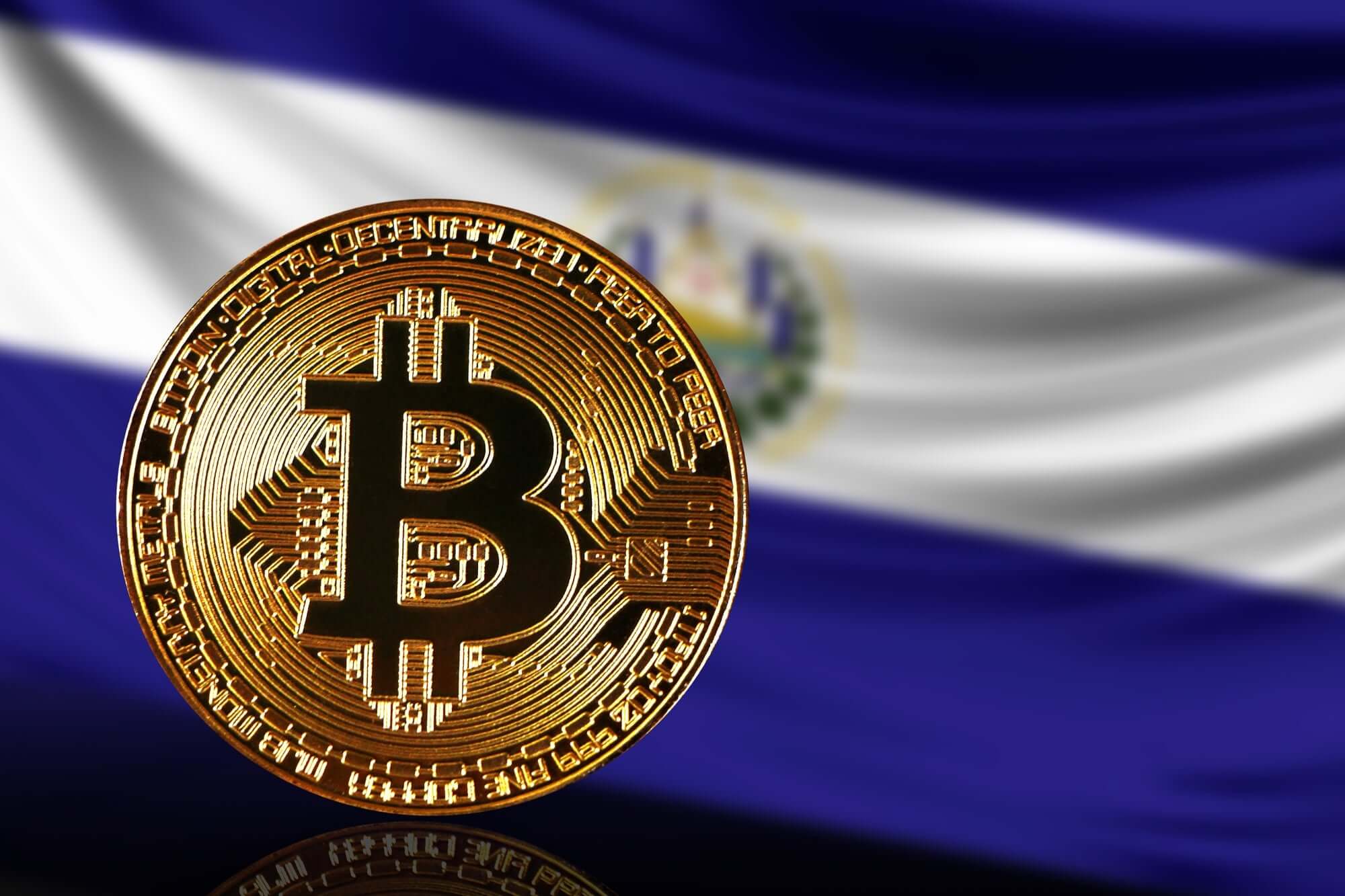
If Metaplanet represents private sector momentum, El Salvador embodies sovereign-level commitment. Since becoming the first country to adopt Bitcoin as legal tender in 2021, El Salvador has continued to expand its reserves – most recently adding more coins in March 2025 and bringing its total holdings to over 6,102 BTC. The government’s persistence comes despite pressure from international organizations such as the IMF (source).
This ongoing accumulation isn’t merely symbolic. It positions El Salvador uniquely on the world stage as both an experiment and a bellwether for national-level crypto integration. Each new purchase – like the recent acquisition during “Bitcoin Day” – reinforces a narrative of resilience and long-term vision.
Bitcoin Maintains Position Above $100,000: What This Means for Investors
The sustained price level above $100,000 – with Bitcoin currently at $112,976 – is more than just psychological. It marks an era where corporate treasuries and even nation-states view Bitcoin not simply as a speculative asset but as a core component of financial strategy. According to analysis from UTXO Management, institutional flows into Bitcoin are projected to reach nearly $120 billion by year-end 2025 and $300 billion by 2026.
Bitcoin (BTC) Price Prediction Table: 2026–2031
Forecasting Institutional Flows and Macro Trends for Bitcoin’s Next Cycle (2026–2031)
| Year | Minimum Price (Bearish Scenario) | Average Price (Base Case) | Maximum Price (Bullish Scenario) | % Change (Avg YoY) | Key Market Scenario |
|---|---|---|---|---|---|
| 2026 | $93,000 | $126,000 | $178,000 | +11.6% | Continued institutional flow; possible post-halving volatility |
| 2027 | $108,000 | $144,000 | $215,000 | +14.3% | Wider nation-state adoption; regulatory clarity improves |
| 2028 | $120,000 | $161,000 | $240,000 | +11.8% | Mainstream integration; new global ETFs launched |
| 2029 | $133,000 | $183,000 | $278,000 | +13.7% | Next halving cycle; corporate treasuries expand holdings |
| 2030 | $149,000 | $207,000 | $325,000 | +13.1% | Increased DeFi/utility adoption; tech upgrades (scalability, privacy) |
| 2031 | $165,000 | $228,000 | $370,000 | +10.1% | Global asset status; competition from CBDCs and altcoins |
Price Prediction Summary
Bitcoin is poised for sustained growth between 2026 and 2031, driven by strong institutional adoption from entities like Metaplanet and El Salvador, increasing nation-state participation, and continued integration into mainstream finance. While volatility and regulatory risks persist, the overall trajectory remains upward, with the average price projected to nearly double by 2031. Bullish scenarios foresee Bitcoin potentially reaching $370,000, while bearish cases still suggest prices will remain significantly above current levels.
Key Factors Affecting Bitcoin Price
- Institutional flows: Major corporate and nation-state purchases act as price floors and sentiment drivers.
- Regulatory landscape: Favorable or clear regulations could accelerate adoption; adverse rulings could trigger volatility.
- Market cycles: Bitcoin’s halving cycles historically lead to multi-year bull runs followed by corrections.
- Technological upgrades: Improvements in scalability, security, and interoperability can boost confidence and utility.
- Macroeconomic conditions: Inflation, currency devaluation, and geopolitical instability increase Bitcoin’s appeal as a reserve asset.
- Competition: Growth of CBDCs, stablecoins, and alternative cryptocurrencies may affect Bitcoin’s dominance.
- ETF and financial product adoption: Expansion of Bitcoin ETFs and ETPs increases accessibility and legitimizes the asset class.
Disclaimer: Cryptocurrency price predictions are speculative and based on current market analysis.
Actual prices may vary significantly due to market volatility, regulatory changes, and other factors.
Always do your own research before making investment decisions.
This trend is accelerating:
- Bigger Buyers: Corporations now account for an estimated $16 billion in total Bitcoin holdings in 2025 (source)
- Diversification: Both private companies like Metaplanet and public entities such as El Salvador are using Bitcoin for hedging against macroeconomic volatility.
- Maturing Sentiment: Market mood has shifted from fear-driven volatility toward cautious optimism and strategic accumulation.
Navigating Crypto Investment Trends in 2025: Lessons from Institutional Moves
The actions of Metaplanet and El Salvador offer critical insights for retail investors interested in how to buy Bitcoin securely or position themselves within evolving crypto investment trends. Their strategies highlight several themes:
- Long-Term Vision Over Short-Term Gains: Both entities are accumulating rather than trading actively.
- Diversified Reserve Strategies: Treating Bitcoin as part of broader treasury management speaks volumes about its perceived durability.
- Persistent Accumulation Despite Volatility: Neither entity was deterred by interim price dips or regulatory hurdles.
This institutional momentum is not occurring in isolation. It is part of a broader, global shift in the perception of digital assets. As more governments and corporations move to accumulate Bitcoin, the barriers to mainstream adoption continue to erode. This creates a self-reinforcing cycle: every high-profile Bitcoin buy by a major player further legitimizes crypto as an asset class, drawing in additional institutional capital and retail interest.
How Institutional Buys Reshape the Crypto Landscape: Key Takeaways for Investors
For those tracking crypto investment trends in 2025, several implications stand out:
How Metaplanet and El Salvador Shape Retail Crypto Strategies
-
Boosting Confidence in Bitcoin as a Reserve Asset: Metaplanet’s and El Salvador’s substantial Bitcoin acquisitions reinforce the narrative of Bitcoin as a legitimate strategic reserve asset, encouraging retail investors to view BTC as more than just a speculative instrument.
-
Signaling Market Maturity and Institutional Endorsement: The entry of a Tokyo-listed firm like Metaplanet and a sovereign nation such as El Salvador signals growing institutional and governmental trust in Bitcoin, which can reassure retail investors about the cryptocurrency’s long-term viability.
-
Driving Mainstream Adoption and Financial Integration: El Salvador’s integration of Bitcoin into its national financial system and Metaplanet’s Bitcoin-centric corporate strategy highlight pathways for wider adoption, making it easier for retail investors to envision broader use cases and acceptance.
-
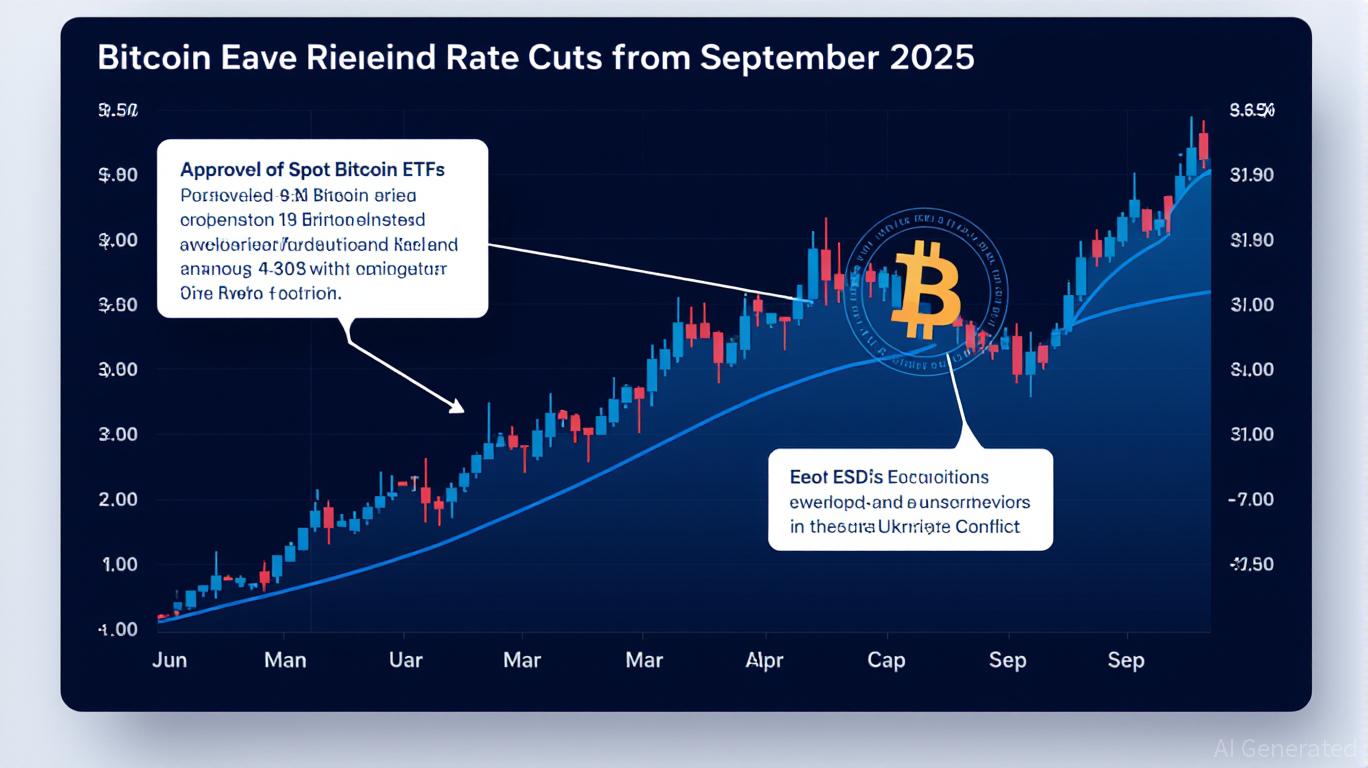
Influencing Price Perception and Investment Timing: With Bitcoin trading at $112,976 as of September 9, 2025, the high-profile purchases by Metaplanet and El Salvador can impact retail sentiment, often leading to increased buying activity and shaping perceptions of optimal entry points.
-

Encouraging Diversification and Risk Management: Both entities treat Bitcoin as a hedge against economic volatility, prompting retail investors to consider diversification and strategic allocation of digital assets in their own portfolios.
First, the sheer scale of these purchases demonstrates that Bitcoin’s liquidity and infrastructure have matured enough to handle multi-million-dollar acquisitions without destabilizing markets. This is a stark contrast to earlier years when even modest institutional buys could trigger outsized volatility.
Second, the willingness of both private firms and nation-states to hold Bitcoin through regulatory uncertainty signals growing confidence in its long-term value proposition. Notably, Metaplanet’s goal of acquiring 210,000 BTC by 2027 sets a new benchmark for corporate ambition in the digital asset space.
Third, these moves are forcing traditional financial institutions to reconsider their stance on crypto. As blue-chip companies integrate Bitcoin into reserve strategies, banks and asset managers face mounting pressure from clients who want exposure to this emerging asset class, either directly or via regulated products.
How to Buy Bitcoin Securely: Best Practices for 2025
Given this rapidly evolving landscape, retail investors must adopt robust security practices when entering the market. Here are some essential steps:
It’s also wise to monitor corporate and sovereign activity closely. Major moves by entities like Metaplanet or El Salvador can precede significant shifts in market sentiment or regulatory posture, both of which may impact price action or access routes for everyday investors.
The Road Ahead: From Experimentation to Integration
The pace at which institutional crypto adoption is accelerating suggests that we are moving from an era of experimentation into one of integration. As companies like Metaplanet pursue aggressive accumulation strategies, and as nations like El Salvador continue their sovereign bets, the narrative around Bitcoin evolves from fringe speculation toward mainstream acceptance.
This shift will likely have profound implications on everything from portfolio construction to global monetary policy. For forward-thinking investors willing to do their homework and prioritize security, this new era offers unprecedented opportunities, as well as new responsibilities.
About the Author