
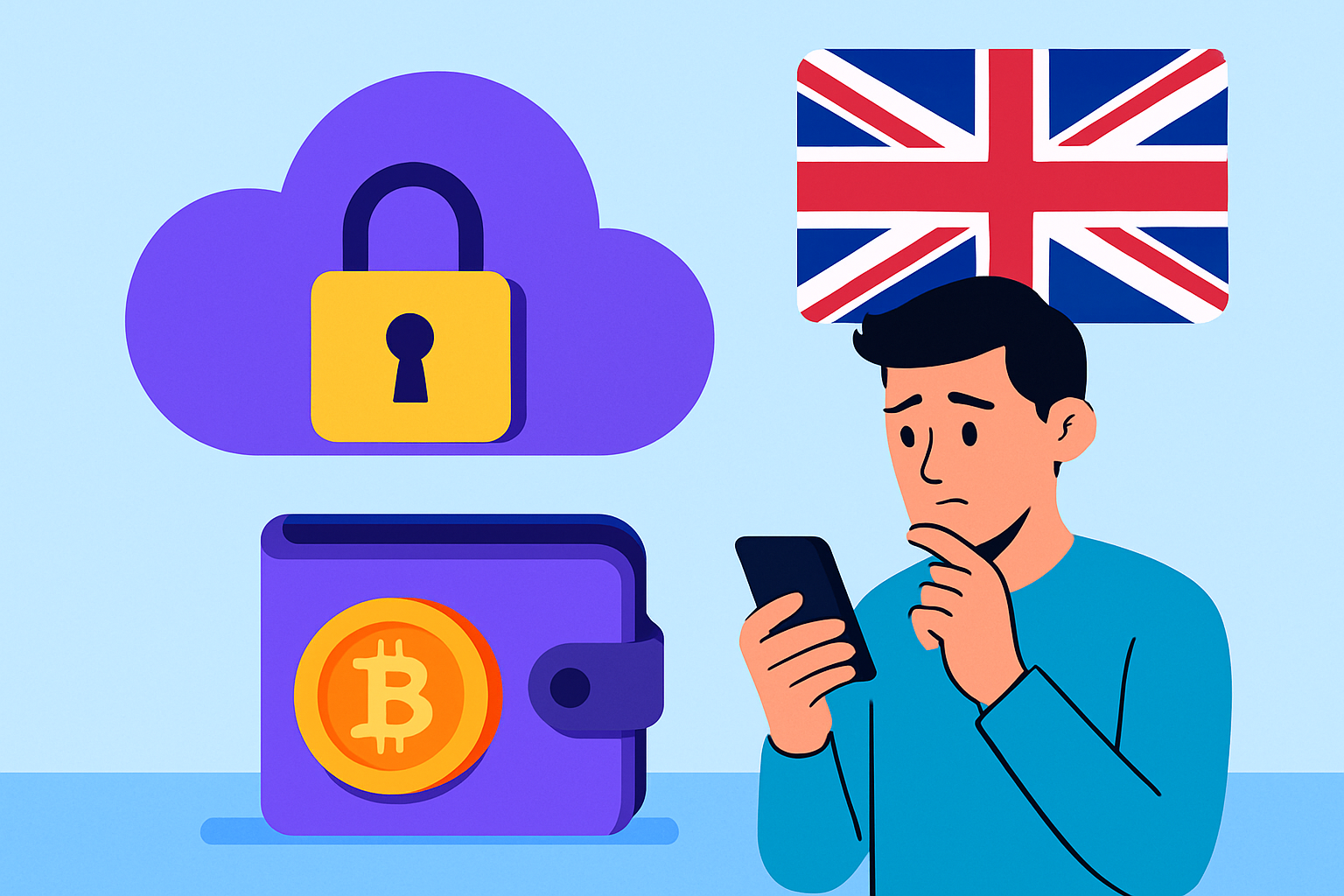
The UK's renewed demand for an iCloud backdoor has sent ripples through both the tech and crypto communities. In early October 2025, the UK government issued a fresh Technical Capability Notice (TCN), once again pressuring Apple to provide access to encrypted iCloud data belonging to UK users. This move follows months of debate and a previous, broader mandate that Apple successfully resisted in August 2025 after heavy pushback from US lawmakers. Now, the scope is narrowed but the implications for crypto wallet security remain profound.

Why the UK’s iCloud Backdoor Order Puts Crypto Wallets at Risk
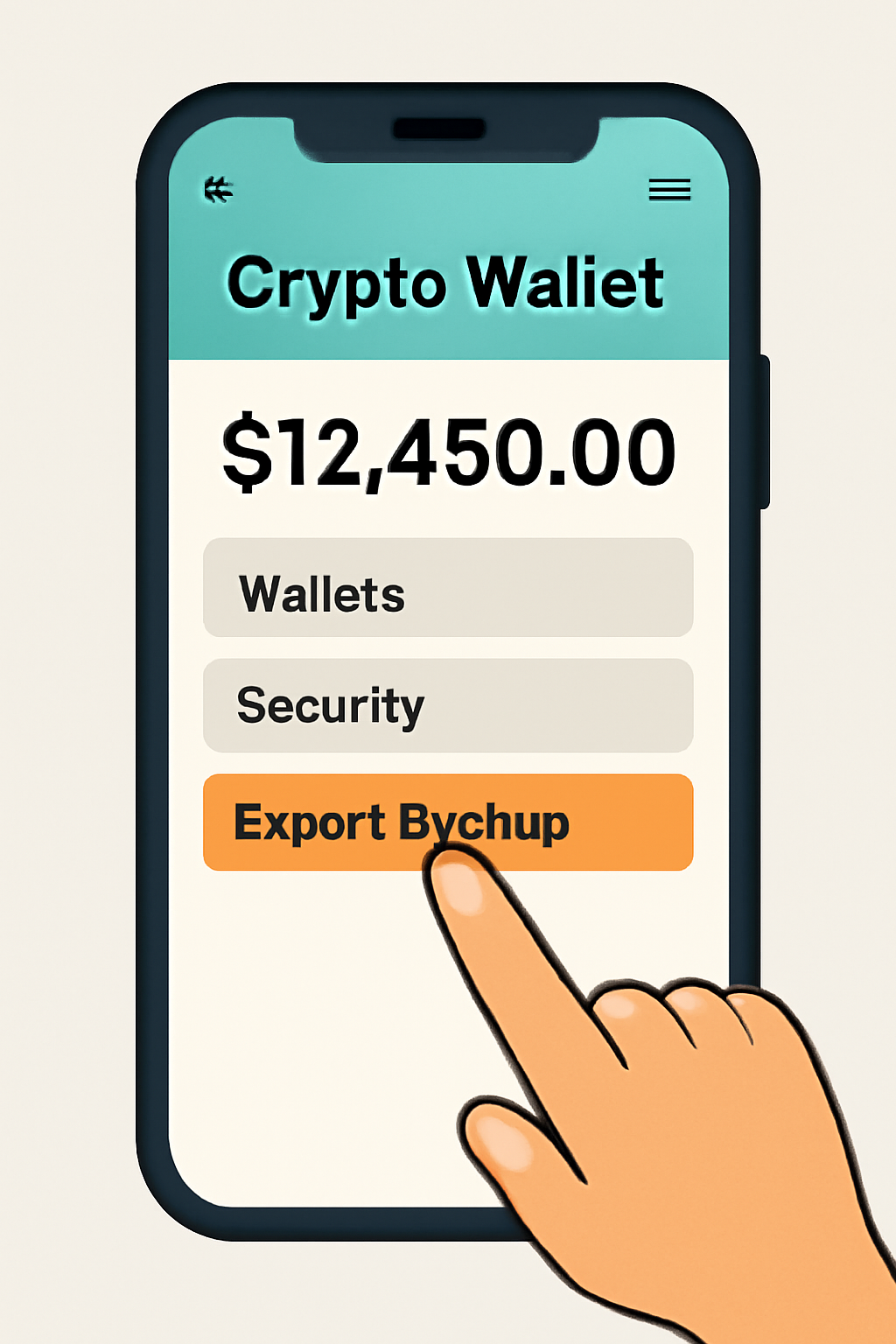
Many cryptocurrency holders rely on Apple devices and iCloud backups for convenience and peace of mind. However, this reliance comes with hidden dangers. Crypto wallets often store private keys - essentially the master password to your digital assets - within app data that can be automatically backed up to iCloud. If Apple is compelled to create a backdoor for UK authorities, it could open up a dangerous vulnerability: not just for government access, but potentially for hackers if such a backdoor is ever discovered or leaked.
Apple has historically refused to weaken device security, arguing that creating any form of backdoor undermines privacy for all users. When first pressured in January 2025, Apple responded by withdrawing its Advanced Data Protection (ADP) feature from UK users in February - a move widely criticized by privacy advocates as increasing risk rather than enhancing safety. (source) Now, with renewed government pressure, crypto users are once again caught in the crossfire between national security and personal privacy.
Expert Warnings: Backdoors Don’t Stay Secret
The fundamental problem with any mandated backdoor is simple: vulnerabilities introduced intentionally can be exploited unintentionally. Security professionals have repeatedly warned that even if designed for legitimate law enforcement use, these weaknesses rarely remain exclusive to their intended audience. Once a method exists to bypass encryption, it becomes a target - not just for governments but also cybercriminals and hostile actors worldwide.
This isn’t theoretical concern; history is filled with examples where government-mandated access tools were leaked or repurposed by malicious groups. For crypto holders who use cloud backups out of convenience or habit, this means their private keys could be exposed far beyond their control.
Key Risks of the UK's iCloud Backdoor for Crypto Wallet Users
- Exposure of Private Keys: If Apple is compelled to provide backdoor access to iCloud, private keys stored in encrypted wallet backups could be accessed by authorities or potentially leaked, putting users' digital assets at risk.
- Increased Vulnerability to Cyberattacks: Any backdoor created for government access can also be exploited by hackers, increasing the risk of large-scale breaches and theft of crypto assets.

- Loss of User Control Over Assets: With government-mandated access, users lose exclusive control over their wallets, undermining one of the core principles of cryptocurrency ownership.

- Precedent for Future Surveillance: The UK’s move could set a global precedent, encouraging other governments to demand similar access, further eroding privacy and security for crypto users worldwide.
- Disabling of Advanced Data Protection (ADP): Apple’s removal of Advanced Data Protection for UK users means iCloud backups are less secure, making crypto wallet backups more susceptible to unauthorized access.

What Crypto Buyers Need To Know Right Now
If you’re buying or holding cryptocurrency in the UK - or even if you’re simply using an Apple device that backs up data via iCloud - you need to reassess your storage habits immediately. The current legal standoff may seem technical or distant, but its practical impact could be severe:
- Your private keys may no longer be truly private if stored anywhere connected to iCloud under current or future policies.
- Government intervention could set global precedents, prompting other jurisdictions to demand similar access from tech giants.
- The mere existence of a backdoor increases attack surface, making every user more vulnerable regardless of intent.
This situation underscores why best practices like self-custody and offline backups are so critical in today’s environment. Even if you trust Apple’s intentions or believe your data isn’t interesting to authorities, any weakening of encryption puts everyone at risk.
The Bigger Picture: Privacy vs Security in Crypto Storage
The tension between privacy advocates and national security agencies isn’t new - but as more financial value migrates into digital assets like Bitcoin and Ethereum, the stakes have never been higher. The UK's push highlights how quickly regulatory winds can shift and why robust personal security measures are non-negotiable for anyone serious about protecting their portfolio.
For cryptocurrency buyers and holders, the current UK iCloud backdoor debate is more than a policy dispute. It’s a wakeup call to re-examine your entire approach to digital asset security. While Apple continues to resist government pressure, the mere possibility of enforced access should prompt immediate action from anyone storing wallet credentials or seed phrases in the cloud.
It’s not just about whether you have something to hide. The reality is that centralized storage solutions create single points of failure. If a backdoor exists for authorities, it can exist for hackers too. And while the UK’s Technical Capability Notice currently targets only UK users, history suggests that once such mechanisms are built, their use often expands, sometimes quietly, sometimes rapidly.
Practical Steps: Protecting Your Crypto Wallets in an Uncertain Regulatory Climate
So what can you do right now? The good news is that there are established best practices for crypto storage that minimize reliance on vulnerable cloud services:
How to Secure Your Crypto Wallet Without Relying on iCloud: A Step-by-Step Guide

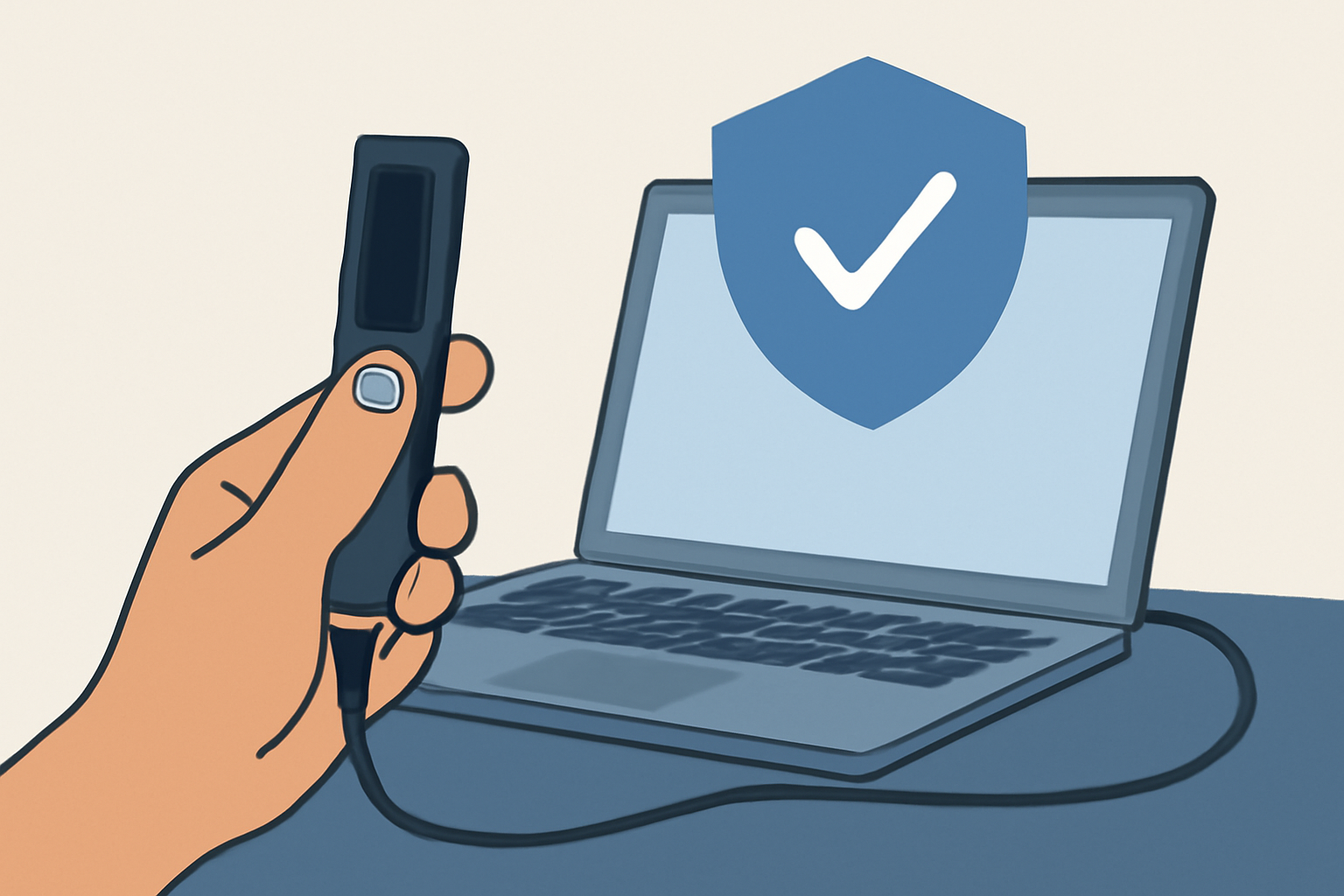

- Use hardware wallets for long-term storage of significant assets. These keep private keys offline and immune from cloud-based threats.
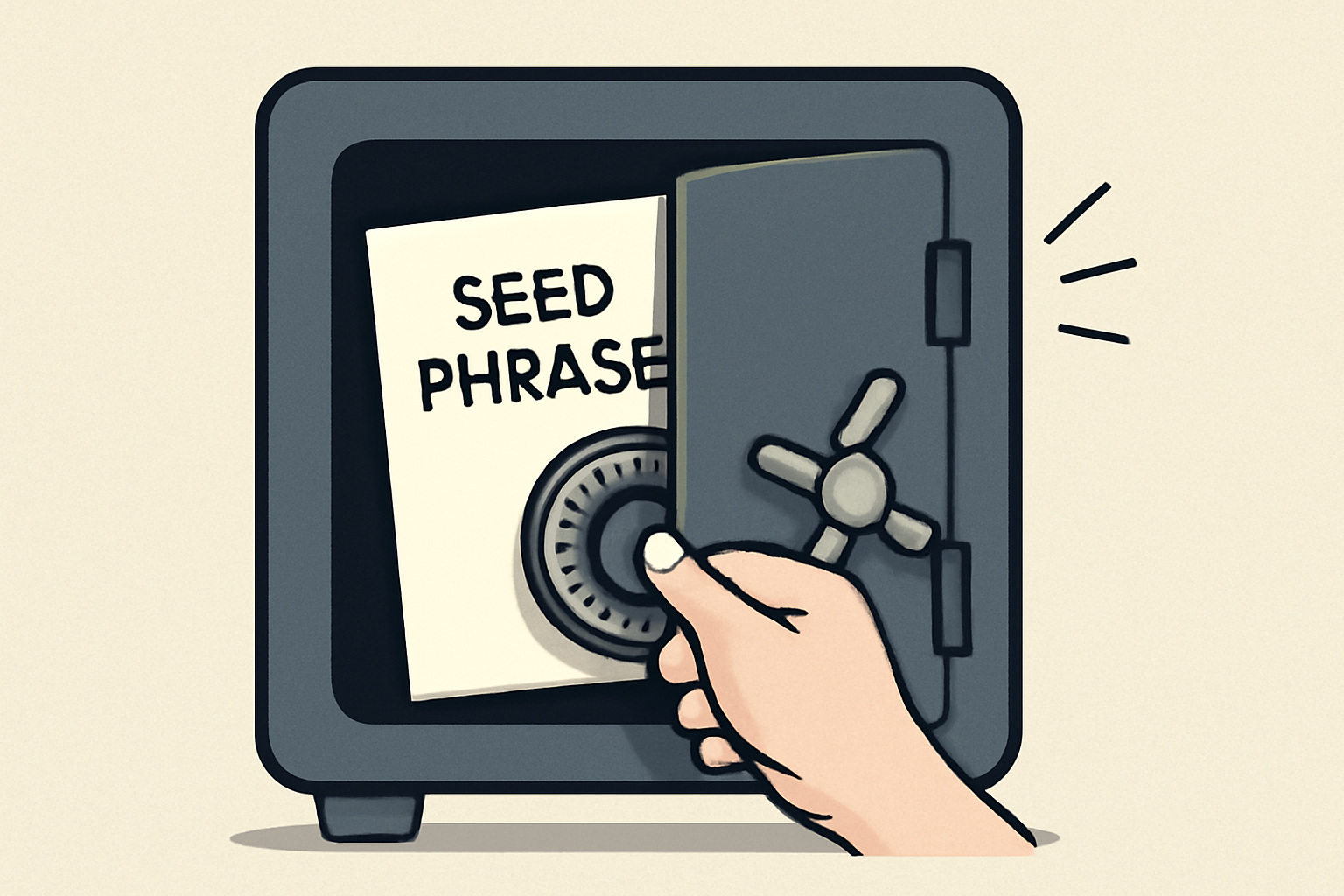
- Create encrypted local backups (not synced with iCloud or similar services) and store them securely, ideally in multiple physical locations.
- Regularly audit your device settings. Disable automatic cloud backups for any apps containing sensitive data or private keys.
- Stay informed about legal changes. Regulatory environments shift quickly; what’s safe today may be risky tomorrow.
The UK’s renewed push is also a reminder that security is not set-and-forget. As governments recalibrate their posture toward encryption, crypto investors must remain agile and proactive, especially when storing assets that could be targeted by both state actors and cybercriminals.
What Happens Next? Navigating the Road Ahead
The standoff between Apple and UK authorities will likely continue to evolve. Apple has yet to issue an official response to this latest TCN, but its previous actions suggest it will fight hard against any mandate that weakens user privacy globally. Meanwhile, regulators around the world are watching closely, the outcome here could influence similar debates in other countries.
If you’re serious about safeguarding your digital assets, now is the time to take control:
- Don’t rely solely on tech giants or governments for your security strategy.
- Educate yourself about self-custody solutions and stay engaged as these issues develop.
This moment marks a critical inflection point in the ongoing battle between privacy, security, and regulatory oversight. Whether you’re new to crypto or managing a sizable portfolio, your vigilance, and your willingness to adapt, will define your financial resilience in an increasingly complex landscape.




No comments yet. Be the first to share your thoughts!