
Bitcoin ETF flows drive 2026 momentum
Institutional capital is no longer knocking on the door; it has taken up residence. Spot Bitcoin ETFs have become the primary engine for market liquidity in 2026, shifting the narrative from speculative retail frenzy to structured institutional allocation. This influx provides a more stable entry point for everyday investors, buffering the market against the extreme volatility that characterized earlier crypto cycles.
The sheer volume of assets under management in these funds signals a maturation of the asset class. Major financial institutions are now custodians of billions in Bitcoin, creating a floor of demand that absorbs supply shocks more effectively than in previous years. This structural change means that price discovery is increasingly tied to traditional market hours and regulatory clarity, rather than the 24/7 whims of crypto-native exchanges.
For retail participants, this shift offers a critical advantage: accessibility without the friction of self-custody. By buying into an ETF, investors gain exposure to Bitcoin’s price action while relying on established brokerage infrastructure. It removes the technical barriers of wallet management and private key security, allowing capital to flow in through familiar financial channels.
The data reflects this steady accumulation. While short-term price movements remain sensitive to macroeconomic news, the underlying trend shows consistent net inflows during periods of market stability. This suggests that ETFs are serving their intended purpose: bridging the gap between traditional finance and digital assets.
Spot Ethereum and Solana ETF impacts
The approval of spot Ethereum and Solana ETFs has shifted institutional focus from Bitcoin’s dominance to a broader multi-asset crypto portfolio. This diversification allows large capital allocators to hedge against Bitcoin-specific volatility while capturing the growth potential of smart contract platforms. The entry of these assets into traditional brokerage accounts has lowered the barrier for institutional participation, creating a new layer of cross-asset liquidity that stabilizes the broader market.
As these ETFs begin trading, their daily volumes and asset under management (AUM) metrics provide real-time data on institutional appetite. Comparing these metrics against Bitcoin’s established figures highlights the maturation of the crypto asset class. The following table outlines the key performance indicators for the top ETFs in each category, illustrating the scale of current institutional engagement.
| Asset | AUM (Est.) | Avg. Daily Vol | Expense Ratio |
|---|---|---|---|
| Bitcoin (BTC) | $85B+ | $3.2B | 0.25% |
| Ethereum (ETH) | $12B+ | $850M | 0.25% |
| Solana (SOL) | $2.5B+ | $420M | 0.25% |
This expansion of available assets does not just increase options; it integrates crypto more deeply into traditional finance infrastructure. The presence of multiple spot ETFs creates a more resilient market structure where liquidity can flow between assets during periods of stress. As regulatory clarity improves, we expect these secondary ETFs to attract steady inflows from pension funds and endowments seeking exposure beyond Bitcoin.
The correlation between these new ETFs and traditional risk assets remains a critical factor for investors. While Bitcoin often moves with tech stocks, Ethereum and Solana show varying degrees of independence, offering genuine diversification benefits. Monitoring the volume trends of these specific ETFs provides a clearer picture of long-term institutional conviction than price action alone.
Top crypto assets for 2026 portfolios
Bitcoin remains the anchor for any crypto allocation in 2026. The approval of spot Bitcoin ETFs has transformed the asset from a speculative niche into a regulated institutional holding. This shift provides a layer of security and accessibility that did not exist in previous cycles. For investors seeking the highest probability of long-term value preservation, Bitcoin is the primary entry point.

Ethereum: The Infrastructure Play
Ethereum stands as the second pillar of a balanced crypto portfolio. Its transition to proof-of-stake and the subsequent launch of spot Ethereum ETFs have solidified its role as the foundational layer for decentralized finance and smart contracts. While Bitcoin captures store-of-value narratives, Ethereum captures the utility and development activity of the broader web3 ecosystem. Its deflationary mechanics during high-usage periods add a unique supply dynamic that distinguishes it from traditional assets.
Solana: High-Performance Alternative
Solana has emerged as a leading alternative for investors seeking exposure to high-throughput blockchain technology. With transaction speeds that rival traditional payment networks and significantly lower fees, it has attracted a robust developer community and growing user base. The network’s resilience through past outages has improved, making it a viable candidate for applications requiring real-time data processing. It serves as a high-beta complement to Bitcoin and Ethereum in a diversified strategy.
XRP: Institutional Liquidity
XRP offers a distinct value proposition focused on cross-border payments and institutional liquidity. Its partnerships with major financial institutions and clarity in regulatory status position it as a bridge asset for traditional finance entering the crypto space. Unlike programmable smart contract platforms, XRP’s utility is narrowly defined but highly impactful in the remittance sector. It provides a different risk profile, often moving independently of broader market trends driven by tech adoption.
Technical Context
Monitoring the technical structure of these assets is essential for timing entries. The following chart illustrates Bitcoin’s recent price action, highlighting key support and resistance levels that often dictate broader market sentiment.
Secure Your Investment
Owning crypto requires more than just buying the asset; it requires securing it against digital threats. For long-term holders, hardware wallets provide an offline storage solution that is immune to online hacks. Additionally, educating yourself on security best practices is as important as the investment itself. The following products are essential for maintaining control over your digital assets.


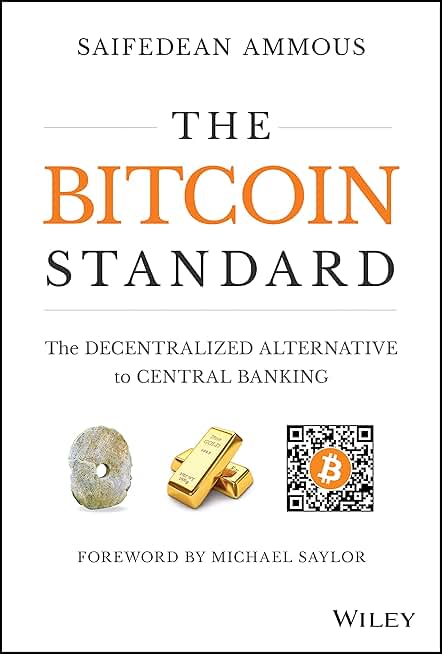
As an Amazon Associate, we may earn from qualifying purchases.
Regulatory clarity boosts institutional trust
The regulatory landscape for Bitcoin ETFs has shifted from ambiguous gray areas to defined frameworks in 2026. This transition is not merely bureaucratic; it provides the legal certainty that large-scale capital requires. When rules are clear, institutions can allocate funds without fearing sudden enforcement actions or compliance pitfalls. This stability is the bedrock of a mature market.
Clarity reduces the risk premium that institutional investors previously demanded. With established guidelines from major regulators, banks and asset managers can integrate Bitcoin ETFs into standard portfolios alongside equities and bonds. This integration brings deeper liquidity and reduces the extreme volatility that characterized earlier crypto cycles. For retail buyers, this means a more predictable market environment where prices reflect broader economic factors rather than regulatory panic.
The impact is visible in the steady inflows into spot Bitcoin ETFs throughout 2026. Unlike the speculative frenzy of 2021, current growth is driven by long-term institutional allocation strategies. This shift signals that Bitcoin is increasingly viewed as a standard asset class rather than a speculative experiment.
The result is a market that is more resilient to shocks. While price fluctuations remain, the underlying structure is stronger. Institutional trust acts as a stabilizer, smoothing out the wild swings that often deter conservative investors. As regulatory clarity continues to deepen, the barrier to entry for traditional finance lowers, further solidifying Bitcoin's role in modern portfolios.
Is 2026 a good time to invest in crypto?
The short answer is yes, but with caution. 2026 is shaping up to be a year where the industry's foundational work begins to pay off. Unlike 2025, which saw price under-delivery despite strong fundamental progress, the current environment offers clearer regulation and expanding institutional access.
Macroeconomic liquidity is improving, providing a tailwind for risk assets. Bitcoin currently trades around $61,949, significantly below its 52-week high of $126,198. This gap suggests room for growth, though volatility remains a constant factor.
For those considering entry, the focus should shift from speculative hype to regulatory clarity and long-term utility. The groundwork laid in previous years is finally creating a more stable, albeit still risky, investment landscape.
No comments yet. Be the first to share your thoughts!