
Why 2026 favors institutional crypto
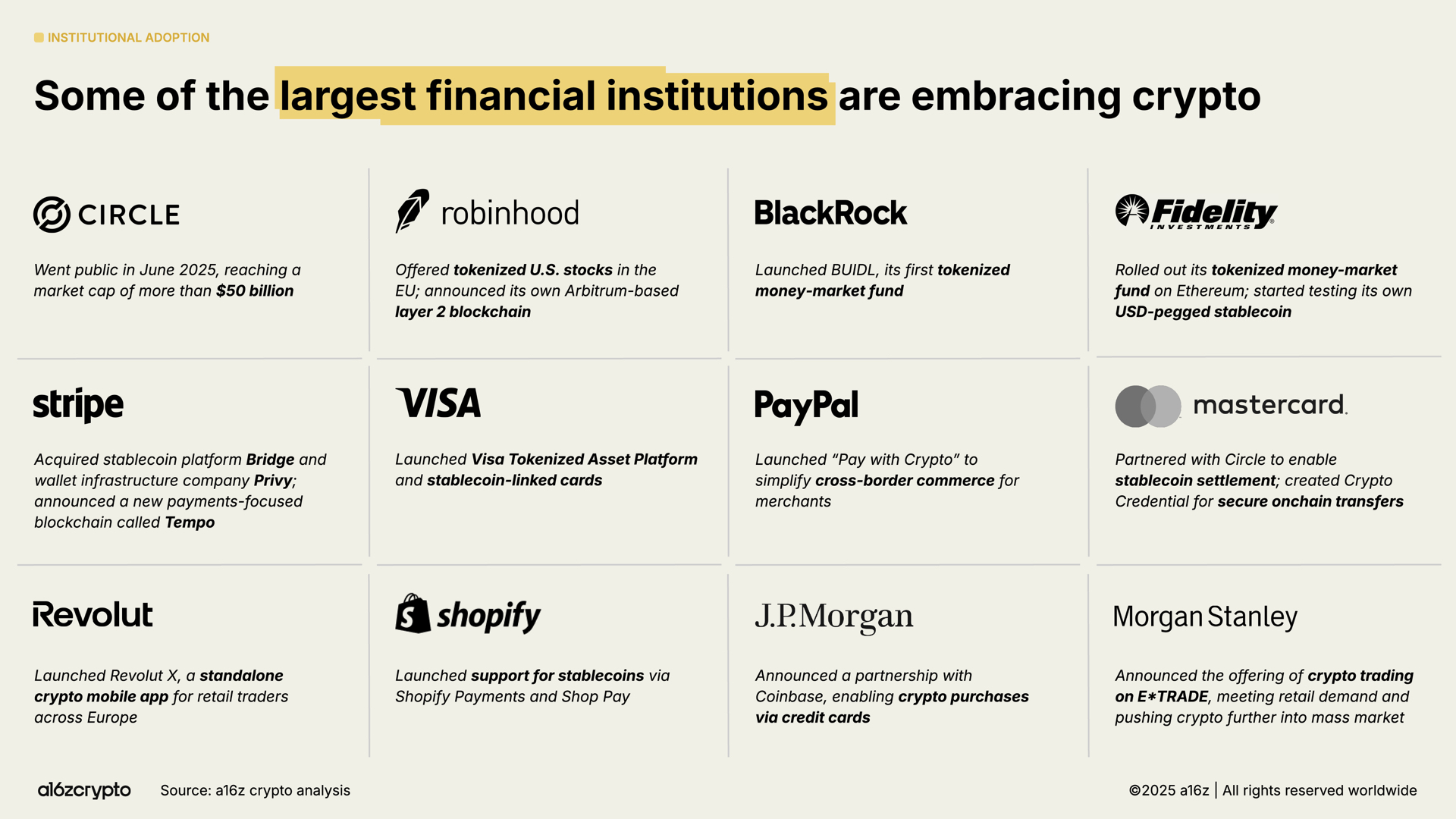
The 2026 market is defined by a structural pivot. The era of retail speculation is giving way to institutional infrastructure, where asset selection is driven by custody, regulation, and integration rather than hype. For those looking to buy crypto in 2026, the primary driver is no longer viral momentum but the reliability of the underlying financial rails.
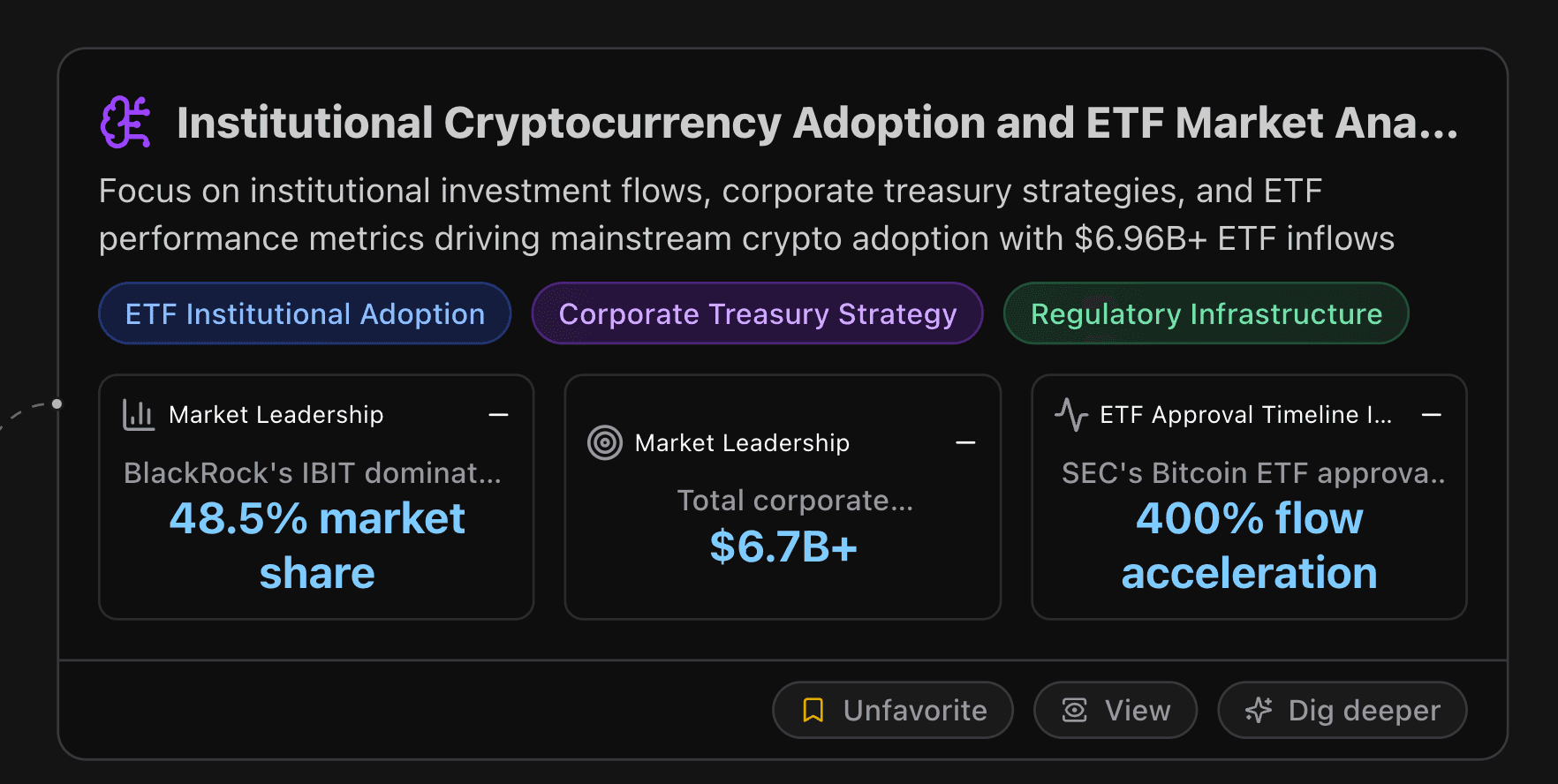
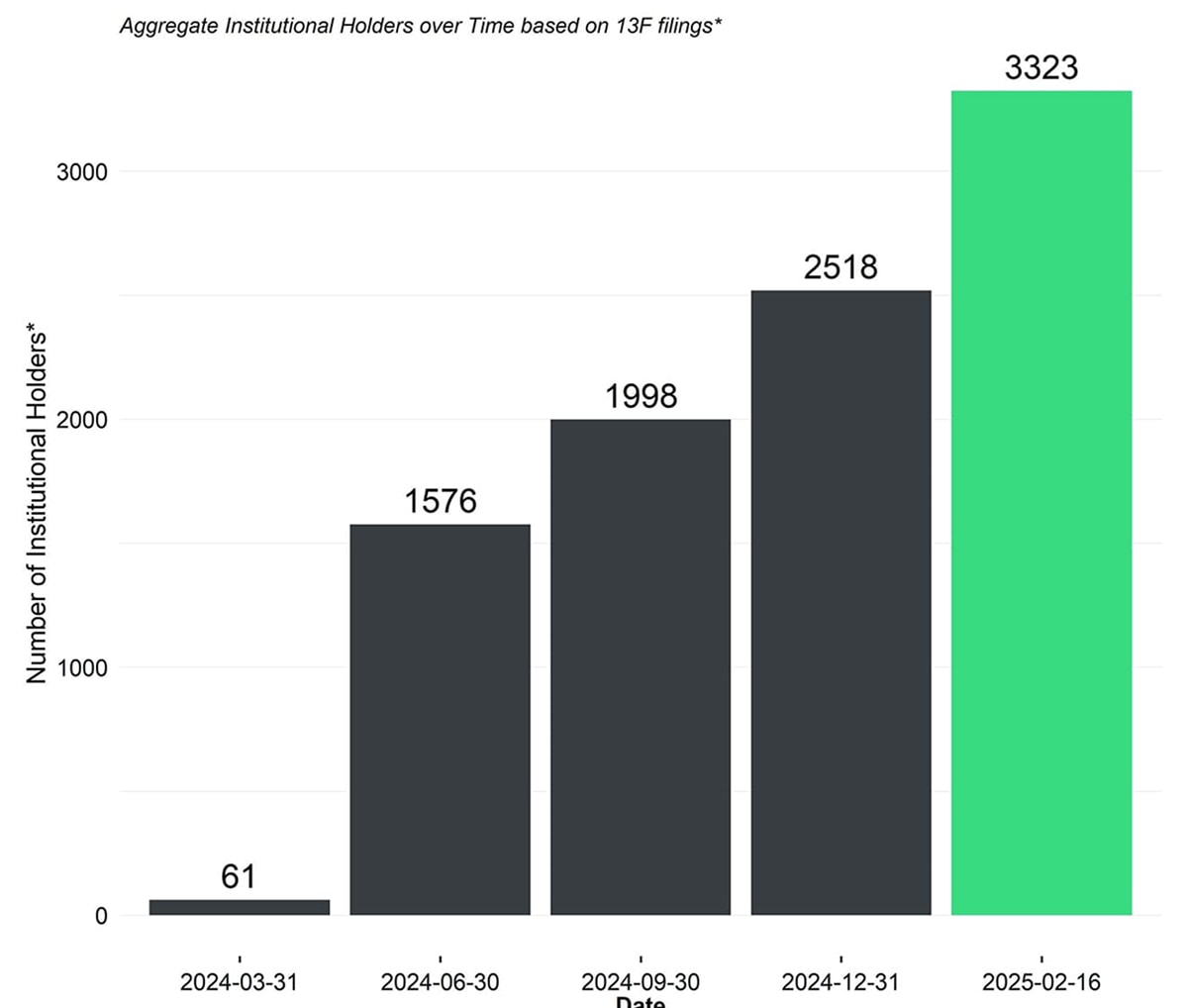
This shift is visible in the capital flows. Major financial institutions are deploying capital through regulated vehicles, prioritizing assets with clear legal status and robust security protocols. The market is consolidating around a few key themes: spot exchange-traded funds (ETFs) that provide regulated exposure, institutional-grade custody solutions, and blockchain networks that support enterprise-grade applications.
Fidelity and Coinbase research suggests that this institutionalization creates a more stable, albeit slower-moving, market environment. While retail cycles often follow a four-year pattern, the institutional presence adds a layer of durability that smooths out extreme volatility. As Fidelity notes, understanding these themes is essential for navigating the current landscape, where the "obvious answer" often lies in assets that have already passed the regulatory muster.
The divergence between retail sentiment and institutional inflows is stark. Retail traders may chase new narratives, but institutional capital is flowing into established networks with proven track records. This means that for 2026, the most viable strategy is to focus on assets that serve as the backbone of this new financial infrastructure.
This structural change does not eliminate risk, but it does change the nature of the risk. The focus is now on counterparty risk, regulatory compliance, and technological resilience. For investors, this means that due diligence must extend beyond price charts to include an understanding of the legal and operational frameworks supporting each asset.
Bitcoin and Ethereum: The safe harbor plays
As the 2026 market matures, institutional capital is increasingly funneling into established assets rather than speculative altcoins. Bitcoin (BTC) and Ethereum (ETH) have solidified their positions as the foundational holdings for any serious portfolio, driven by their regulatory clarity and widespread adoption through spot ETFs. For investors navigating the "buy crypto 2026" landscape, these two assets offer the most reliable exposure to the digital asset class.
Bitcoin remains the primary store of value, often described as "digital gold," while Ethereum serves as the backbone for decentralized finance and smart contracts. The approval of spot ETFs has lowered the barrier to entry for traditional finance firms, allowing them to gain exposure without the operational complexities of self-custody. This institutional validation has reduced volatility compared to earlier cycles, making BTC and ETH safer harbor plays in an otherwise turbulent market.
The following comparison highlights the structural differences between these two leaders, helping investors decide how to allocate capital based on their risk tolerance and strategic goals.
| Metric | Bitcoin (BTC) | Ethereum (ETH) |
|---|---|---|
| Primary Role | Store of Value | Smart Contract Platform |
| ETF Status | Approved (Spot) | Approved (Spot) |
| Institutional Adoption | High (Treasury Holdings) | Medium-High (DeFi Infrastructure) |
| Market Cap Rank | #1 | #2 |
| Key Risk | Regulatory Classification | Network Congestion & Scaling |
While both assets benefit from ETF approvals, their underlying value propositions differ. Bitcoin’s scarcity model appeals to those seeking protection against inflation and currency devaluation. Ethereum’s utility in powering decentralized applications makes it a critical infrastructure play for the future of the internet. Investors looking to buy crypto 2026 should consider a balanced allocation between these two to mitigate risk while capturing upside.
For those choosing to hold these assets long-term, secure storage is paramount. Hardware wallets provide an offline layer of security that protects against exchange hacks and phishing attempts. The following products are highly rated by security experts for safeguarding your digital assets.


As an Amazon Associate, we may earn from qualifying purchases.
The transition to an institutional era does not eliminate risk, but it does provide a more stable framework for participation. By focusing on Bitcoin and Ethereum, investors can align themselves with the assets most likely to define the next phase of crypto adoption. As market dynamics shift in 2026, maintaining a core position in these safe harbor plays remains a prudent strategy.
High-growth altcoins for 2026 expansion
The 2026 institutional cycle shifts focus from speculative retail momentum to infrastructure with measurable utility. For investors targeting the best crypto to buy now, the priority is identifying protocols that handle real-world asset tokenization, decentralized data storage, and cross-chain interoperability. These sectors form the backbone of enterprise-grade blockchain adoption.
Ethereum remains the primary settlement layer for institutional DeFi. Its transition to proof-of-stake has reduced energy consumption, aligning with ESG mandates required by large asset managers. As the base layer for tokenized real-world assets, ETH benefits directly from Fidelity and BlackRock’s increasing involvement in blockchain custody. The network’s developer activity consistently leads the market, ensuring long-term protocol resilience.
Solana has emerged as the high-throughput alternative for consumer-facing applications and decentralized exchanges. Its speed and low transaction costs make it ideal for high-frequency trading and micro-transactions that Ethereum’s base layer cannot handle efficiently. Institutional interest is growing as major payment processors integrate Solana for faster settlement times, positioning it as a critical infrastructure play for 2026.
Chainlink provides the essential oracle infrastructure that connects smart contracts to real-world data. Without reliable external data feeds, automated financial contracts cannot function. As tokenization expands into traditional finance, the demand for secure, decentralized oracles scales proportionally. LINK acts as the bridge between legacy financial systems and blockchain efficiency, making it a foundational component for any diversified crypto portfolio.


As an Amazon Associate, we may earn from qualifying purchases.
How to buy crypto safely in 2026
Purchasing digital assets in 2026 requires a shift from retail convenience to institutional-grade security. As regulatory frameworks tighten and market volatility persists, the margin for error shrinks. The process of buying crypto in 2026 is no longer just about finding the lowest fee; it is about establishing a secure chain of custody from exchange to storage.
Prioritize platforms with transparent compliance records and substantial capital reserves. In 2026, the stability of the exchange itself is as critical as the assets it holds. Look for entities that have undergone rigorous audits and maintain clear segregation of client funds, ensuring your capital is protected even if the platform faces operational stress.

Do not rely on SMS-based verification, which is vulnerable to SIM-swapping attacks. Instead, use hardware-based authenticators like YubiKeys or dedicated authenticator apps. This step creates a physical barrier against remote hacking attempts, adding a layer of security that is essential for protecting significant financial positions.
Leaving large holdings on an exchange is akin to keeping cash in a mattress during a bank run. Move your assets to a cold storage device that keeps private keys offline. This ensures that even if your computer is compromised, your funds remain inaccessible to attackers. Security hardware is a non-negotiable cost of doing business in the institutional era.


As an Amazon Associate, we may earn from qualifying purchases.
The transition to self-custody is the final, critical step in buying crypto safely. It transfers the responsibility of security from a third-party corporation to you. While this requires discipline and technical attention, it is the only way to guarantee true ownership of your assets in a decentralized financial system.
No comments yet. Be the first to share your thoughts!