
Market outlook for 2026
The crypto market in 2026 is defined by a sharp tension between institutional integration and cyclical volatility. While spot ETFs have normalized cryptocurrency exposure for traditional portfolios, the underlying asset remains bound by the historical four-year cycle that has dictated Bitcoin’s trajectory for over a decade. Understanding where we sit within that rhythm is essential before committing capital.
According to analysis from Fidelity, if Bitcoin’s historical patterns hold, the market could be approaching a cyclical bottom around November 2026. This projection suggests that the current period may represent a accumulation zone rather than a peak, offering a potential entry point for investors willing to tolerate near-term noise. Conversely, Coinbase’s 2026 market outlook highlights that regulatory progress and technological shifts are accelerating institutional adoption, creating a floor of demand that did not exist in previous cycles.
Despite recent price swings, prominent voices like Bitwise CIO Matt Hougan argue for maintaining cryptocurrency exposure in diversified portfolios. The strategy is not to chase short-term momentum, but to position for the eventual resumption of the bull market cycle. As we look at the long-term chart below, the current price action sits within a broader context of consolidation, setting the stage for the next major move.
Institutional ETF trends shaping prices
The entry point for institutional capital has shifted from opaque over-the-counter desks to regulated spot ETFs, creating a new baseline for market stability. These vehicles allow traditional asset managers to gain exposure without holding private keys, effectively capping the speculative excesses that defined previous cycles. As Morningstar notes, this structural change encourages a diversified approach rather than binary all-in bets, altering how volatility is absorbed by the broader market.
The regulatory environment remains a variable, not a guarantee. Recent legislative impasses highlight that while the infrastructure for institutional participation is now in place, the legal framework continues to evolve. This uncertainty means that while ETFs provide a smoother ride, they do not eliminate the underlying risk of the asset class.
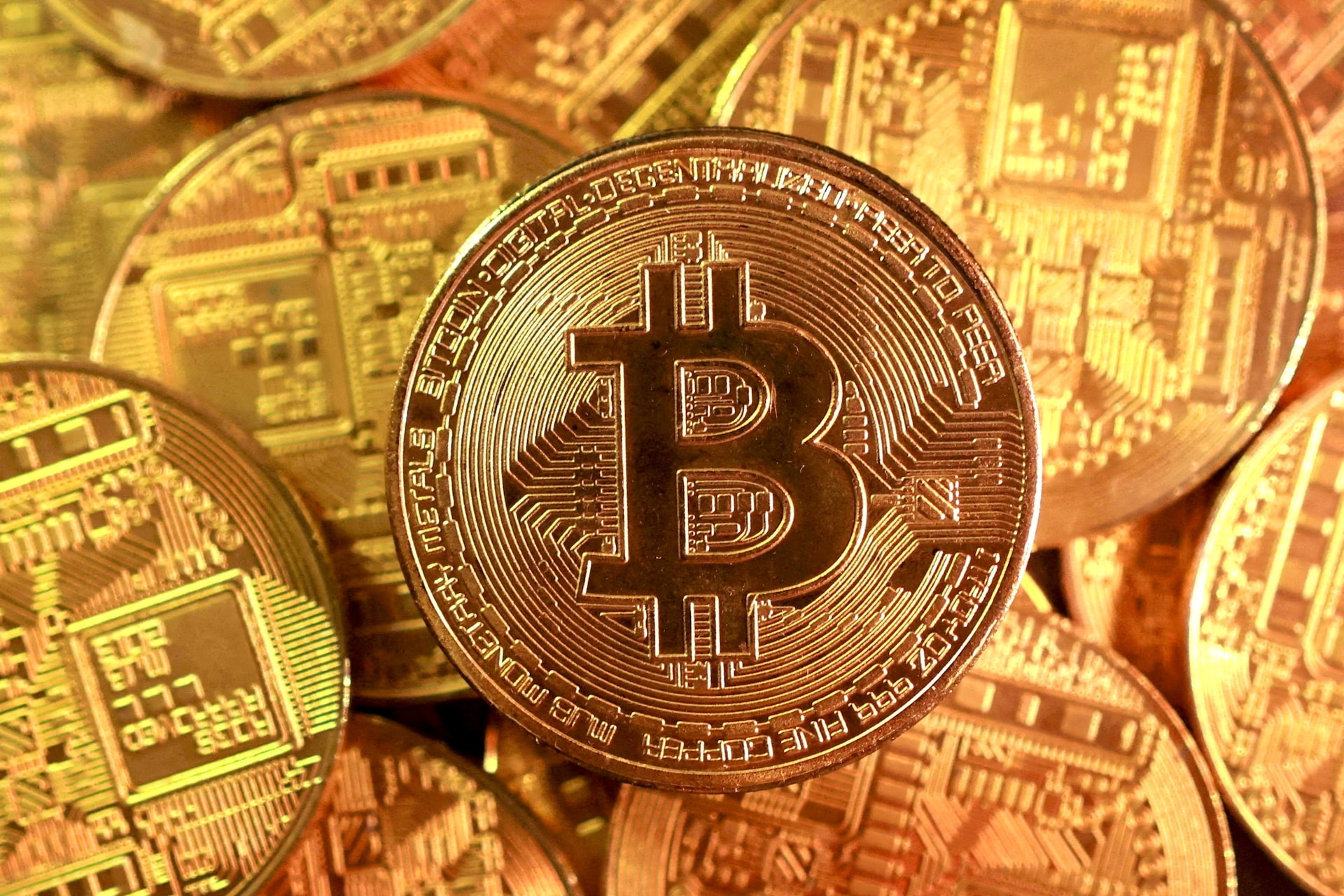
To understand the current landscape, it is useful to compare the traditional mechanisms of crypto acquisition with the modern ETF approach. The table below outlines the operational differences that define the 2026 market.
| Feature | Spot ETF | Direct Holding | Traditional Stock |
|---|---|---|---|
| Custody | Third-party custodian | Self-custody or exchange | Brokerage/DTC |
| Regulatory Oversight | SEC-regulated | Varies by jurisdiction | SEC-regulated |
| Tax Reporting | Automated (1099) | Manual tracking | Automated (1099) |
| Volatility Exposure | High, but smoother | High, binary risk | Moderate |
The live price action of Bitcoin and Ethereum reflects this maturation. While the assets remain volatile, the presence of institutional flows through ETFs has introduced a layer of liquidity that was absent in 2017 or 2021. This does not mean the risks are gone; it means they are now priced into a more transparent market.
For investors, the key takeaway is that buying crypto in 2026 is less about speculation and more about asset allocation. The infrastructure is robust, the sources are official, and the risks are clear. Proceed with the same diligence you would apply to any high-stakes investment.
Timing entries with AI-driven analysis
Institutional capital no longer relies on intuition or basic sentiment scores to time market entries. The shift toward AI-driven analysis for entry timing reflects a broader institutional mandate: replace human bias with data-driven signals that process vast datasets in real time. This approach is particularly critical in crypto, where volatility can erase positions before human traders even register the trend change.
AI models now integrate on-chain metrics, order book depth, and macroeconomic indicators to identify optimal buying windows. Morningstar and Fidelity research increasingly cite algorithmic entry points as superior to static dollar-cost averaging during high-volatility regimes. These systems detect subtle anomalies—such as sudden changes in whale wallet movements or exchange inflow spikes—that precede significant price action by hours or days.
However, AI tools are not infallible. They excel in predictable market structures but struggle with black swan events where historical data offers no precedent. As the SEC notes in recent filings, automated trading systems must include human oversight to mitigate systemic risks during extreme market stress. Relying solely on algorithmic signals without understanding their limitations can lead to catastrophic losses when models encounter unprecedented conditions.
The most effective institutional strategies use AI as a filter, not a decision-maker. Traders use these tools to narrow down potential entry points, then apply their own judgment based on broader market context. This hybrid approach balances the speed of machine learning with the nuance of human experience, creating a more resilient entry strategy for the volatile crypto markets of 2026.
Best assets to buy in 2026
Selecting the right cryptocurrency for 2026 requires distinguishing between established infrastructure and high-growth speculation. The market has matured, with institutional capital flowing primarily through regulated ETFs and high-liquidity tokens. Your portfolio should reflect a clear risk tolerance, anchored by blue-chip assets while allocating a smaller portion to experimental altcoins.
Blue Chip Stability
Bitcoin remains the foundational anchor for any serious crypto portfolio. As the primary beneficiary of spot ETF inflows, it offers the lowest relative volatility and the strongest security network. It functions less like a tech stock and more like digital gold—a store of value that institutions use to hedge against fiat debasement. Ethereum follows as the primary settlement layer for decentralized finance, though its yield generation is now largely handled by staking protocols rather than simple holding.
Altcoin Growth
Solana and Cardano represent the high-performance layer-1 alternatives. Solana attracts retail volume and high-frequency trading due to its speed and low fees, while Cardano focuses on academic rigor and institutional partnerships. These assets carry significantly higher beta than Bitcoin; they can outperform during bull markets but suffer deeper drawdowns during corrections. Treat these as venture capital bets within your portfolio, not savings accounts.
Comparison of Top Assets
The table below contrasts the primary candidates based on institutional interest, risk profile, and market dominance.
| Asset | Category | Risk Level | Institutional Driver |
|---|---|---|---|
| Bitcoin (BTC) | Store of Value | Low | Spot ETFs, treasury reserves |
| Ethereum (ETH) | Smart Contracts | Medium | DeFi ecosystem, staking yields |
| Solana (SOL) | High-Performance L1 | High | Retail volume, memecoin activity |
| Cardano (ADA) | Academic L1 | Medium-High | Enterprise partnerships, governance |
Security and Storage
Owning crypto is only half the equation; securing it is the other. For long-term holds, hardware wallets are non-negotiable. Avoid keeping significant balances on exchanges, which remain vulnerable to hacks and regulatory freezes. The following equipment represents the standard for self-custody.


As an Amazon Associate, we may earn from qualifying purchases.
How to buy crypto safely in 2026
Buying Crypto works best when the purchase path is explicit. Verify the source, compare the offer against real alternatives, check the total cost, and confirm what happens after payment before you decide. After each comparison, write down the one risk that would change your mind. If the seller, condition, support, warranty, shipping, or upkeep still feels uncertain, resolve that question before moving to checkout.
-
Verify the sellerCheck reputation, included details, delivery terms, and return policy before treating the listing as credible.
-
Compare total costAdd shipping, accessories, maintenance, warranty, and likely replacement costs to the listed price.
-
Confirm fitMatch the option to the real use case before paying for features that will not matter.
No comments yet. Be the first to share your thoughts!