Pick a regulated exchange first
Before you deposit a single dollar, you need a platform that is legal, secure, and built for your region. Choosing a regulated exchange is the most important safety step in buying crypto. Unregulated platforms often lack insurance, customer support, or the ability to withdraw your funds during market stress.
Start by checking if the exchange is registered with your local financial regulator. In the United States, look for FinCEN registration and state money transmitter licenses. In the European Union, ensure the platform is registered with the relevant national competent authority under MiCA. This verification process takes only a few minutes but protects you from scams and insolvency risks.
Once you have confirmed the license, compare the platform’s fee structure and supported assets. Major exchanges like Coinbase or Kraken offer high liquidity and robust security measures, though they may charge higher fees for small transactions. Smaller regional exchanges might offer lower fees but often have limited customer support or withdrawal limits. Prioritize security features like two-factor authentication (2FA) and cold storage for the majority of user funds.
Avoid exchanges that promise guaranteed returns or pressure you to deposit quickly. Legitimate platforms are transparent about their risks and fees. If a platform feels opaque or overly aggressive, move on. Your first purchase should happen on a platform you trust with your long-term financial safety.
Fund your account securely
Moving fiat currency into your exchange wallet is the bridge between traditional finance and the crypto market. This step requires patience and precision, as banks and payment processors often flag cryptocurrency transactions as high-risk. A smooth transfer depends on using approved payment methods and verifying your identity upfront.
Enable two-factor authentication (2FA)
Before linking any bank account or card, secure your account with two-factor authentication. This adds a second layer of defense beyond your password, ensuring that even if your login details are compromised, your funds remain protected. Use an authenticator app like Google Authenticator or Authy rather than SMS, which is vulnerable to SIM-swapping attacks.
Choose a payment method
Most exchanges offer multiple ways to deposit funds. Bank wire transfers (ACH in the US) typically offer the lowest fees but may take 1-3 business days to clear. Credit and debit cards provide instant access to your funds but often incur higher processing fees ranging from 1% to 4%. Some platforms also support PayPal or Venmo integrations, though these may have stricter withdrawal limits. Select the method that balances speed and cost for your needs.
Verify your identity (KYC)
Regulatory compliance requires exchanges to perform Know Your Customer (KYC) checks. You will need to upload a government-issued ID and, in some cases, a proof of address document. This process can take anywhere from a few minutes to several days depending on the platform's verification queue. Completing this step early prevents delays when you are ready to make your first purchase.
Link your bank account
Connect your bank account using your routing and account numbers or via instant verification services like Plaid. Double-check all details before confirming, as incorrect information can result in failed transfers or frozen funds. Start with a small test deposit to ensure the connection works smoothly before transferring larger amounts.
-
Two-factor authentication enabled on email and exchange account
-
Government ID and proof of address ready for KYC verification
-
Bank account details verified with a small test deposit
-
Payment method selected based on fee and speed preferences
Choose between Bitcoin and altcoins
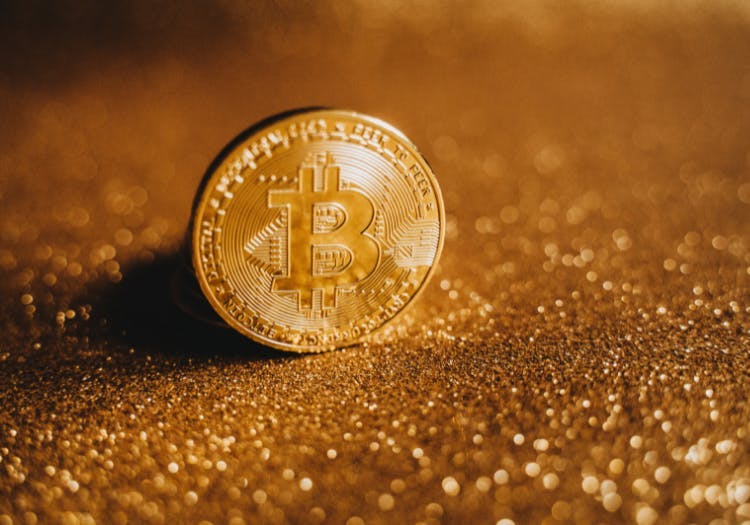
Selecting your first cryptocurrency involves weighing stability against potential growth. Bitcoin (BTC) operates as the market anchor, offering the most established track record and liquidity. It is generally viewed as a store of value or "digital gold," making it the standard entry point for beginners seeking lower relative risk.
Altcoins like Ethereum (ETH) and Solana (SOL) provide different utility. Ethereum supports smart contracts and decentralized applications, while Solana focuses on high-speed transactions. These assets often exhibit higher volatility, meaning they can grow faster than Bitcoin but also carry greater downside risk during market corrections.
The table below compares the three most prominent assets by market cap as of mid-2026. Use this to gauge which profile matches your risk tolerance.
| Asset | Primary Use | Volatility | Market Cap Rank |
|---|---|---|---|
| Bitcoin (BTC) | Store of Value | Lower | 1 |
| Ethereum (ETH) | Smart Contracts | Moderate | 2 |
| Solana (SOL) | High-Speed Transactions | High | 5 |
For most beginners, starting with Bitcoin allows you to learn the mechanics of buying, storing, and selling crypto without the extreme price swings common in smaller altcoins. Once comfortable, you can allocate a small portion of your portfolio to altcoins like Ethereum to explore broader blockchain utilities.
Execute your first trade carefully
Placing your first buy order is the moment theory meets reality. The interface will ask for a coin, an amount, and a payment method. Before you click "Buy," pause to choose the right order type and verify the fees. Most beginners lose money not because the coin drops, but because they pay too much or panic-sell during the first dip.
Choose a limit order over a market order
A market order buys immediately at the current best available price. In volatile markets, this often results in "slippage," where you pay significantly more than the chart shows. A limit order lets you set the exact maximum price you are willing to pay. If the market price drops to your limit, the trade executes. If it stays above, the order waits. This control prevents overpaying during sudden price spikes.
Verify fees before confirming
Exchanges make money on spreads and transaction fees. Some platforms advertise zero fees for deposits but charge high percentages on trades. Check the fee schedule for your specific payment method. Credit cards often carry a 3-4% convenience fee, while bank transfers are usually cheaper but slower. Factor this into your entry price; a 3% fee means your asset must rise 3% just for you to break even.
Start with a small, fixed amount
Do not try to time the market with a large sum on your first trade. Crypto is highly volatile. Allocate a small amount you are comfortable losing—such as $20 or $50—to learn the mechanics of the platform. This reduces emotional pressure and allows you to focus on the process of buying and storing the asset rather than watching every dollar fluctuate.
Store your crypto safely
Once you buy crypto, you must decide who holds the keys. Most beginners leave their assets on exchanges like Coinbase or Binance. This is convenient for trading, but it means you do not truly own the coins. If the exchange fails or gets hacked, you can lose everything. To keep your bitcoin safe, you need a secure storage solution.
Exchange vs. Self-Custody
Keeping funds on an exchange is like leaving cash in a checking account. You can access it instantly, but the bank controls it. Self-custody means you hold the private keys yourself. This gives you full control and eliminates counterparty risk. For long-term holdings, self-custody is the standard for safety. You can use a hardware wallet to store your keys offline, away from internet threats.
Hardware Wallets
A hardware wallet is a small physical device that stores your private keys offline. It looks like a USB drive and requires a PIN to use. Even if your computer is infected with malware, your funds remain safe because the device never shares your keys. Popular options include Ledger and Trezor. Always buy directly from the manufacturer to avoid tampered devices.
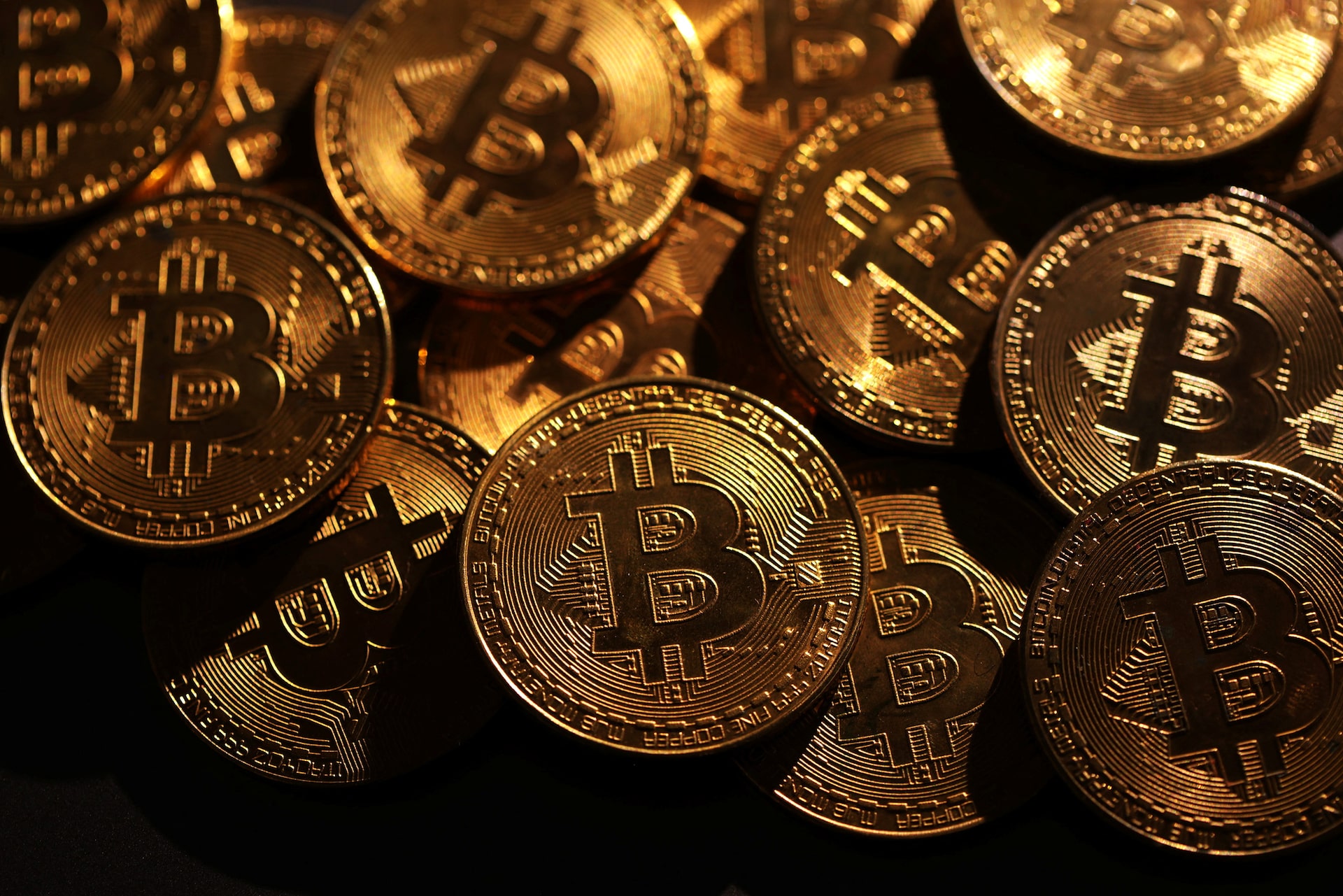
Recommended Hardware Wallets
Choosing the right hardware wallet is the most important step in securing your portfolio. These devices are designed specifically for safe self-custody.



As an Amazon Associate, we may earn from qualifying purchases.
Backup Your Recovery Phrase
No matter which wallet you choose, you must back up your recovery phrase. This is a list of 12 or 24 words that restores your funds if you lose the device. Write it down on paper and store it in a safe place. Never store it digitally or take a photo of it, as hackers can steal it from your cloud storage.
Frequently asked questions about buying crypto
These questions address common concerns for beginners entering the market in 2026. The answers focus on established market cycles and regulatory clarity rather than short-term speculation.
Put Is Now the Right Time to Buy Crypto in ? Key Market Trends and Safety Tips into practice
No comments yet. Be the first to share your thoughts!