

Crypto buyers are witnessing a dramatic shift in the payments landscape as USDT (Tether) surges to the forefront in 2025. With its price holding steady at $0.9998, just a fraction below its dollar peg, USDT has become the backbone of both digital and real-world transactions. But what’s truly driving this wave of adoption, and what do crypto users need to know as stablecoin infrastructure matures?
USDT’s Integration into Everyday Payments
The year 2025 marks a turning point for stablecoin adoption, with USDT leading the charge thanks to strategic moves that have embedded it deeply into traditional finance. One headline-grabbing example is Tether’s acquisition of a 70% stake in South American agricultural giant Adecoagro for approximately $600 million. This bold play isn’t just about diversification - it’s about integrating USDT directly into global commodities trading, slashing cross-border settlement times from days to seconds and reducing friction for businesses worldwide. (Reuters)
On the retail side, major platforms like PayPal have expanded their "Pay with Crypto" feature to include USDT among over 100 supported cryptocurrencies. U. S. merchants can now accept USDT payments with lower fees and near-instant settlement, a clear advantage over legacy card networks and wire transfers. (TechRadar)
“Stablecoins are on the cusp of mainstream adoption in 2025 as the US pushes forward with landmark legislation. ” – Deutsche Bank analysts (via CNN)
Why Are USDT Payments Surging?
The numbers tell the story: USDT now accounts for 80% of all stablecoin payments globally, cementing its dominance as both a settlement layer and liquidity provider in crypto markets. (Blockchain.News) But there’s more behind this momentum than just market share.
- Emerging Market Demand: In countries facing currency volatility or inflation, like India where USDT makes up 43% of all crypto purchases, stability is paramount. Locals are increasingly using USDT not just as an investment but as a daily transaction medium.
- Regulatory Clarity: Legislative advances such as the U. S. ’s GENIUS Act and Europe’s MiCA framework have given both users and institutions confidence to adopt stablecoins at scale.
- Evolving Infrastructure: Payment processors now offer seamless fiat-to-USDT conversion, while wallets integrate advanced security features tailored for stablecoin users.
The Benefits (and Risks) for Crypto Buyers
If you’re buying crypto or paying with digital assets in 2025, using USDT brings several unique advantages:
Key Benefits of Using USDT for Payments in 2025
- Seamless Integration with Traditional Payment Systems: In 2025, USDT has been actively embedded into conventional finance, notably through Tether’s 70% acquisition of Adecoagro. This move enables fast, cross-border payments for industries like global commodities trading, reducing settlement times from days to seconds.
- Widespread Merchant Acceptance: Major platforms such as PayPal’s “Pay with Crypto” now support USDT transactions, allowing U.S. merchants to accept payments in over 100 cryptocurrencies. This provides lower transaction fees and instant fund access for businesses.
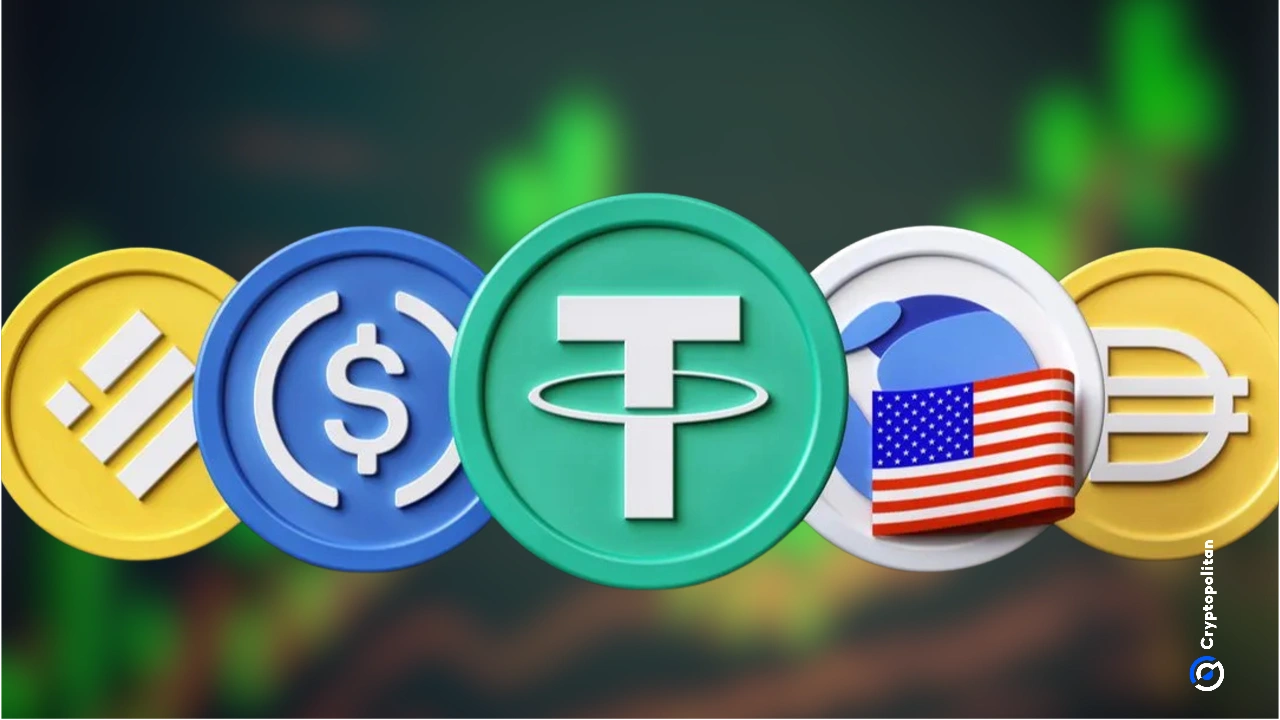
- Market-Leading Stablecoin for Transactions: USDT holds an 80% market share of all stablecoin payments, making it the dominant choice for crypto settlements and liquidity. Its widespread use enhances reliability and trust for buyers and sellers alike.
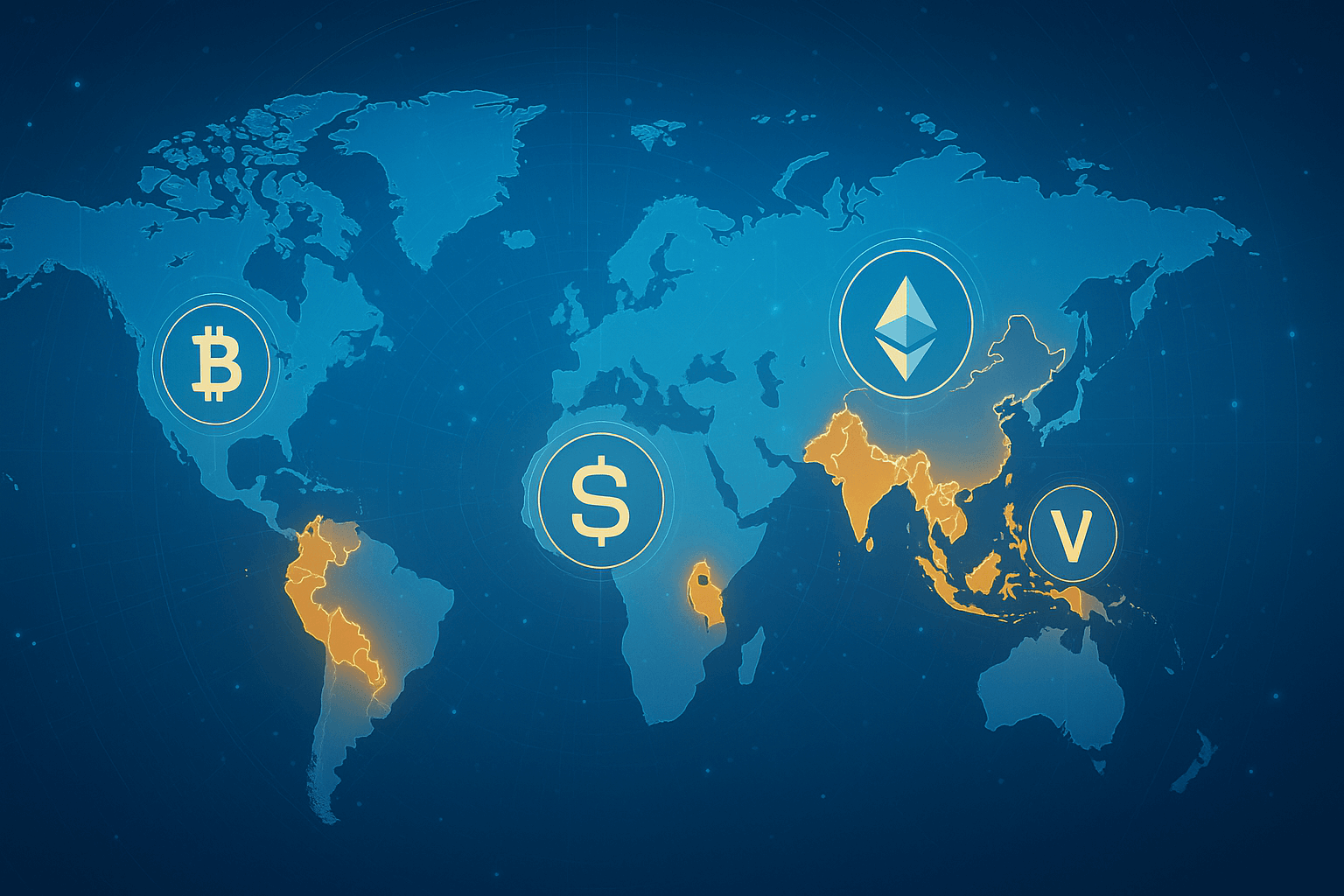
- Preferred Payment Method in Emerging Markets: In countries with volatile currencies, such as India, USDT is used for 43% of all crypto purchases. This highlights its role in providing stability and accessibility where traditional currencies may falter.
- Regulatory Clarity and Confidence: New legislation like the GENIUS Act (U.S.) and MiCA (Europe) has brought clearer rules for stablecoins, boosting user confidence and encouraging broader adoption of USDT in mainstream finance.
- Stable Value and Low Volatility: With a price of $0.9998 as of September 4, 2025, USDT remains closely pegged to the U.S. dollar, offering predictable value for payments compared to more volatile cryptocurrencies.
- Lower Cross-Border Transaction Costs: Using USDT can significantly reduce fees for international payments, making it a cost-effective solution for both consumers and businesses operating globally.

Stability matters: Unlike Bitcoin or Ethereum, whose prices can swing wildly within hours, Tether’s value remains tightly pegged to $1 - today trading at $0.9998. This predictability is crucial whether you’re settling invoices or making everyday purchases.
Lower fees: Cross-border transactions that once incurred hefty bank charges can now be completed via USDT at a fraction of the cost - often instantly.
Navigating Security Risks:
No system is without risk. While stablecoins like USDT are designed for reliability, their security ultimately depends on robust technical infrastructure both on-chain and off-chain. Recent research points out annual run risks between 3%-4% for some stablecoins - far higher than FDIC-insured banks (Investopedia). It’s essential that buyers use reputable wallets and platforms when transacting with any stablecoin.
Tether (USDT) Price Prediction 2026-2031
Professional Outlook on USDT Price Stability and Market Scenarios Through 2031
| Year | Minimum Price | Average Price | Maximum Price | Yearly % Change (Avg) | Market Scenario Insights |
|---|---|---|---|---|---|
| 2026 | $0.98 | $1.00 | $1.02 | 0% | Continued regulatory clarity supports USDT’s dollar peg; minor depegs possible during high market stress. |
| 2027 | $0.97 | $1.00 | $1.03 | 0% | USDT strengthens as payment rails expand globally; competition from CBDCs may cause brief volatility. |
| 2028 | $0.96 | $1.00 | $1.04 | 0% | Stable infrastructure and mainstream adoption; occasional risks from reserve transparency and regulatory audits. |
| 2029 | $0.95 | $1.00 | $1.05 | 0% | USDT remains dominant, but faces challenges from new regulatory regimes and alternative stablecoins. |
| 2030 | $0.94 | $1.00 | $1.06 | 0% | Wider global use in emerging markets; improvements in transparency and collateralization support the peg. |
| 2031 | $0.94 | $1.00 | $1.07 | 0% | USDT’s stability endures, but black swan events or systemic shocks could test the peg’s resilience. |
Price Prediction Summary
USDT is designed to maintain a 1:1 peg with the U.S. dollar, and its price is expected to remain highly stable through 2031, with minor deviations possible during periods of extreme market volatility or regulatory uncertainty. Growing global adoption, improved payment infrastructure, and regulatory clarity support long-term price stability. However, risks from reserve transparency, competition, and systemic shocks remain possible, reflected in the min/max ranges.
Key Factors Affecting Tether Price
- Regulatory clarity in the U.S. and Europe (e.g., GENIUS Act, MiCA)
- Expansion into traditional and emerging payment systems
- Growing merchant and consumer adoption, especially in volatile economies
- USDT’s dominance in stablecoin settlements and cross-border payments
- Potential risks from reserve transparency and third-party audits
- Competition from central bank digital currencies (CBDCs) and other stablecoins
- Global macroeconomic conditions and systemic market shocks
Disclaimer: Cryptocurrency price predictions are speculative and based on current market analysis. Actual prices may vary significantly due to market volatility, regulatory changes, and other factors. Always do your own research before making investment decisions.
As USDT cements its position in the global payments ecosystem, crypto buyers need to stay informed about both the evolving opportunities and the potential pitfalls. The rapid integration of USDT into mainstream commerce is not just a technological shift, it's a reimagining of how value moves in a digital-first economy.

How to Buy and Use USDT Securely in 2025
With adoption at an all-time high, the basics of buying USDT securely are more important than ever. Start by choosing a reputable exchange or payment platform that complies with new regulatory frameworks like MiCA and the GENIUS Act. Ensure your chosen service offers robust security features, such as multi-factor authentication and cold storage options for large balances. Always verify transaction details before sending funds, fraudulent wallet addresses remain a risk even as infrastructure improves.
Once acquired, using USDT for payments is straightforward. Many wallets now offer built-in QR scanning for point-of-sale transactions, automatic conversion between fiat and stablecoins, and real-time balance notifications. This seamless experience is what’s propelling stablecoin adoption across both developed and emerging markets.
Comparing Crypto Payments vs Local Currency
The surge in crypto payments vs local currency isn’t just about hype, it’s about practical benefits. In regions with unstable currencies or restrictive banking systems, USDT offers a lifeline: fast, borderless transactions that retain their value regardless of local economic turmoil. Even in mature economies, businesses are embracing stablecoins to cut costs on cross-border settlements and tap into new customer bases.
| USDT Payments | Local Currency (Bank Transfer) | |
|---|---|---|
| Transaction Speed 🚀 | Sseconds to minutes | Hours to days |
| Fees 💸 | Low (often <$1) | High (varies by bank) |
| Volatility Risk 📉 | Minimal (pegged at $0.9998) | Tied to local inflation/currency swings |
| Accessibility 🌍 | Global, no borders | Tied to bank hours/regulations |
Security Tips for Stablecoin Users
The convenience of stablecoins comes with responsibility. Here are some practical tips for safeguarding your assets as stablecoin infrastructure matures:
- Avoid storing large amounts on exchanges; use hardware wallets when possible.
- Regularly update your wallet software to patch vulnerabilities.
- If you’re transacting significant sums, consider splitting funds across multiple wallets or platforms.
- Stay informed about regulatory updates, compliance can impact withdrawal limits or KYC requirements.
- If something feels off during a transaction, pause; scams targeting new users are on the rise as adoption grows.
What’s Next for Stablecoin Adoption?
The momentum behind USDT signals broader trends for the entire digital asset sector. As more governments clarify their stance on stablecoins, and as payment processors continue to innovate, expect further expansion into sectors like remittances, payrolls, and even government aid distribution. The next wave will likely see tighter integration with DeFi protocols and traditional banks alike.
The bottom line? With its price holding steady at $0.9998, broad merchant acceptance, and robust regulatory support, USDT is redefining what it means to move money globally. For crypto buyers willing to adapt, and those who follow best practices for security, the future looks both accessible and resilient.




No comments yet. Be the first to share your thoughts!