
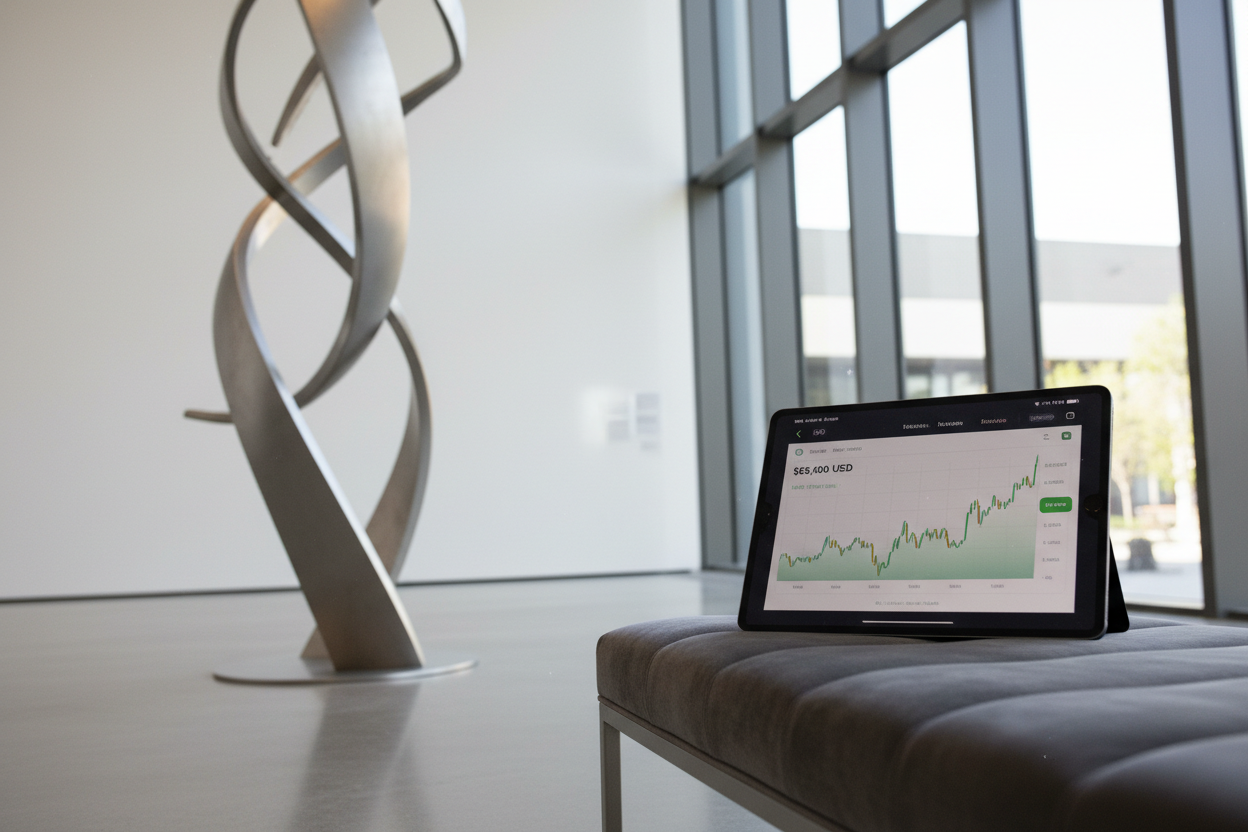
Bitcoin's recent volatility has created a compelling entry point for savvy investors, with the cryptocurrency dipping below $65,000 amid broader market deleveraging before rebounding to its current price of $70,331.00. On February 5,2026, BTC plunged 13% due to $816 million in ETF outflows and institutional selling, as reported by AInvest. Yet, BlackRock's iShares Bitcoin Trust ETF (IBIT) defied the trend, recording $231.6 million in inflows on February 6, signaling that institutional heavyweights see this as a prime buying opportunity. This contrast between retail panic and whale accumulation underscores why now could be the moment to securely add Bitcoin to your portfolio.
Deciphering the Causes Behind Bitcoin's $65K Dip
The sharp decline on February 5 stemmed from cross-asset deleveraging, where leveraged positions across markets unwound simultaneously. Sources like Investing. com note Bitcoin sliding to around $64,000-$65,000, erasing recent gains after an 11%-13% single-day drop. ETF data reveals $816 million in outflows, with products like BlackRock's IBIT experiencing pressure earlier in 2026, netting inflows on only 11 trading days so far, per BingX. Macro factors, including hedge fund collapses and heightened put option activity on Bitcoin ETFs (KuCoin), amplified the sell-off. Despite this, Bitcoin's fundamentals remain intact: limited supply, growing institutional adoption, and its role as a hedge against fiat debasement.
Current market data as of February 8,2026, shows BTC at $70,331.00, up 3.50% in the last 24 hours with a low of $67,642.00. This quick recovery from sub-$65,000 levels mirrors historical patterns where dips below key support zones attract buyers, often marking local bottoms.
BlackRock IBIT Inflows: Institutional Confidence Amid Chaos
While many ETFs saw outflows, BlackRock's IBIT stood out with $231.6 million in net inflows post-dip, equivalent to thousands of BTC added to its holdings. Blackrock. com describes IBIT as designed to track Bitcoin's price performance directly, holding actual BTC in custody. Recent reports from Phemex and CryptoRank highlight similar trends, with IBIT attracting $142.7 million in one session and contributing to $562 million total ETF inflows alongside Fidelity's FBTC. Even as IBIT faced $373.4 million outflows earlier (MEXC), its record $10 billion trading volume (Cointribune) demonstrates liquidity and investor interest.
These inflows are not isolated. In 2026, despite limited net positive days, IBIT's resilience points to sophisticated money rotating into Bitcoin during fear-driven sell-offs. For context, The Motley Fool pegged IBIT shares at $39.68 on February 6, making it an accessible vehicle for traditional investors to buy the Bitcoin dip without direct custody hassles.
Spotting the Market Bottom: Data Signals for 2026
Is the $65K level the bottom? Metrics suggest yes. ETF inflows diverging from price action often precede reversals, as institutions accumulate quietly. Bitcoin's 24-hour low of $67,642.00 and current $70,331.00 price reflect renewed momentum, with analysts on CryptoRank warning of further upside potential. Historical parallels abound: post-2022 dips, BTC rallied over 500% from similar ETF flow inflection points.
Volatility remains high, but tools like on-chain analysis show long-term holders adding supply, per Glassnode trends (inferred from similar events). For those eyeing a secure Bitcoin ETF purchase, IBIT's structure offers regulated exposure, custodian safeguards, and seamless brokerage integration.
Bitcoin (BTC) Price Prediction 2027-2032
Forecasts based on recovery from 2026 $65K dip, BlackRock IBIT $231M inflows, ETF trends, halving cycles, and institutional adoption
| Year | Minimum Price | Average Price | Maximum Price | YoY % Change (Avg from Prior Year) |
|---|---|---|---|---|
| 2027 | $90,000 | $160,000 | $250,000 | +33% |
| 2028 | $140,000 | $280,000 | $450,000 | +75% |
| 2029 | $250,000 | $450,000 | $750,000 | +61% |
| 2030 | $350,000 | $550,000 | $850,000 | +22% |
| 2031 | $450,000 | $700,000 | $1,100,000 | +27% |
| 2032 | $600,000 | $900,000 | $1,500,000 | +29% |
Price Prediction Summary
Bitcoin's price is projected to experience robust growth through 2032, with average annual prices climbing from $160K in 2027 to $900K by 2032. This outlook factors in the ongoing recovery from the 2026 dip, strong institutional signals like BlackRock IBIT inflows, the 2028 halving, and broader adoption, while min/max ranges account for bearish regulatory risks and bullish market cap expansion to $18T+.
Key Factors Affecting Bitcoin Price
- Institutional ETF inflows (e.g., BlackRock IBIT $231M signaling dip-buying)
- 2028 Bitcoin halving reducing new supply issuance
- Increasing global adoption and nation-state reserves
- Regulatory developments and clarity in major markets
- Technological upgrades enhancing scalability and use cases
- Macroeconomic trends, market cycles, and competition from altcoins
- Risks from deleveraging events and potential outflows
Disclaimer: Cryptocurrency price predictions are speculative and based on current market analysis. Actual prices may vary significantly due to market volatility, regulatory changes, and other factors. Always do your own research before making investment decisions.
BlackRock's IBIT offers a regulated pathway to capitalize on this rebound from the $65K dip, with its inflows reflecting a calculated bet on Bitcoin's long-term trajectory. As BTC holds steady at $70,331.00, up 3.50% over the past 24 hours, investors should prioritize platforms and methods that minimize counterparty risk while maximizing accessibility.
Why IBIT Stands Out for Secure Exposure in Volatile Times
Institutional preference for IBIT isn't accidental. Unlike direct Bitcoin purchases on exchanges, which expose users to hacks and withdrawal delays, IBIT leverages BlackRock's custody with Coinbase Prime, audited reserves, and SEC oversight. During the February 5 turmoil, when Bitcoin hit lows near $65,000, IBIT's $231.6 million inflows demonstrated resilience. Trading at $39.68 per share on February 6 per The Motley Fool, it allows dollar-cost averaging into BTC without managing private keys. This structure suits beginners and pros alike seeking to buy Bitcoin dip 2026 without the operational headaches of self-custody.
Volume spikes to $10 billion, as noted by Cointribune, underscore its liquidity, enabling large trades without slippage. Compared to competitors, IBIT's consistent top inflows position it as a bellwether for broader ETF sentiment, making it ideal for those tracking BlackRock IBIT inflows as a sentiment gauge.
Direct crypto exchanges remain viable for purists, but volatility demands vigilance. Platforms like those integrated with brokerage accounts blend ETF ease with spot trading, yet always cross-reference ETF flows for conviction. The divergence between price dips and IBIT accumulation screams opportunity, especially as Bitcoin's 24-hour low of $67,642.00 gives way to fresh highs.
Your Action Plan: Step-by-Step to Secure Bitcoin Purchases
Timing entries around ETF data like IBIT's provides an edge, but execution matters most. Whether opting for ETF shares or spot BTC, follow proven protocols to navigate 2026's choppy waters.
5 Secure Steps to Buy Bitcoin During the 2026 Dip Like BlackRock IBIT Institutions
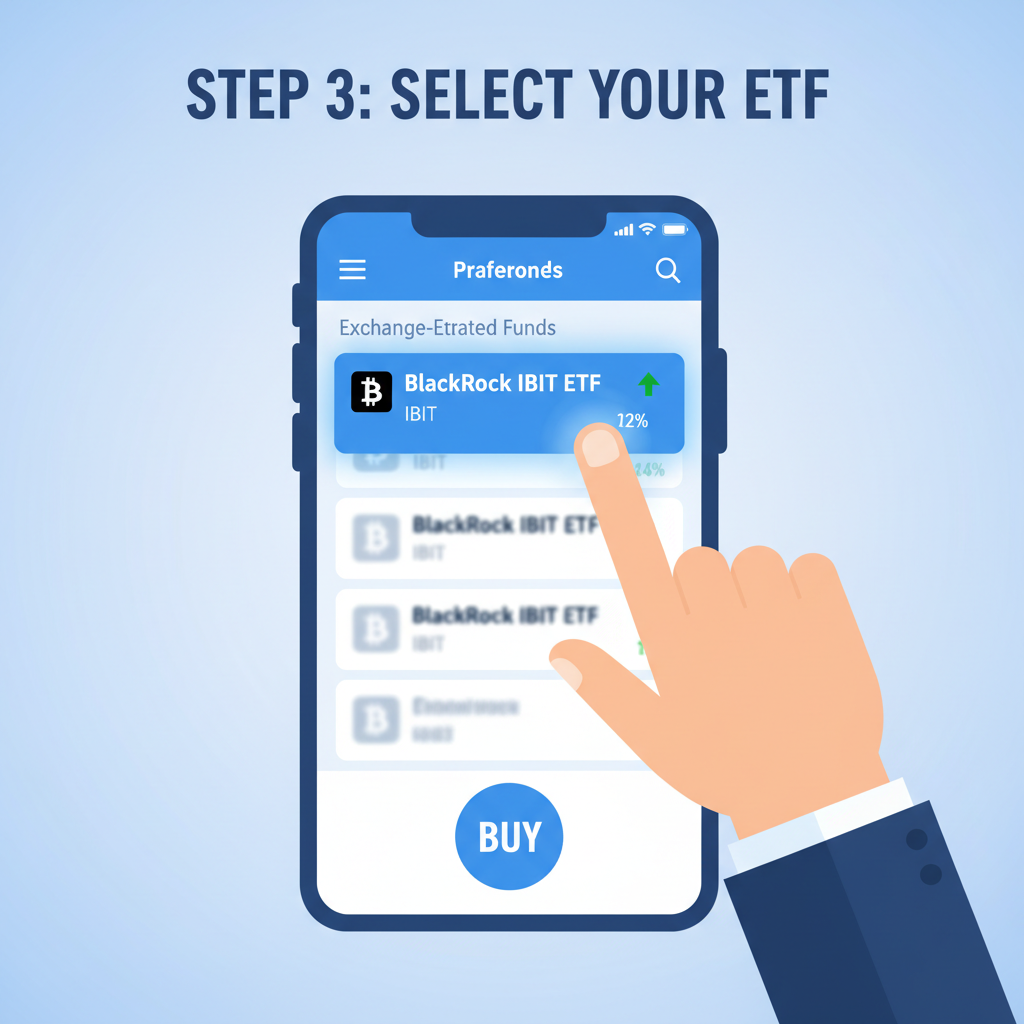
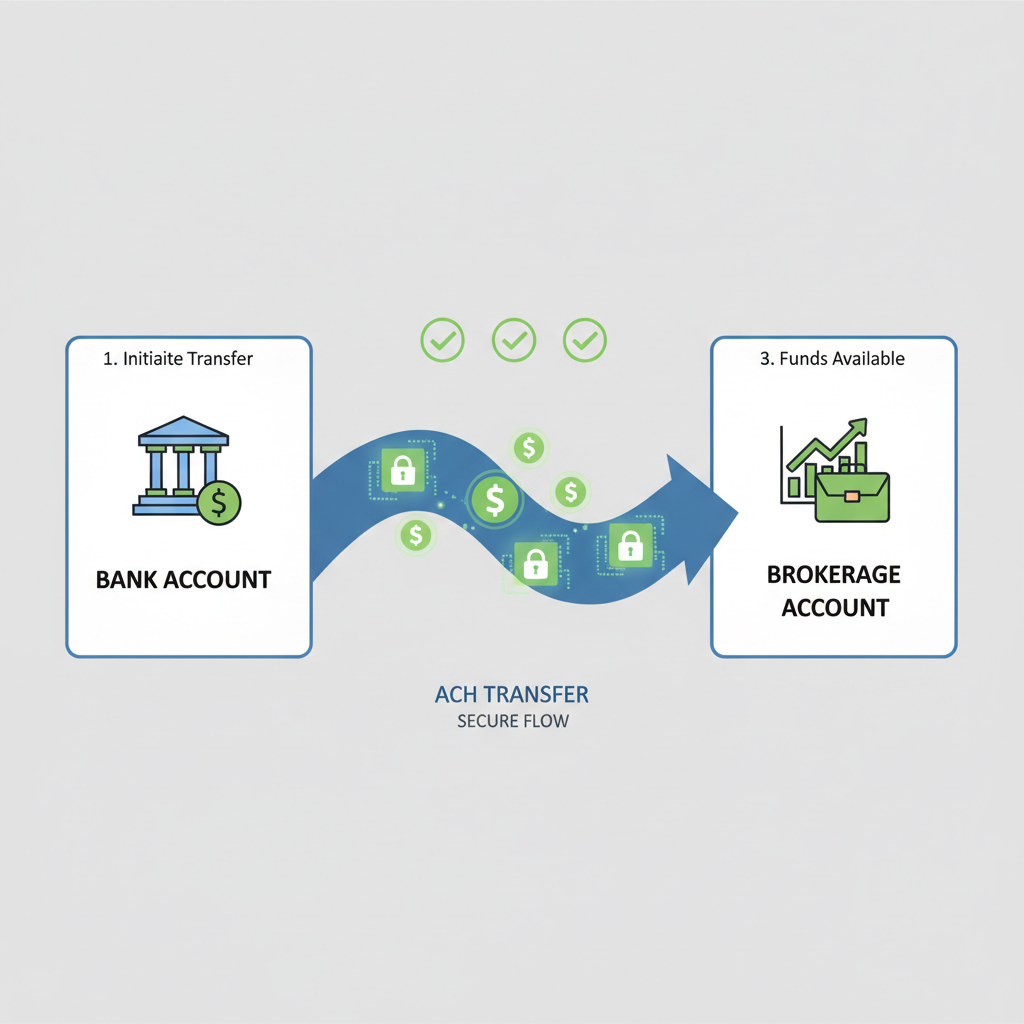
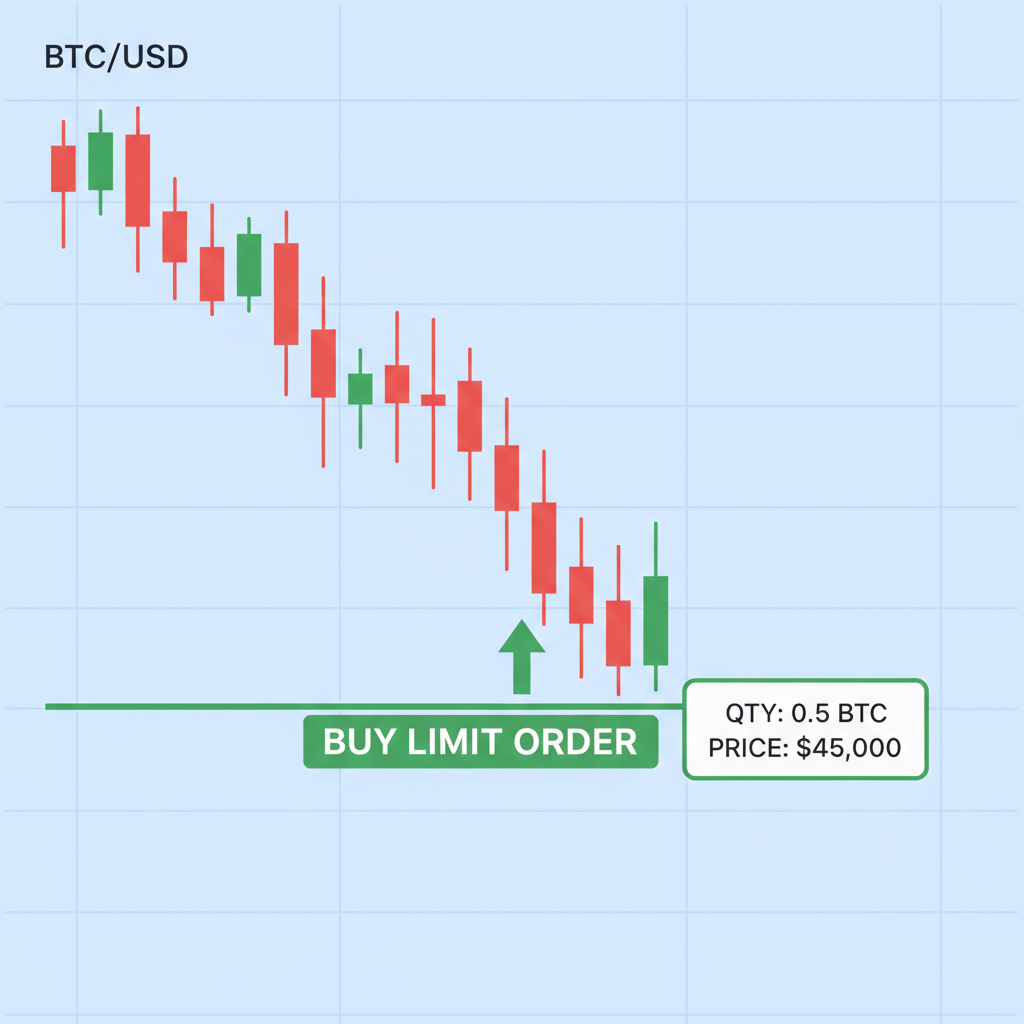
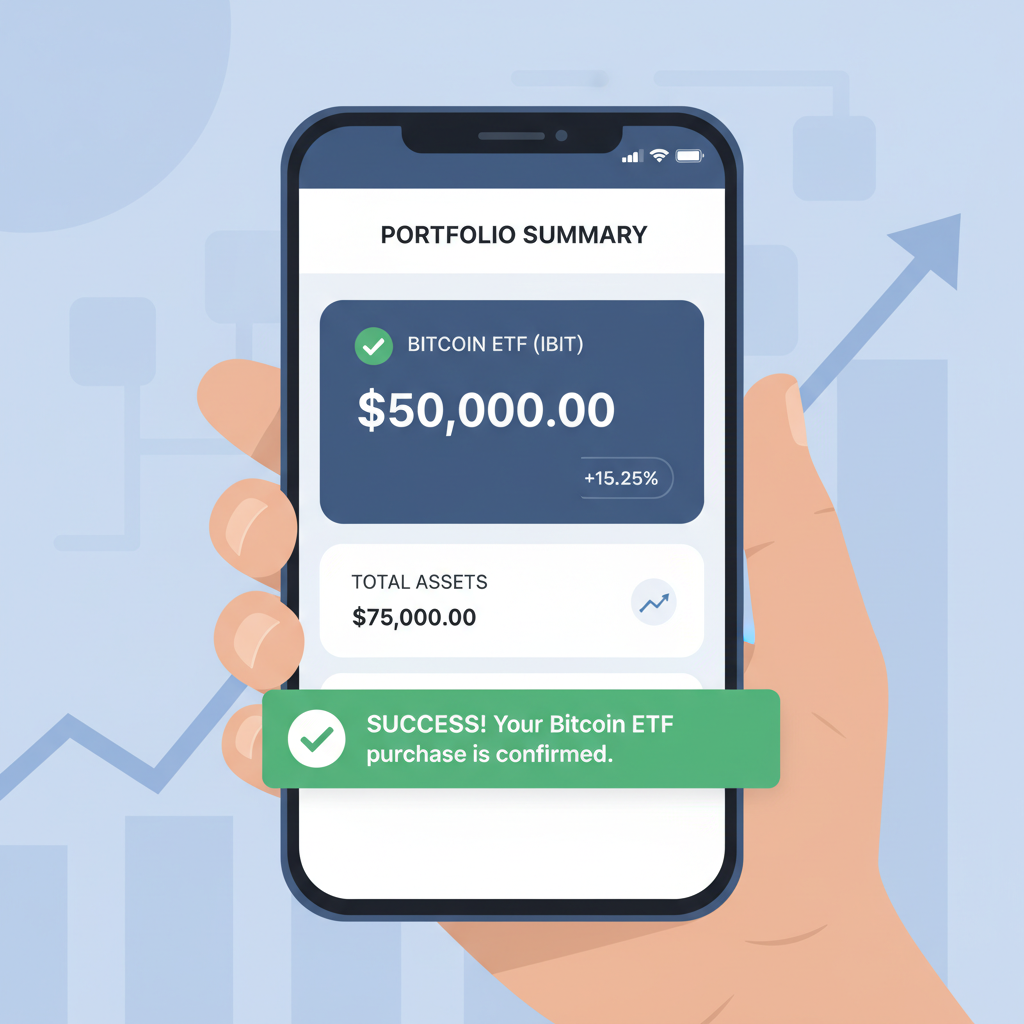
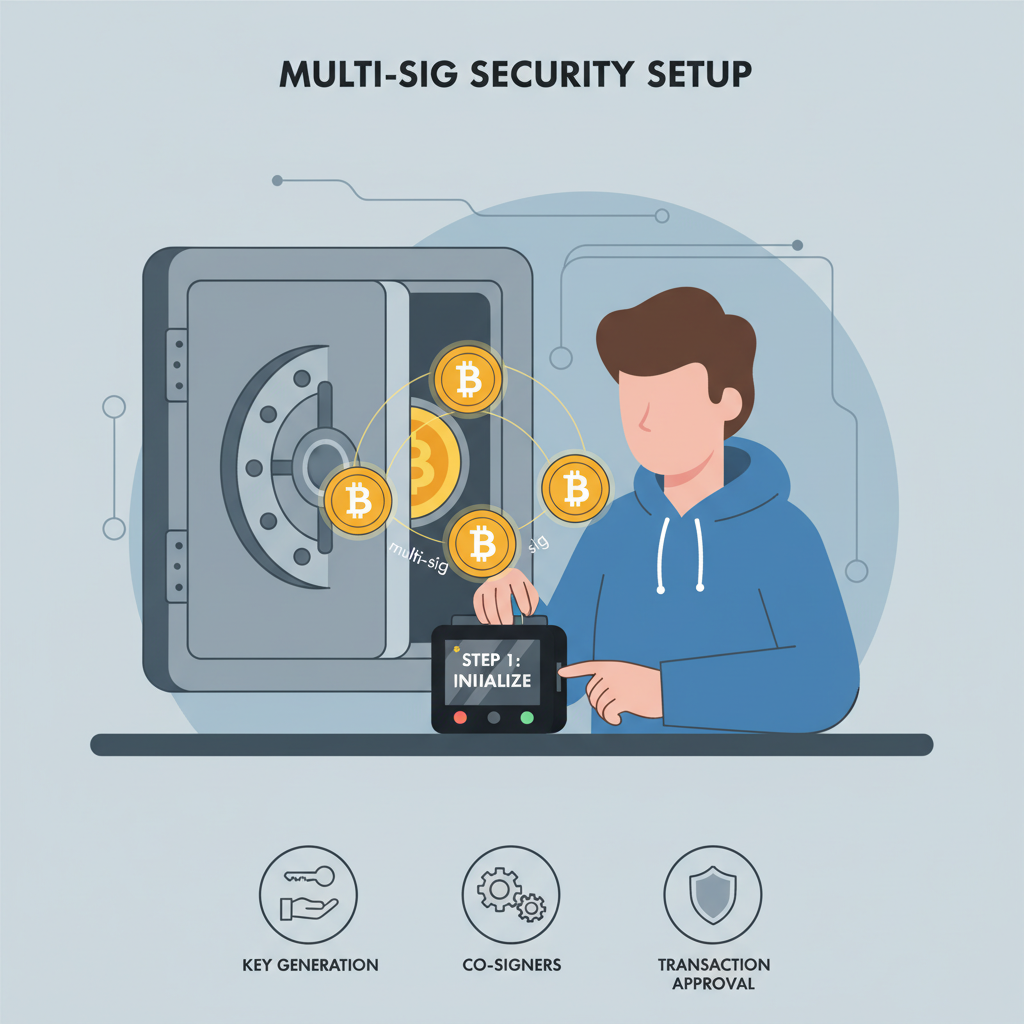
Start with a brokerage like Vanguard or Schwab for IBIT, funding via bank transfer to sidestep fees. Set limit orders below $70,331.00 to average in, mirroring institutional tactics. For spot BTC, select exchanges with proof-of-reserves and U. S. compliance, transferring promptly to cold storage. This hybrid approach captures upside while hedging buy crypto securely volatility.
Monitor on-chain metrics alongside ETF flows; sustained IBIT buying amid price stability near $70,331.00 reinforces the Bitcoin market bottom 2026 thesis. Historical rebounds from similar setups, fueled by halving cycles and adoption, suggest multi-fold gains ahead. My take: institutions aren't piling in blindly. They're positioning for a structural shift where Bitcoin underpins portfolios as digital gold.
Risk persists, from regulatory whispers to macro headwinds, but data tilts bullish. By leaning on IBIT's track record and disciplined entry, you transform this dip into durable alpha. Scale positions thoughtfully, and let compound growth do the heavy lifting.




No comments yet. Be the first to share your thoughts!