
Why utility matters in 2026
The 2026 crypto market has shifted decisively away from speculative narratives toward assets that generate tangible revenue and real-world adoption. Institutional investors and network participants now prioritize projects with visible on-chain activity, consistent transaction volume, and clear use cases over abstract hype. This transition has elevated established protocols that serve as the backbone of the digital economy.
Bitcoin (BTC) remains the primary store of value, while Ethereum (ETH) continues to anchor the decentralized finance ecosystem. Solana (SOL) has solidified its position through high-speed processing and growing developer adoption. Chainlink (LINK) provides critical infrastructure by connecting blockchains to real-world data, and XRP (XRP) facilitates cross-border payments for financial institutions. These five assets represent the intersection of innovation and reliability.
Evaluating these projects requires looking beyond price charts. Metrics such as daily active users, network fees, and partnership integrations provide a clearer picture of long-term viability. As the market matures, utility will increasingly determine which assets sustain growth and which fade into obscurity.
5 Best Crypto to Buy in 2026: Real-World Utility Picks
Selecting assets for 2026 requires prioritizing verifiable network metrics and institutional adoption over speculative narratives. This analysis identifies five cryptocurrencies—BTC, ETH, SOL, LINK, and XRP—that demonstrate tangible real-world utility and robust infrastructure. Investors must acknowledge the high volatility inherent in these markets and conduct independent due diligence before allocating capital.
1. Bitcoin as the stable anchor
Bitcoin remains the foundational layer for institutional portfolios, offering unparalleled liquidity and security. Its fixed supply and decentralized nature provide a hedge against fiat inflation, making it the primary reserve asset for banks and ETFs seeking exposure to digital scarcity without the volatility of smaller altcoins.

2. Ethereum for smart contract dominance
Ethereum continues to host the majority of decentralized finance applications, leveraging its robust developer ecosystem and recent scalability upgrades. Its transition to proof-of-stake has reduced energy consumption significantly, while institutional interest in tokenized assets keeps network activity high despite occasional congestion during peak demand periods.

3. Solana for high-speed transactions
Solana delivers sub-second finality with negligible fees, positioning it as the preferred chain for high-frequency trading and consumer-facing applications. Its unique proof-of-history mechanism allows thousands of transactions per second, attracting developers building scalable DeFi protocols and NFT marketplaces that require rapid throughput without compromising user experience.
4. Chainlink for real-world data
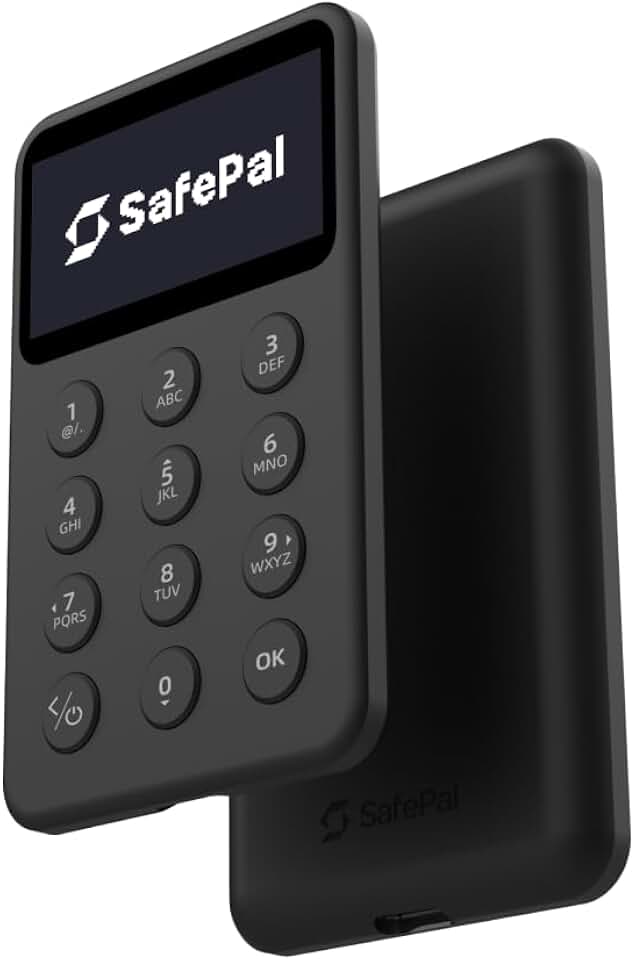
Chainlink serves as the critical oracle network connecting blockchain smart contracts to external real-world data feeds. By providing tamper-proof price feeds and verified off-chain computation, it enables DeFi protocols to function reliably, ensuring that automated financial agreements execute accurately based on accurate, real-time market information from trusted sources.
5. XRP for cross-border payments
XRP facilitates rapid, low-cost international settlements through its native ledger, appealing to financial institutions seeking efficient cross-border payment solutions. Its ability to settle transactions in seconds with minimal fees addresses longstanding inefficiencies in traditional banking systems, positioning it as a practical tool for remittances and liquidity provision across borders.

How to compare these options
Selecting among Bitcoin (BTC), Ethereum (ETH), Solana (SOL), Chainlink (LINK), and XRP requires looking past headline prices to the underlying network metrics. Institutional adoption and real-world utility are the primary drivers of long-term value in this market cycle.
The table below outlines the core differences in market capitalization, primary function, and volatility profiles for each asset. This structured view helps you align your risk tolerance with the specific utility each network provides.
| Asset | Primary Use Case | Market Cap Rank | Volatility Profile |
|---|---|---|---|
| BTC | Store of Value | 1 | Lower |
| ETH | Smart Contracts | 2 | Moderate |
| SOL | High-Throughput DApps | 5 | Higher |
| LINK | Oracle Data Feeds | 12 | Higher |
| XRP | Cross-Border Payments | 6 | Moderate |
Bitcoin and Ethereum remain the most liquid and widely held assets, often serving as the baseline for portfolio stability. Solana and Chainlink offer higher growth potential through specialized infrastructure, while XRP focuses on institutional payment rails. Always verify current market data before making investment decisions.
Where to buy these cryptocurrencies
Acquire BTC, ETH, SOL, LINK, and XRP through established, regulated exchanges like Coinbase or Kraken. These platforms meet strict compliance standards, ensuring your assets are held in secure, audited environments. Avoid unverified offshore platforms that lack transparency, as they pose significant risks to your capital.
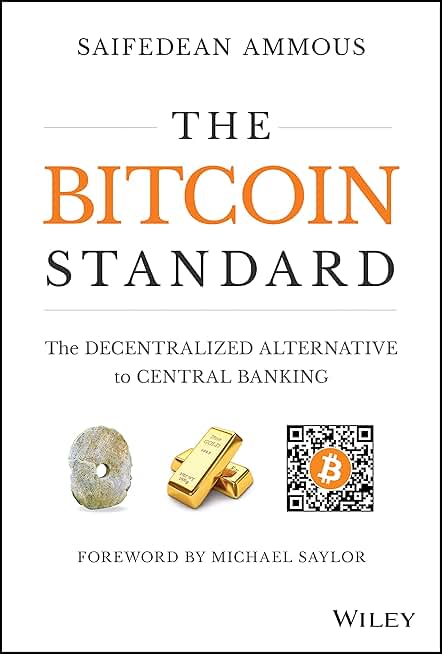
After purchasing, transfer your holdings to a hardware wallet. Keeping crypto on an exchange leaves you vulnerable to platform insolvency or hacks. Self-custody is the only way to truly own your assets. For those starting out, choosing the right storage solution is just as important as the selection of tokens.


As an Amazon Associate, we may earn from qualifying purchases.
No comments yet. Be the first to share your thoughts!