Top crypto exchanges for 2026
The 2026 crypto landscape demands a higher standard for security and liquidity than previous years. With regulatory scrutiny intensifying globally, selecting a platform requires more than just low fees; it requires a proven track record of asset protection and operational transparency. Forbes notes that investors now prioritize established exchanges like Coinbase, Binance, and Gemini for their ability to navigate complex market conditions while maintaining user safety Forbes.
Coinbase remains the benchmark for institutional-grade security, offering a secure online platform for buying, selling, and storing cryptocurrency with rigorous compliance standards Coinbase. Its robust infrastructure makes it a preferred choice for those prioritizing safety over speculative features. Meanwhile, Binance continues to dominate in terms of trading volume and asset variety, catering to experienced traders who require deep liquidity and advanced charting tools.
Gemini rounds out the top tier by focusing on regulatory clarity and insurance coverage, appealing to users who value peace of mind. When evaluating these platforms, consider not just the entry price of Bitcoin or altcoins, but the long-term viability of the exchange. The image below illustrates the fundamental process of acquiring digital assets, a task made safer by choosing a reputable, regulated venue.
| Exchange | Primary Strength | Best For |
|---|---|---|
| Coinbase | Security & Compliance | Beginners & Institutional Investors |
| Binance | Liquidity & Variety | Active Traders |
| Gemini | Regulatory Clarity | Risk-Averse Users |
How to buy crypto on a platform
Buying cryptocurrency is a transaction that, unlike a bank transfer, is often irreversible. A single typo in a wallet address or a failure to verify your identity can result in permanent loss of funds. This section outlines the precise workflow for executing your first purchase safely, prioritizing verification and security at every stage.
Before you can deposit funds, regulated exchanges require Know Your Customer (KYC) verification. This process involves uploading a government-issued ID and, in many cases, a selfie for facial recognition. This step is mandatory for compliance and protects your account from unauthorized access. Do not attempt to bypass this step; unverified accounts are frequently restricted from withdrawing funds.
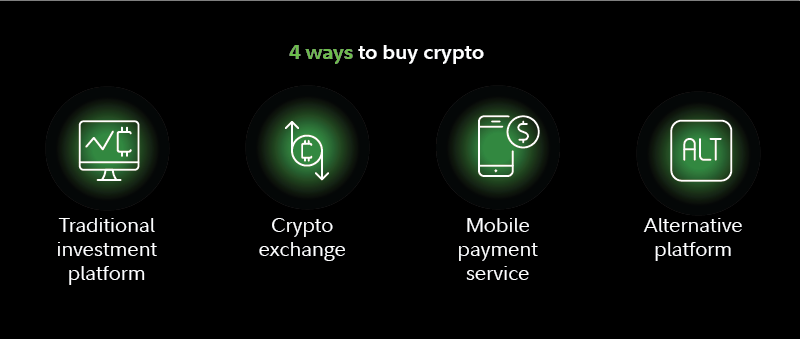
Enable two-factor authentication (2FA) immediately after account creation. Use an authenticator app like Google Authenticator or Authy rather than SMS-based verification, which is vulnerable to SIM-swapping attacks. This adds a critical layer of security that prevents hackers from accessing your account even if they steal your password.
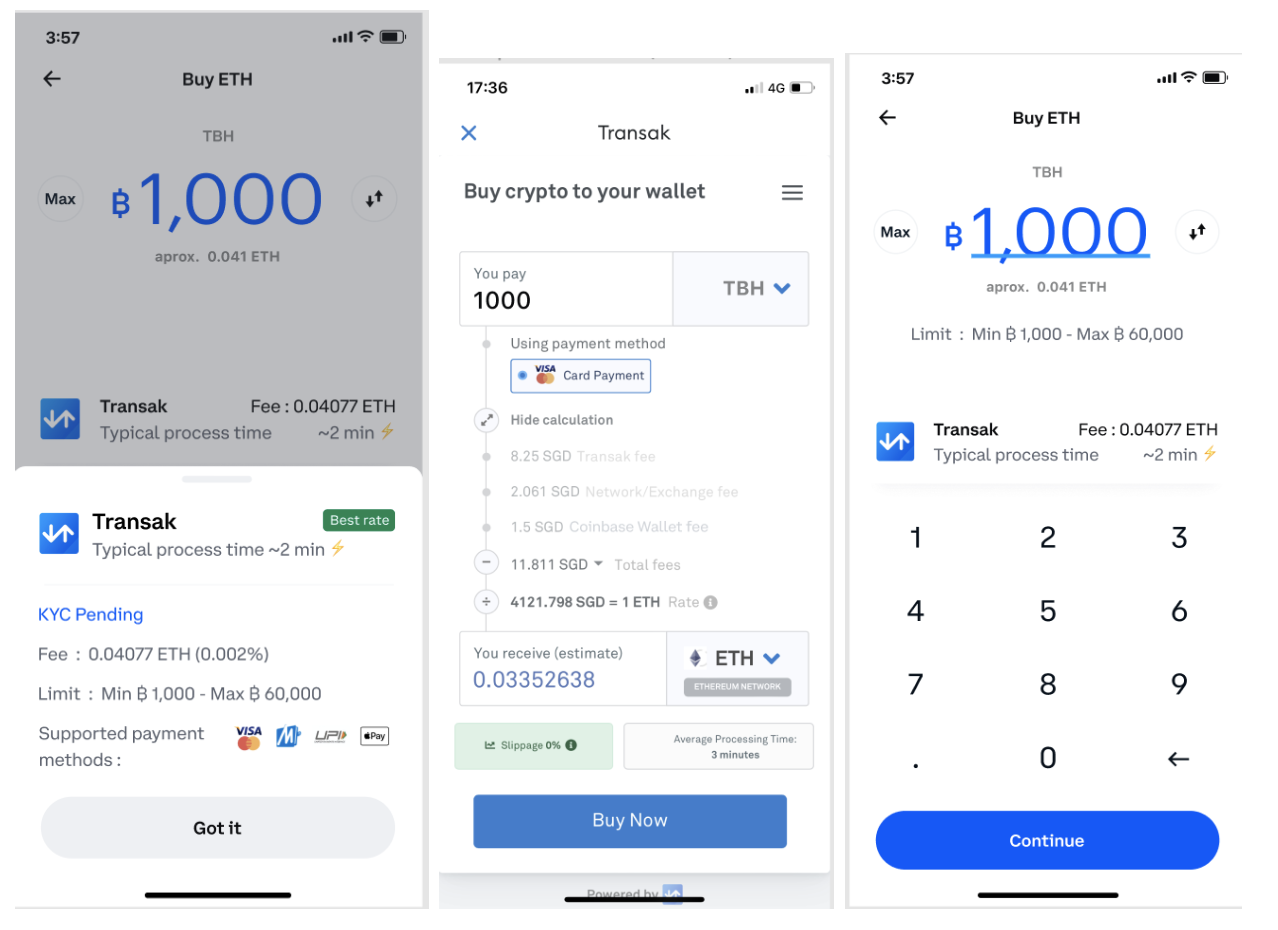
Link a bank account or debit card to fund your exchange. Bank transfers (ACH) typically have lower fees but take several days to clear. Debit cards offer instant funding but often incur higher transaction fees. Verify the deposit amount appears in your exchange balance before proceeding to purchase. Never send crypto from an external wallet to an exchange until you are certain of the receiving address format.
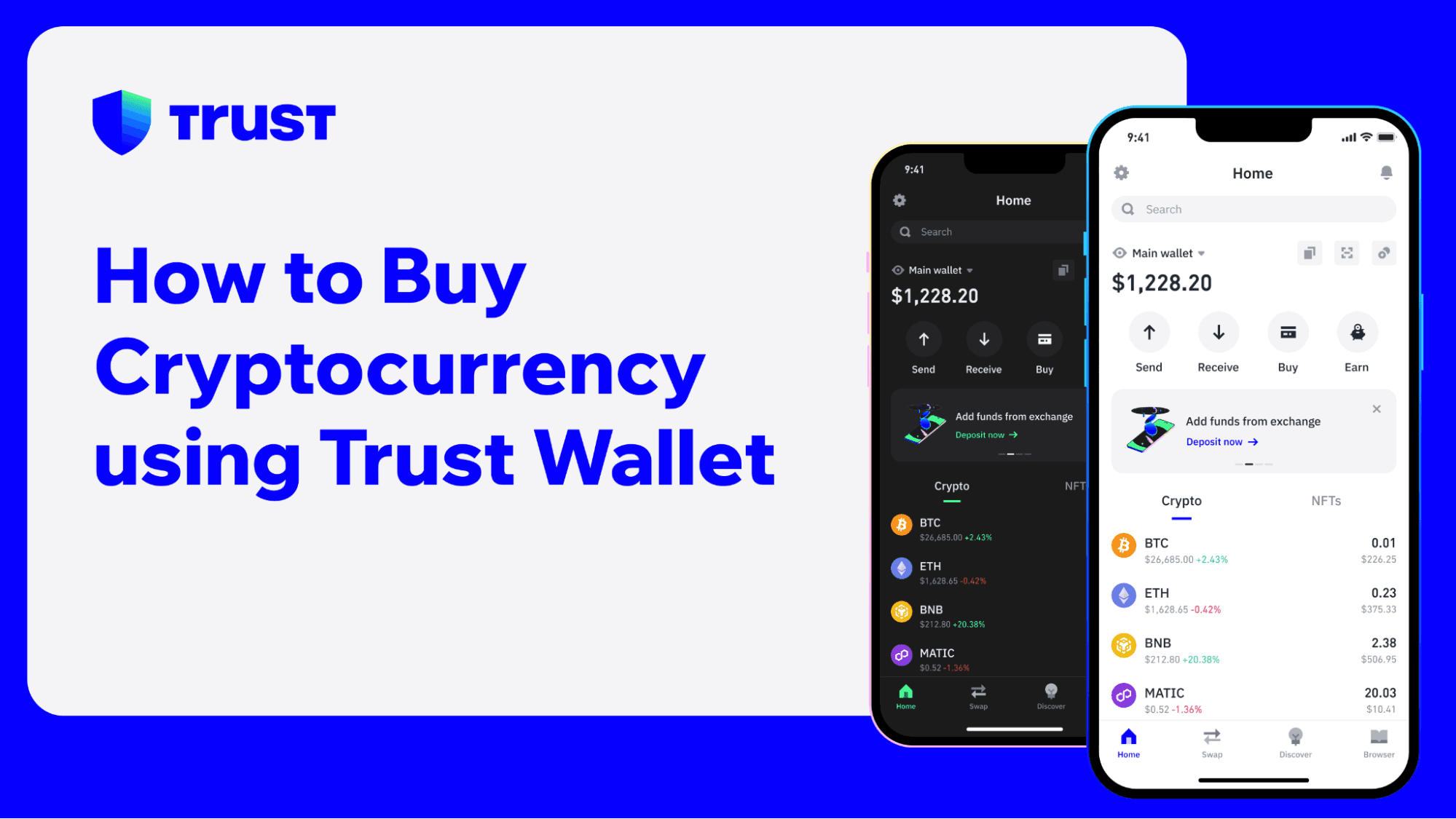
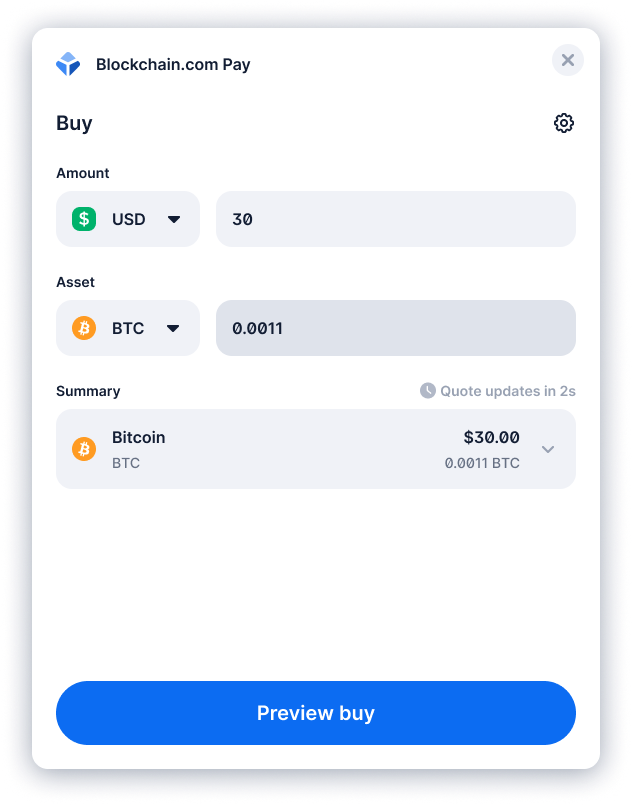
Navigate to the buy/sell interface and select the asset (e.g., Bitcoin or Ethereum). Enter the amount in your local currency. Review the exchange rate and fees carefully; some platforms display a "spread" that makes the effective price worse than the market rate. Confirm the transaction only after verifying the final amount of crypto you will receive. Once confirmed, the assets will appear in your exchange wallet.
For long-term holdings, move your crypto off the exchange to a self-custody hardware wallet. Exchanges are custodians, meaning you do not hold the private keys. If the exchange is hacked or goes bankrupt, your funds are at risk. A hardware wallet like a Ledger or Trezor keeps your keys offline, providing the highest level of security for your digital assets.
Bitcoin and Ethereum price outlook
The 2026 crypto market is defined by institutional maturity rather than retail speculation. Coinbase Institutional’s 2026 market outlook emphasizes that Bitcoin and Ethereum are transitioning into core infrastructure assets, driven by regulatory clarity and integration into traditional finance portfolios. This shift reduces volatility compared to previous cycles, making these assets more suitable for long-term holding strategies.
Bitcoin continues to lead the market, supported by the structural demand from spot ETFs and the recent halving cycle’s lingering effects. Yahoo Finance notes that the resurgence of Bitcoin is anchored in its scarcity and network security, positioning it as a digital store of value. While short-term price action remains sensitive to macroeconomic data, the long-term trend favors steady accumulation over speculative trading.
Ethereum’s outlook is similarly bullish, though its trajectory is tied to network upgrades and decentralized finance (DeFi) adoption. As the primary settlement layer for smart contracts, Ethereum benefits from the growing demand for tokenized real-world assets. Both assets require careful entry timing, but the underlying fundamentals suggest sustained relevance in a diversified portfolio.
Crypto tax rules for 2026 buyers
Buying cryptocurrency triggers a taxable event in most jurisdictions, and the 2026 regulatory landscape demands strict compliance. Whether you are purchasing Bitcoin through Coinbase or trading altcoins on Binance, the Internal Revenue Service (IRS) and international tax authorities treat digital assets as property, not currency. This classification means every transaction—buying, selling, swapping, or even spending crypto—is subject to capital gains tax calculations.
The complexity arises from the frequency of trades. If you buy Bitcoin, sell it for a profit, and then buy Ethereum, you have realized a short-term or long-term capital gain depending on your holding period. Failing to report these transactions can lead to significant penalties. Forbes Advisor notes that investors must track the cost basis of each asset to determine the exact taxable amount. Ignorance of these rules is not a valid defense during an audit.
To navigate this, you must maintain detailed records of every transaction, including dates, values in fiat currency at the time of the trade, and the specific crypto assets involved. Many exchanges now provide transaction history exports, but it is your responsibility to categorize these correctly. For personalized advice tailored to your financial situation, consult a qualified tax professional who specializes in cryptocurrency. The potential savings from proper tax planning often outweigh the cost of professional guidance.
Essential hardware wallets for storage
Leaving crypto on an exchange is like keeping cash in a lobby with an open door. Hardware wallets move that cash into a vault where private keys never touch the internet. This air-gapped approach is the only reliable defense against remote hacks, phishing, and exchange insolvencies.
For long-term holders, the goal is simple: maximum security with minimal complexity. You need a device that isolates signing operations from your computer or phone. The following models represent the current standard for self-custody.


As an Amazon Associate, we may earn from qualifying purchases.
Each option serves a different workflow. Ledger offers the widest asset support with a familiar app interface. Trezor provides open-source transparency and a larger screen for verifying transactions manually. Tangem simplifies the process into a tap-to-sign card, ideal for those who prioritize ease of use over advanced customization.
Security ultimately depends on your backup discipline. Write down your recovery seed on paper or metal, never digitally. Store it in a fireproof safe or bank deposit box. If you lose that seed, your assets are gone forever. No support team can recover them.
Common questions about buying crypto
Navigating the 2026 crypto landscape requires precision. Whether you are allocating capital to Bitcoin or exploring emerging altcoins, understanding the mechanics of exchange safety and asset selection is non-negotiable for protecting your portfolio.
Is it safe to buy crypto on major exchanges?
Reputable platforms like Coinbase and Binance operate as regulated financial intermediaries, but they are not immune to risk. Forbes notes that while these exchanges provide essential infrastructure for buying and selling, they do not guarantee the safety of your assets against platform-specific failures. For long-term holdings, transferring coins to a hardware wallet is the standard security protocol. This separation of custody ensures that even if an exchange is compromised, your primary assets remain secure.
What is the minimum amount to start investing?
Most centralized exchanges allow you to start with very small amounts, often as low as $1 or $10. This accessibility is designed to lower the barrier to entry for new investors. However, be mindful of transaction fees. Frequent small purchases can erode your capital through network gas fees and exchange spreads. It is generally more efficient to consolidate your investment strategy into larger, less frequent transactions to minimize overhead costs.
Which cryptocurrencies should I prioritize in 2026?
Market intelligence from Yahoo Finance and Coincub suggests a bifurcated approach. Bitcoin remains the dominant store of value, while assets like Solana and XRP continue to capture significant market share. Emerging projects such as Bittensor are drawing attention for their technological utility. Rather than chasing speculative trends, focus on assets with established liquidity and clear use cases. Diversification across blue-chip coins and select high-potential altcoins balances risk with growth potential.
No comments yet. Be the first to share your thoughts!