Choose your crypto path
Buying crypto today in 2026 requires deciding how much control you want over your assets. You generally have two distinct paths: buying Bitcoin exchange-traded funds (ETFs) through a traditional brokerage or purchasing direct crypto assets on a digital exchange. Your choice depends on your comfort with custody, fee tolerance, and regulatory preference.
Bitcoin ETFs allow you to gain exposure to Bitcoin's price movements without holding the digital asset yourself. These funds trade on traditional stock exchanges like the NYSE or Nasdaq, meaning you buy shares through your existing brokerage account. This approach is ideal for investors who prefer the regulatory oversight of traditional finance and want to avoid the technical complexity of managing private keys or wallet security. However, you do not own the underlying Bitcoin, which means you cannot use it for decentralized transactions or transfer it to a cold storage device.
Direct crypto purchases involve buying Bitcoin or other altcoins on a cryptocurrency exchange. This method gives you full custody of your assets, allowing you to withdraw them to a personal wallet. While this offers maximum control and potential utility, it also places the responsibility for security entirely on you. You must manage your own passwords and safeguard against exchange hacks or phishing attempts. Additionally, direct purchases often involve higher transaction fees, including network gas fees and exchange trading spreads, compared to the flat commissions often found in traditional brokerage accounts.
The table below compares the key differences between these two approaches to help you decide which fits your strategy.
| Feature | Bitcoin ETF | Direct Crypto |
|---|---|---|
| Custody | Brokerage holds assets | You hold private keys |
| Regulation | SEC-regulated | Varies by jurisdiction |
| Fees | Expense ratio + commission | Trading + network fees |
| Accessibility | Standard brokerage account | Crypto exchange account |
| Transferability | Cannot withdraw Bitcoin | Can move to wallets |


As an Amazon Associate, we may earn from qualifying purchases.
If you prioritize ease of access and regulatory protection, a Bitcoin ETF through your brokerage is likely the better starting point. If you value self-custody and the ability to move assets freely, direct purchase on a reputable exchange is the necessary path. Always verify the reputation of any exchange or broker before transferring funds.
Set up a secure account
Buying crypto today starts with creating a verified identity on a regulated platform. Whether you choose a centralized exchange like Coinbase or Binance, or a brokerage like Fidelity, the registration process follows the same strict compliance rules. These platforms must verify who you are to prevent fraud and meet government anti-money laundering standards.
Fund your account securely
Before you can buy Bitcoin or any other digital asset, you need to move fiat currency into your exchange wallet. This step is where most beginners lose money through unnecessary fees or poor security practices. Treat your bank transfer like sending money to a trusted friend, not a stranger.
Choose your deposit method
Most major exchanges offer three primary ways to fund your account: bank transfers, debit cards, and credit cards. Each has distinct trade-offs between speed, cost, and security.
Bank transfers (ACH/Wire) are the most cost-effective method for larger amounts. ACH transfers in the US typically take 3-5 business days but often cost nothing or less than $1. Wire transfers are faster (same-day) but usually carry a $15-$25 fee. For long-term holding, this is the standard choice because it minimizes friction costs.
Debit cards offer instant liquidity. You can deposit funds and buy crypto within minutes. However, exchanges often treat these as "cash advances" or charge higher processing fees, ranging from 1% to 4%. Use this only when you need immediate access to your position or are making a small, initial test deposit.
Credit cards are generally discouraged for buying crypto. They often incur cash advance fees and immediate interest charges, effectively increasing your cost basis before the asset even appreciates. Additionally, many banks block crypto-related transactions to prevent fraud.
Verify your identity first
You cannot deposit funds without completing KYC (Know Your Customer) verification. Exchanges require government-issued ID and proof of address. Start this process immediately after signing up, as it can take 24-48 hours to approve. Attempting to deposit before verification is complete will result in failed transactions and wasted time.
Security checklist
- Enable 2FA: Use an authenticator app, not SMS, for two-factor authentication.
- Whitelist addresses: If your exchange allows, whitelist only your own bank account details.
- Test small: Send a $10 test deposit before moving larger sums to confirm the routing details are correct.
Execute your first trade
Buying crypto is straightforward, but the order type you choose determines your entry price. You are not just clicking "buy"; you are deciding whether to accept the current market rate or set your own limit. This section walks through the actual mechanics of placing that first order.
Choose your order type
Before entering an amount, select between a market order and a limit order. A market order executes immediately at the best available price, ensuring you get into the position quickly but potentially at a slightly higher cost due to spread. A limit order sets a specific price ceiling; the trade only executes if the market drops to your target. For beginners, a limit order provides better price control and protects against sudden volatility spikes.
Enter the purchase amount
Input the fiat currency amount you wish to spend (e.g., $100) or the specific crypto amount (e.g., 0.01 BTC). Most platforms display the estimated crypto you will receive in real-time based on current rates. Remember that most exchanges allow fractional purchases, so you do not need to buy a whole Bitcoin. Verify the total cost, including any visible fees, before proceeding.
Confirm and review the order
Review the order details one last time. Check the order type (market vs. limit), the total fiat amount, and the estimated crypto receipt. Once you click "Buy" or "Place Order," the transaction is submitted to the exchange. If you used a limit order, it will sit in your open orders until the market hits your price. If you used a market order, the execution is nearly instantaneous.
Verify the transaction in your portfolio
Navigate to your portfolio or holdings page to confirm the asset has been credited. For market orders, this happens immediately. For limit orders, the status will show as "Open" until filled. Do not assume the trade is complete until you see the asset balance increase in your account. If the trade fails or is partially filled, the remaining fiat will be returned to your account balance.
Secure your holdings
Buying crypto is only the first step. Leaving funds on an exchange is like keeping cash in a loose change jar at a busy bank; you might access it quickly, but it is not truly yours. If the platform freezes withdrawals or faces insolvency, your assets vanish with them. The goal is to move from a "not your keys, not your coins" situation to one where you hold the private keys.
Transfer to a hardware wallet
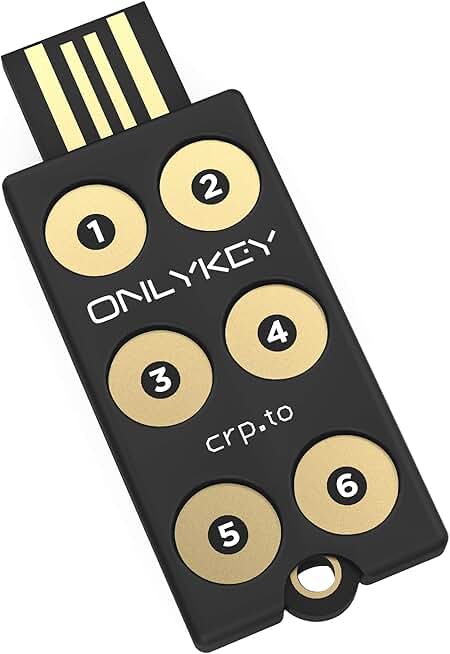
For long-term holdings, a hardware wallet (cold storage) is the standard for security. These devices store your private keys offline, making them immune to remote hacking attempts. Popular options include Ledger and Trezor. You will need to purchase the device from the manufacturer’s official site to avoid tampered units, then follow the setup process to generate your recovery seed phrase.
Use a regulated custodian
If you need frequent access to your funds for trading or payments, a regulated custodian offers a middle ground. Unlike unregulated exchanges, these entities often provide insurance coverage for digital assets and undergo regular audits. Look for custodians that are registered with relevant financial authorities and offer multi-signature verification for large withdrawals.
Verify your security setup
Before moving significant amounts, test the process with a small transaction. Ensure your recovery seed is written down on paper or metal and stored in a secure physical location, never digitally. Enable two-factor authentication (2FA) using an authenticator app, not SMS, for all accounts involved in the transfer.
-
Buy hardware wallet from official manufacturer site
-
Write down recovery seed on paper or metal
-
Store seed in a secure, offline location
-
Enable 2FA with authenticator app
-
Test transfer with small amount first
No comments yet. Be the first to share your thoughts!