Is it time to buy crypto in 2026?
The question of whether to buy crypto in 2026 hinges less on hype and more on the structural shifts in how institutions interact with digital assets. After the April 2024 halving, the market has moved into a phase of consolidation and regulatory clarification, creating a different environment than the speculative frenzy of previous cycles.
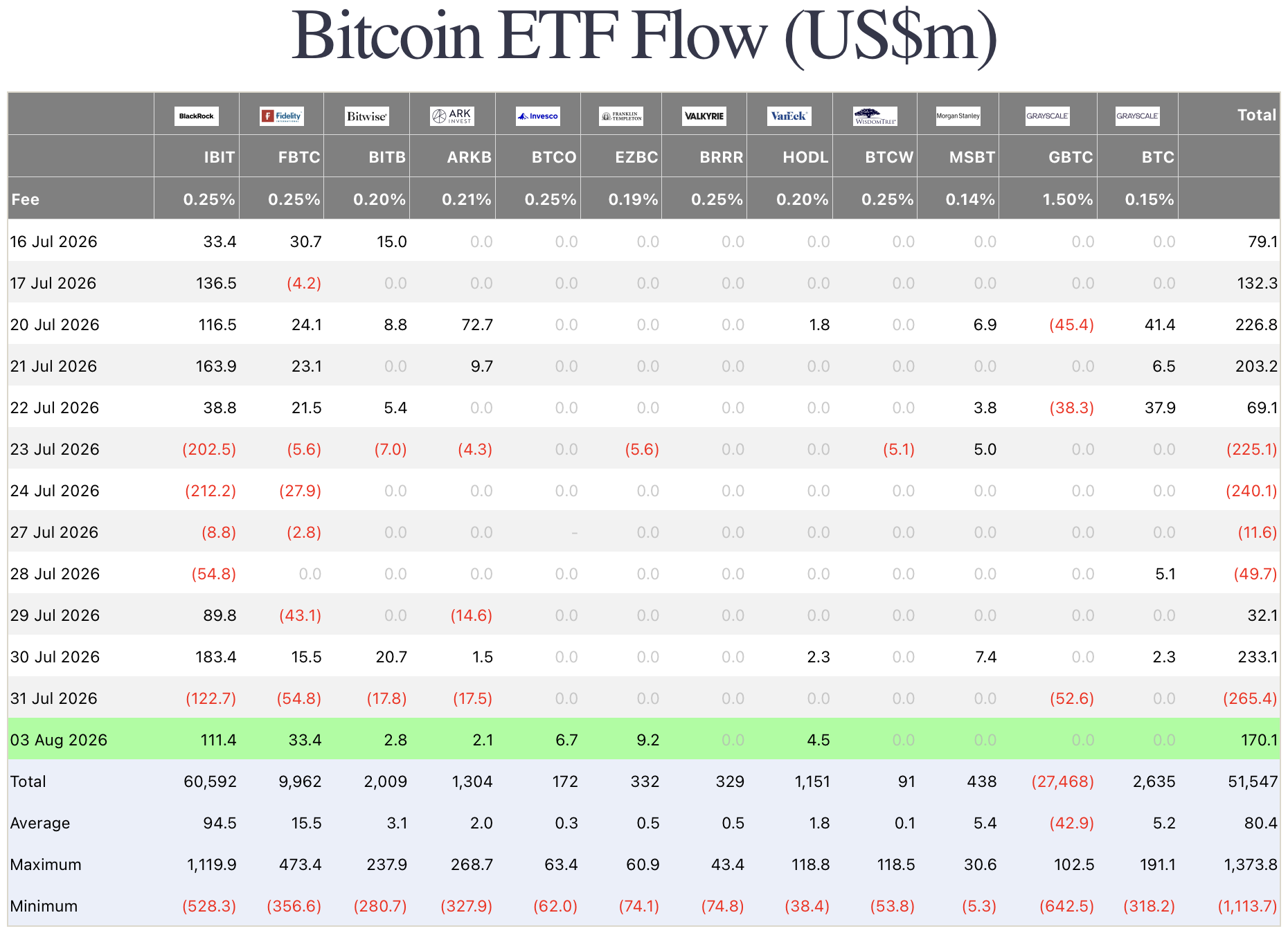
Bitcoin remains the primary anchor for this strategy. Its post-halving stability, combined with the sustained inflows into spot Bitcoin ETFs, has reduced the extreme volatility that once defined the asset class. This doesn't mean gains are guaranteed, but it does mean the risk profile has shifted from "venture-style gamble" to "macro-economic hedge." For investors asking if 2026 is a good year to buy Bitcoin, the answer lies in the data: institutional custody solutions are now mature, and the asset is increasingly treated as a reserve asset alongside gold.
However, "buying crypto" is no longer a monolithic action. The landscape has fragmented. While Bitcoin dominates the narrative, other assets like Ethereum and Solana offer distinct value propositions based on utility and transaction speed. The key is distinguishing between buying Bitcoin as a store of value and buying altcoins as bets on specific blockchain ecosystems. For most investors, a core allocation to Bitcoin, supplemented by smaller positions in established platforms, offers the most balanced approach to navigating 2026.
Buy crypto 2026 choices that change the plan
Buying cryptocurrency in 2026 requires weighing immediate liquidity against long-term stability. The market has shifted from speculative momentum to institutional integration, meaning the "best" asset depends on your risk tolerance and timeline. Below, we compare the primary options available to retail investors this year.
Bitcoin (BTC)
Bitcoin remains the cornerstone for conservative crypto exposure. Its post-halving supply shock and ETF approval have reduced volatility compared to previous cycles. While it underperformed the S&P 500 in recent months, it offers the highest liquidity and regulatory clarity. It is best for investors seeking a digital store of value rather than rapid gains.
Ethereum (ETH)
Ethereum provides exposure to the broader decentralized finance (DeFi) and NFT ecosystems. Its transition to proof-of-stake has made it yield-bearing, appealing to income-focused investors. However, its price action is often tied to network activity and regulatory scrutiny of staking services. It suits those who believe in the utility of smart contracts beyond simple value transfer.
Stablecoins (USDC/USDT)
Stablecoins offer zero volatility but negative real returns due to inflation. They serve as a parking spot for capital during market downturns or as a yield-generating asset in DeFi protocols. While they lack capital appreciation, they provide essential liquidity and risk management tools for active traders.
Altcoins (SOL, AVAX, etc.)
Layer-1 competitors like Solana and Avalanche offer higher potential returns but come with significant execution risk. Network outages, regulatory uncertainty, and intense competition make them speculative bets. These assets are suitable only for investors with a high risk tolerance and a short-to-medium time horizon.
| Asset | Risk Level | Primary Return Driver | Best For |
|---|---|---|---|
| Bitcoin (BTC) | Low | Store of Value | Conservative Long-Term |
| Ethereum (ETH) | Medium | Yield & Utility | DeFi Exposure |
| Stablecoins | None | Yield (DeFi) | Liquidity & Safety |
| Altcoins (SOL) | High | Speculative Growth | High Risk Tolerance |
Before committing capital, review the current market structure. Use the chart below to assess Bitcoin’s recent price action and identify potential entry points based on technical indicators.
Choose the next step
Is Bitcoin Still a Buy in ? Analyzing Post-Halving Stability and Institutional ETF Flows works best when the purchase path is explicit. Verify the source, compare the offer against real alternatives, check the total cost, and confirm what happens after payment before you decide. After each comparison, write down the one risk that would change your mind. If the seller, condition, support, warranty, shipping, or upkeep still feels uncertain, resolve that question before moving to checkout.
-
Verify the sellerCheck reputation, included details, delivery terms, and return policy before treating the listing as credible.
-
Compare total costAdd shipping, accessories, maintenance, warranty, and likely replacement costs to the listed price.
-
Confirm fitMatch the option to the real use case before paying for features that will not matter.
Spotting Weak Options and Misleading Claims
The post-halving landscape in 2026 rewards precision. While headlines often chase the next big narrative, many retail traders lose capital to assets with weak fundamentals or exchanges with hidden friction. Identifying these traps is just as important as finding winners.
Red Flags in Asset Selection
Not all cryptocurrencies survive the consolidation phase. Avoid projects that rely solely on marketing hype without clear utility or active development. If a token’s price movement isn’t backed by on-chain activity or institutional interest, it’s likely a speculation trap rather than a sustainable investment. Stick to assets with transparent tokenomics and verifiable usage metrics.
Exchange Risks You Can’t Ignore
Choosing the wrong platform can erase gains overnight. Look for exchanges with a proven track record of solvency and regulatory compliance. Avoid unregulated offshore brokers or platforms with low liquidity, as these often result in slippage or withdrawal freezes. Stick to established names like Coinbase or Kraken, which have weathered previous market cycles.
The "Too Good to Be True" Trap
Promises of guaranteed high returns are almost always scams. In 2026, legitimate opportunities come with clear risk disclosures. If an advisor or influencer suggests a "sure thing" with minimal downside, walk away. Real investing involves volatility and careful position sizing, not magic bullets.
Practical Checks Before You Buy
Before committing capital, verify the asset’s liquidity depth and the exchange’s fee structure. Small, hidden costs compound quickly. Also, ensure the platform supports the specific wallets or networks you plan to use. A seamless experience starts with due diligence, not just a quick click.
Buy crypto 2026: what to check next
Investors are weighing the post-halving cycle against current market stagnation. Here are answers to the most common practical questions about entering the market this year.
Choosing the right entry point requires balancing patience with conviction. The current market conditions favor dollar-cost averaging over lump-sum investments to mitigate volatility risk.
Helpful gear
Use these product recommendations as a starting point, then choose the size, material, and price point that fit how you actually use the gear.


As an Amazon Associate, we may earn from qualifying purchases.
No comments yet. Be the first to share your thoughts!