Why exchange choice matters now
Buying Bitcoin in 2026 is fundamentally different from previous cycles. The market has matured, but so have the risks. Regulatory frameworks are tightening globally, and the lines between traditional finance and crypto infrastructure are blurring. For new buyers, selecting a platform is no longer just about fees; it is about safety, compliance, and the security of your assets.
The stablecoin market, now valued at approximately $315 billion following a 53% increase since early 2025, has become the primary liquidity layer for crypto trading. This growth has attracted regulatory scrutiny. Platforms that fail to maintain strict compliance with these new standards face operational restrictions or shutdowns. Choosing a regulated, US-friendly exchange like Coinbase or Kraken protects you from the volatility of platform solvency and ensures your funds remain accessible.
Security risks have also evolved. While self-custody solutions like Ledger offer ultimate control, they require technical diligence. Most new buyers rely on exchanges for ease of use, making the platform's internal security protocols critical. A breach or regulatory freeze on an unregulated exchange can lock your capital indefinitely. Prioritizing platforms with a proven track record of regulatory cooperation and robust security measures is the most effective way to safeguard your investment in this high-stakes environment.
Top rated platforms for 2026
Selecting a crypto exchange in 2026 requires prioritizing regulatory compliance and operational reliability over speculative features. For investors buying Bitcoin, the primary risk is not market volatility but platform solvency and custodial security. The following platforms have established themselves as the most robust options for U.S.-based users seeking regulated entry into the Bitcoin market.
Coinbase
Coinbase remains the standard for usability, particularly for those prioritizing ease of integration with traditional banking. As the only publicly traded major exchange, its financial transparency offers a layer of accountability that private platforms cannot match. The platform supports direct ACH deposits, which are significantly cheaper and safer than credit card purchases that often incur cash-advance fees. While its trading fees are higher than some competitors, the premium is justified for users who value a seamless, audited experience.
Kraken
Kraken distinguishes itself through a long-standing reputation for security and low-cost trading. The platform has never been hacked, a critical metric for high-stakes finance. Kraken’s interface is slightly more complex than Coinbase’s, making it better suited for users who want to control their fee structure through maker-taker models. It offers robust customer support and advanced security features like hardware key support, catering to investors who take custody seriously.
Gemini
Founded by the Winklevoss twins, Gemini was built with regulatory compliance as its core architecture. The platform is fully licensed as a money transmitter in New York and maintains a strict stance on anti-money laundering (AML) protocols. Gemini is an excellent choice for investors who want to buy Bitcoin with the assurance that the platform is subject to rigorous state-level financial oversight. Its insurance coverage for digital assets held in cold storage provides additional peace of mind for conservative investors.
Comparison of Top Exchanges
The table below outlines the primary differences between these platforms. Fees are approximate and vary by trading volume and payment method. Always check current price structures on the provider’s site before funding an account.
| Platform | Security Focus | Fee Structure | Best For |
|---|---|---|---|
| Coinbase | Public company transparency, cold storage | Higher, but simple | Beginners and ease of use |
| Kraken | Never hacked, advanced 2FA | Low, maker-taker model | Cost-conscious traders |
| Gemini | Regulatory-first, insured custodial | Moderate, flat fees | Compliance-focused investors |
Essential Security Gear
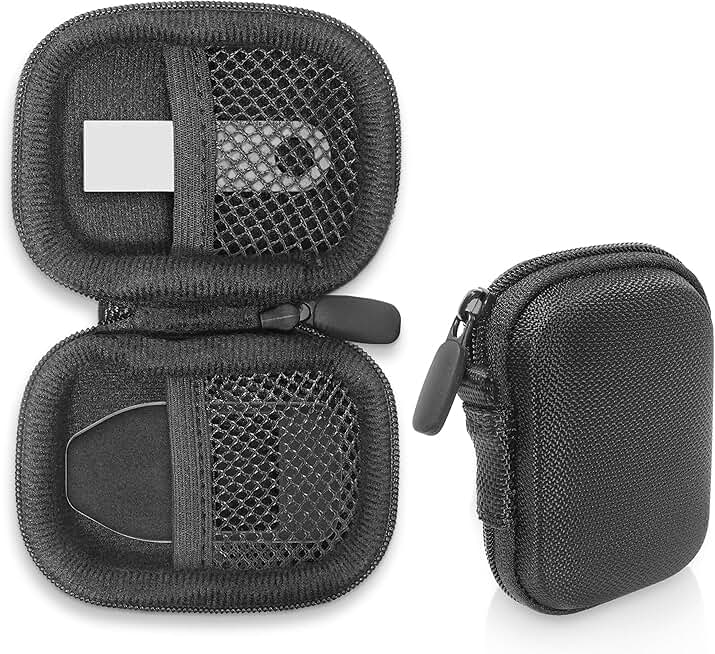
Buying Bitcoin is only the first step. Storing it securely on an exchange carries counterparty risk. For significant holdings, transferring assets to a hardware wallet is the industry standard for self-custody. The following devices are widely regarded as the most secure options for protecting Bitcoin against digital theft.

As an Amazon Associate, we may earn from qualifying purchases.
Checklist for Your First Bitcoin Purchase
Before executing a trade, verify these steps to ensure a secure transaction:
Secure your crypto purchase
Buying Bitcoin is only the first half of the transaction. The second half—moving those assets out of an exchange wallet and into your own custody—is where most investors lose their capital. Exchanges are targets for hackers and, as history shows, can face insolvency or regulatory freeze. If you are holding a significant amount, treating an exchange like a bank account is a dangerous mistake.
1. Enable strong authentication immediately
Before you move a single dollar, lock down the accounts you just created. Two-factor authentication (2FA) is the bare minimum. Do not rely on SMS-based codes, which are vulnerable to SIM-swapping attacks. Instead, use an authenticator app like Google Authenticator or Authy, or a hardware security key like YubiKey.
For platforms like Kraken and Coinbase, enable anti-phishing codes and withdrawal allowlists. These features ensure that even if your password is compromised, an attacker cannot easily move funds or change withdrawal addresses without your physical approval. This step adds friction to bad actors, buying you time to react.
2. Move funds to a hardware wallet
For any Bitcoin you do not plan to spend within the next few days, transfer it to a self-custody hardware wallet. Devices like Ledger or Tangem keep your private keys offline, making them immune to remote hacking. Think of the exchange as a digital checking account and the hardware wallet as a fireproof safe. You only keep what you need for daily spending on the exchange.
When setting up a Ledger or similar device, always generate a new seed phrase on the device itself. Never type your 24-word recovery phrase into a computer, phone, or cloud service. Write it down on paper or etch it into steel. If you lose this phrase, your Bitcoin is gone forever. If someone else finds it, your Bitcoin is stolen.
Unbox your device and initialize it using the built-in screen. Write down the recovery phrase on the provided card, store it in a secure location, and verify the words match the device's display. This seed phrase is your only backup.
Download the official application for your device (e.g., Ledger Live) from the vendor's website only. Connect your hardware wallet via USB. Verify the device fingerprint on your computer screen to ensure you are not interacting with a malicious clone.
On your exchange (Coinbase or Kraken), generate a receive address for Bitcoin. Send a small test transaction first to confirm the address works. Once confirmed, send the remainder of your Bitcoin to this address. Keep the rest on the exchange only if you are actively trading.
3. Verify your security posture
After moving your funds, take a moment to audit your digital footprint. Check that your email accounts associated with your exchanges have unique, strong passwords and 2FA enabled. Many breaches start with a simple password leak in a different service, not a direct attack on the crypto exchange.


As an Amazon Associate, we may earn from qualifying purchases.
Security is not a one-time setup; it is a habit. Regularly review your active sessions on exchange accounts and keep your hardware wallet firmware updated. By keeping your Bitcoin off exchanges and your accounts locked down, you ensure that your investment remains yours, no matter what happens to the platforms you use to buy it.
What coins to buy in 2026
Navigating the crypto market requires distinguishing between foundational assets and speculative plays. For most investors, the priority remains securing exposure to the two largest assets by market capitalization: Bitcoin and Ethereum. These two coins function as the market's primary entry points, offering the deepest liquidity and the most established regulatory footing among all digital assets.
Bitcoin continues to serve as the dominant store of value. Its price movements often dictate the broader market direction, making it the standard benchmark for institutional and retail capital allocation. Ethereum, meanwhile, underpins the vast majority of decentralized applications and smart contracts, providing a different but equally critical utility layer to the ecosystem.
While other assets like XRP, Solana, and stablecoins such as USDC and USDT appear frequently in top-10 lists, they carry higher volatility or specific regulatory nuances. Beginners should start by checking current prices for Bitcoin and Ethereum on regulated platforms like Coinbase or Kraken before considering smaller-cap alternatives.
No comments yet. Be the first to share your thoughts!