
Is Bitcoin stable in 2026?
Bitcoin is not "stable" in the traditional sense of low volatility, but it is maturing into a more resilient asset class. In 2026, the market is defined by a tension between institutional adoption and persistent price swings. While short-term fluctuations remain significant, the underlying structure has shifted from speculative frenzy to a more calculated, ETF-driven ecosystem.
The introduction of spot Bitcoin ETFs has changed the flow of capital. Institutional investors now hold a substantial portion of the supply, which dampens the extreme, retail-driven panic selling seen in previous cycles. However, this does not eliminate volatility. As noted by Kraken, Bitcoin's 30-day realized volatility has hovered in the 20–30% range, levels that are lower than early crypto years but still high compared to traditional equities or bonds.
This environment suggests a bifurcated reality. For long-term holders, the asset is stabilizing as a store of value, with ETF flows providing a steady bid. For traders, the market remains volatile, driven by macroeconomic shifts and regulatory developments. The key is recognizing that "stability" in 2026 means reduced tail risk and deeper liquidity, not the absence of price movement.
The February 2026 Correction
Bitcoin’s price action in early 2026 tested the resilience of post-ETF market structure. After peaking earlier in the year, the asset entered a sharp drawdown, ultimately falling 47.5% from its highs. This decline brought the cryptocurrency into territory that, while painful for recent holders, remains within the bounds of historical volatility.
VanEck’s analysis of the selloff notes that while the current -47.5% peak-to-trough drop is significant, it is far from the worst in Bitcoin’s history. For comparison, previous cycles have seen drawdowns exceeding 80%. The February correction, therefore, represents a standard—albeit aggressive—reset rather than a structural failure of the asset class.
The correction was driven by a confluence of macroeconomic pressures and profit-taking after the prior year’s rally. Institutional investors, now deeply embedded in the market through ETFs, reacted to shifting interest rate expectations and geopolitical uncertainty. This behavior highlights a maturing market: volatility is no longer just a retail phenomenon but a reflection of large-scale capital reallocation.
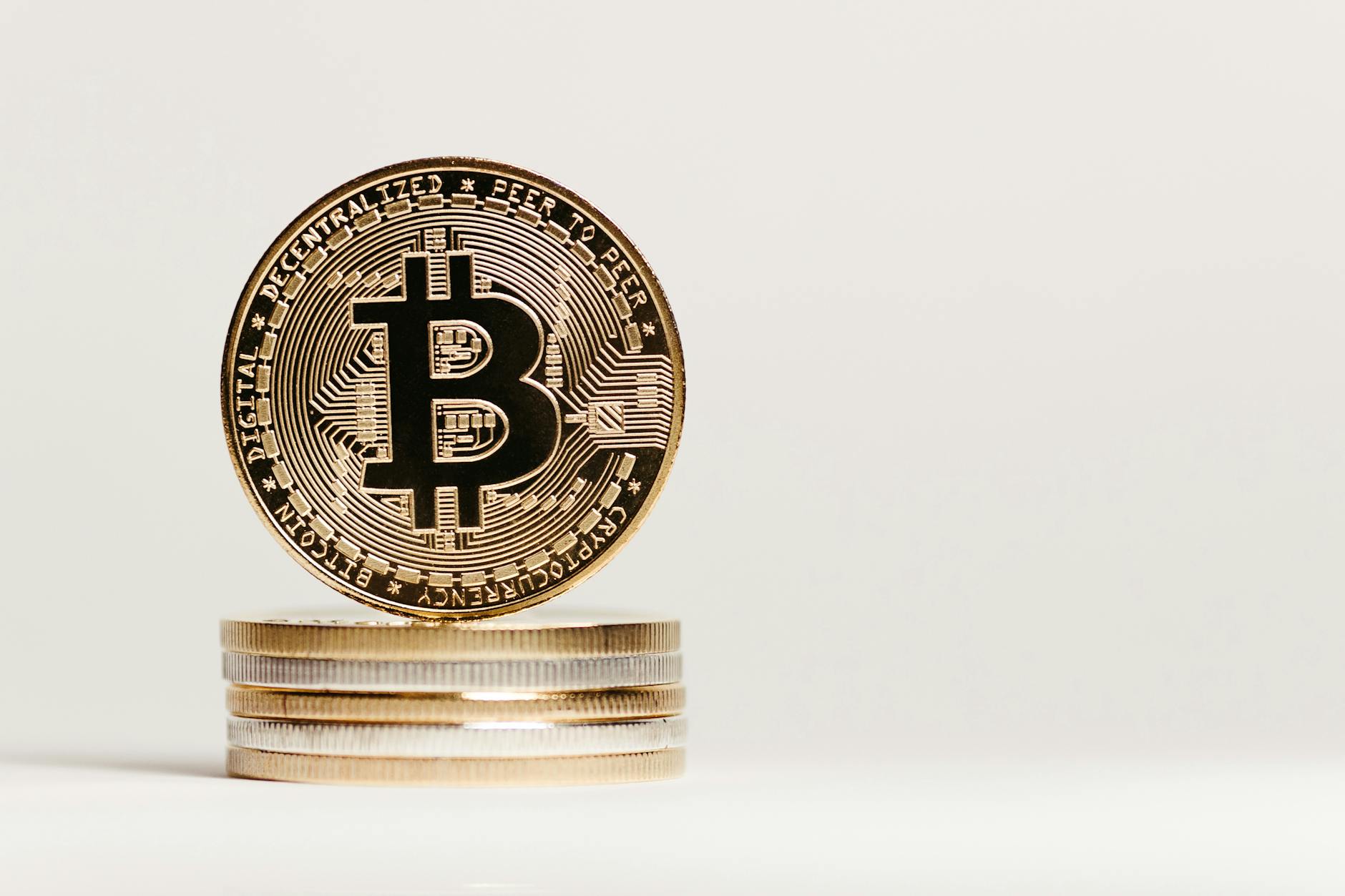
Despite the steep decline, the underlying demand for bitcoin stability 2026 remains anchored by institutional adoption. The ETF flows that drove the previous bull run are now acting as a stabilizer, absorbing volatility rather than amplifying it. While the February selloff was severe, it underscores that Bitcoin is transitioning from a speculative asset to a volatile, yet resilient, component of the broader financial landscape.
Institutional adoption and ETF flows
The introduction of spot Bitcoin ETFs has fundamentally altered the market structure, shifting the primary driver of price action from retail speculation to institutional capital allocation. This transition is central to the narrative of bitcoin stability 2026, as large-scale asset managers now hold significant portions of the available supply. The result is a market that reacts less to social media sentiment and more to macroeconomic indicators and regulatory clarity.
Bipartisan support for digital asset regulation, particularly through legislation like H.R. 3633, has reduced the regulatory overhang that previously discouraged institutional participation. By providing a clear framework for oversight by the SEC and CFTC, these signals have encouraged pension funds and endowments to allocate capital to Bitcoin ETFs with greater confidence. This structural shift has dampened the extreme volatility that characterized earlier crypto cycles.
The contrast between pre-ETF and post-ETF market dynamics is stark. Liquidity is now deeper, and price discovery is more efficient, leading to fewer erratic swings. The table below outlines how these structural changes have reshaped the market environment.
| Metric | Pre-ETF Era | Post-ETF Era |
|---|---|---|
| Primary Drivers | Retail speculation, leverage | Institutional allocation, macro factors |
| Volatility | High, erratic swings | Moderated, smoother trends |
| Liquidity | Fragmented across exchanges | Deep, consolidated via custodians |
| Regulatory Clarity | Uncertain, enforcement-driven | Structured, bipartisan frameworks |
Bitcoin vs. gold as a 2026 safe haven
The debate over bitcoin stability 2026 often centers on how it compares to gold, the traditional bedrock of portfolio defense. In the current macro environment, both assets serve as hedges against fiat debasement, but they do so through different mechanisms. Gold offers historical continuity and low volatility, while Bitcoin provides digital scarcity and high liquidity across global markets. Understanding these distinctions helps investors decide which asset—or combination of assets—fits their risk tolerance.
Price Action and Volatility
Gold’s stability is its primary appeal. It moves slowly, often tracking real interest rates and geopolitical tension. Bitcoin, by contrast, is a high-beta asset. Its price can swing double digits in a single week, making it less suitable for capital preservation in the short term. However, over longer horizons, Bitcoin’s return profile has significantly outpaced gold, compensating for its volatility with higher potential upside.
Liquidity and Accessibility
Bitcoin trades 24/7/365, offering instant liquidity regardless of market hours. Gold requires physical settlement or futures contracts, which can involve spreads, storage costs, and banking delays. For institutional investors, Bitcoin’s integration into ETFs has streamlined access, allowing for seamless trading alongside traditional equities. This accessibility makes Bitcoin a more flexible tool for tactical adjustments during market stress.
Comparison: Bitcoin vs. Gold
The table below highlights the core differences between the two assets as they stand in 2026.
| Feature | Bitcoin | Gold |
|---|---|---|
| Volatility | High | Low |
| Trading Hours | 24/7 | Market Hours |
| Storage | Digital Wallet | Physical/Bullion |
| Inflation Hedge | Long-term scarcity | Historical precedent |
| Institutional Access | ETFs, Custody | ETPs, Physical |
Market Sentiment
Recent data suggests that while gold remains the preferred hedge for conservative portfolios, Bitcoin is increasingly viewed as "digital gold" by younger, tech-savvy investors. The maturity of Bitcoin’s infrastructure, including robust custody solutions and regulatory clarity, has reduced some of the perceived risks. As institutional adoption grows, Bitcoin’s correlation with traditional risk assets has fluctuated, sometimes acting as a safe haven during banking crises.
Final Verdict
Neither asset is a perfect safe haven. Gold provides stability and peace of mind for those who prioritize capital preservation. Bitcoin offers growth potential and modern liquidity for those willing to endure volatility. A balanced approach often involves holding both, using gold as a anchor and Bitcoin as a satellite for long-term appreciation.
Buying crypto today in 2026
Entering the market in 2026 requires a different playbook than the speculative cycles of previous years. With the maturation of spot Bitcoin ETFs and stricter regulatory oversight, the path for retail investors has shifted toward regulated products and disciplined due diligence. Understanding bitcoin stability 2026 is no longer about predicting short-term price spikes, but about evaluating long-term structural shifts in institutional adoption.
1. Evaluate Your Risk Tolerance and Allocation
Before purchasing, determine how much volatility your portfolio can absorb. Even with ETFs providing easier access, Bitcoin remains a high-beta asset. Grayscale’s 2026 Digital Asset Outlook suggests that while price appreciation is expected, market dynamics are increasingly influenced by institutional flows rather than retail FOMO.
- Core Allocation: Most financial advisors suggest limiting crypto exposure to 1-5% of a diversified portfolio.
- Volatility Check: Bitcoin’s 30-day realized volatility has hovered in the 20–30% range, levels that can still trigger significant drawdowns.
2. Choose Between ETFs and Direct Ownership
The most critical decision is how you hold the asset. Spot Bitcoin ETFs offer convenience and tax-efficiency for most investors, while direct ownership provides custody control.
| Feature | Spot Bitcoin ETF | Direct Ownership (Wallet) |
|---|---|---|
| Custody | Managed by financial institution | Self-custodied (Hardware/Software) |
| Tax Reporting | Automatic (Form 1099) | Self-reported (Complex) |
| Security Risk | Institutional breach risk | User error / Phishing risk |
| Cost | Expense ratio (0.20% - 0.65%) | Network fees + Hardware cost |
For most retail investors, the ETF route is the pragmatic choice. It removes the technical barrier of managing private keys and integrates seamlessly with existing brokerage accounts. However, if you prioritize sovereignty and plan to hold long-term, direct ownership via a hardware wallet is the standard.
3. Secure Your Assets
If you choose direct ownership, security is non-negotiable. The infrastructure for securing digital assets has matured, but the threat landscape remains active. Using a reputable hardware wallet is the baseline requirement for long-term holders.


As an Amazon Associate, we may earn from qualifying purchases.
Avoid storing significant amounts on exchanges or software wallets connected to the internet. The cost of a hardware wallet is negligible compared to the risk of losing assets to a hack or platform insolvency.
4. Execute with Dollar-Cost Averaging
Timing the market is rarely successful, even for institutions. Dollar-cost averaging (DCA) mitigates the impact of volatility by spreading purchases over time. This strategy aligns with the "buy and hold" mentality that has historically rewarded patient investors in the Bitcoin ecosystem.
- Set a Schedule: Weekly or monthly purchases.
- Ignore Noise: Avoid reacting to short-term price swings or news headlines.
- Rebalance: Periodically review your allocation to ensure it matches your risk tolerance.
5. Monitor Regulatory Developments
The regulatory environment is still evolving. Keep an eye on SEC decisions, tax law changes, and international regulations that could impact liquidity and accessibility. Following official sources like the SEC or reputable industry analysts ensures you are acting on facts, not rumors.
The landscape of bitcoin stability 2026 is defined by integration, not isolation. By choosing regulated products, securing your assets properly, and maintaining a long-term perspective, you can participate in this market with confidence and clarity.
No comments yet. Be the first to share your thoughts!